

What to Look for When Selecting an Interior Designer for Your Home
Choosing an interior designer is not like picking a paint color. You can repaint a wall. You cannot as easily undo six months of working with someone who never really listened to you, overran your budget, or filled your home with materials that looked good in a showroom and felt wrong the moment you lived in them.
I have been doing this work for a long time, and the question I hear most from homeowners before they start a project is some version of: "How do I know I'm choosing the right person?" That is a really smart question to be asking, and I want to give you a genuinely useful answer.
Here is what I look for, what I think you should look for, and the questions that will help you tell the difference between a designer who is good at Instagram and a designer who is good at their job.
Start with the portfolio, but look past the pretty pictures
Every designer has a portfolio. The real question is whether that portfolio tells you anything useful.
Look for range. Look for projects that look like your home, your scale, your lifestyle. If every project in their portfolio is a 6,000-square-foot new construction and yours is a 1,900-square-foot craftsman bungalow you have lived in for twelve years, that is worth paying attention to. It does not mean they cannot help you, but it is a fair question to ask.
Also look for before-and-after documentation. Any designer worth hiring should be able to show you where a space started and where it ended up. That story tells you more than a single styled photograph ever will.
And if you care about sustainable design, non-toxic materials, or indoor air quality, look specifically for evidence of that in their work. It should not be something they mention once on their About page. It should show up in the actual projects.
Check out more of Go Green Fine Interiors Portfolio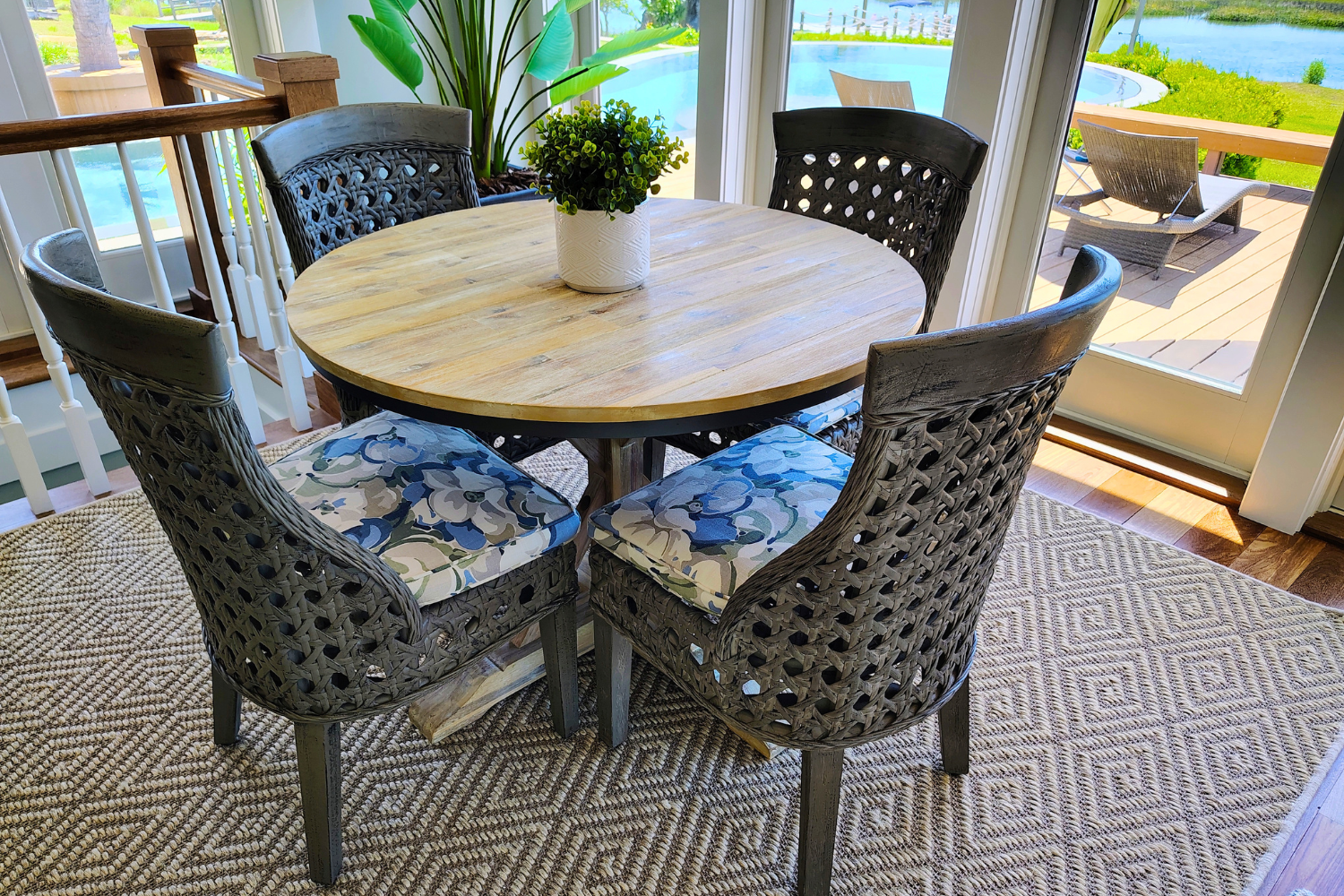
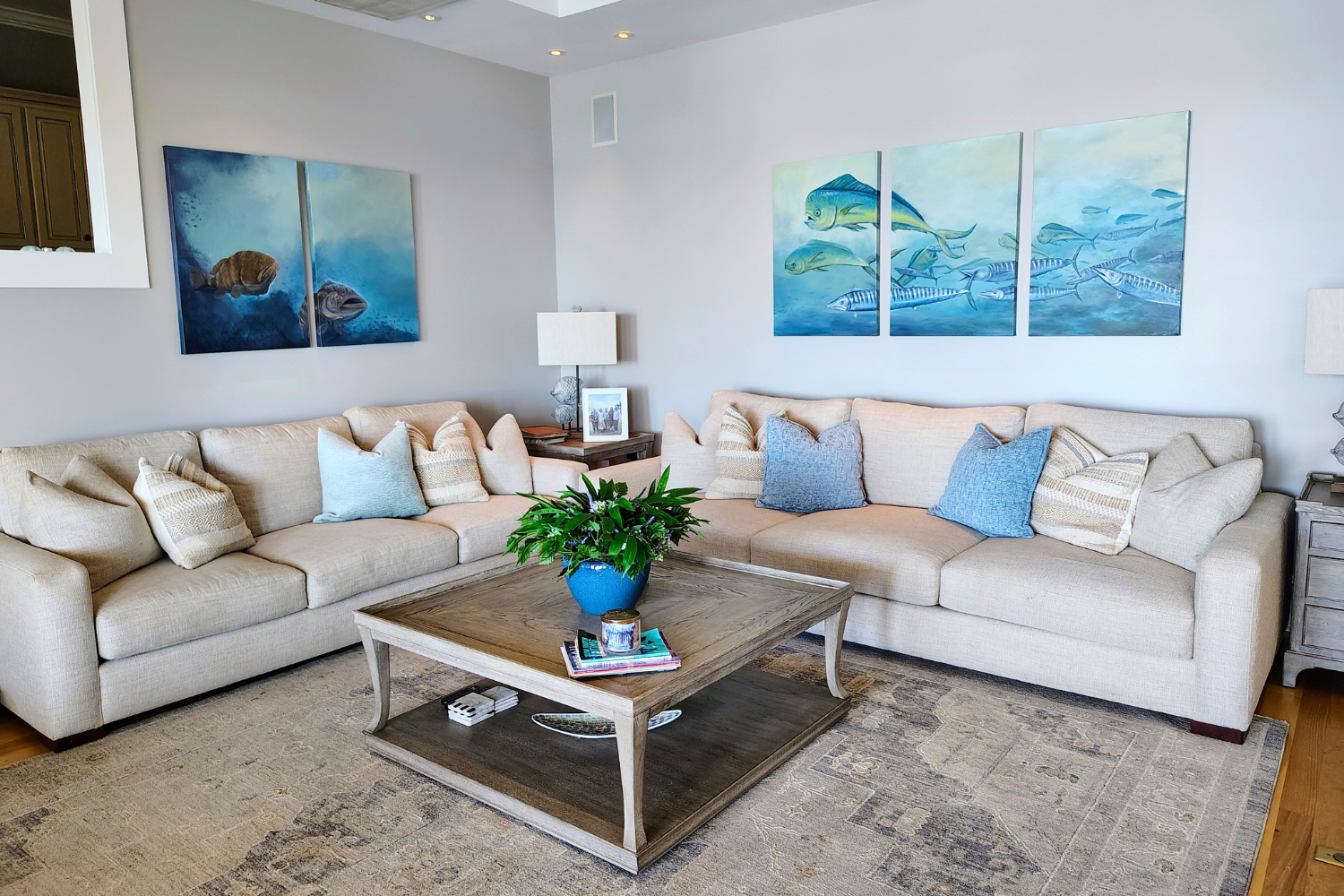
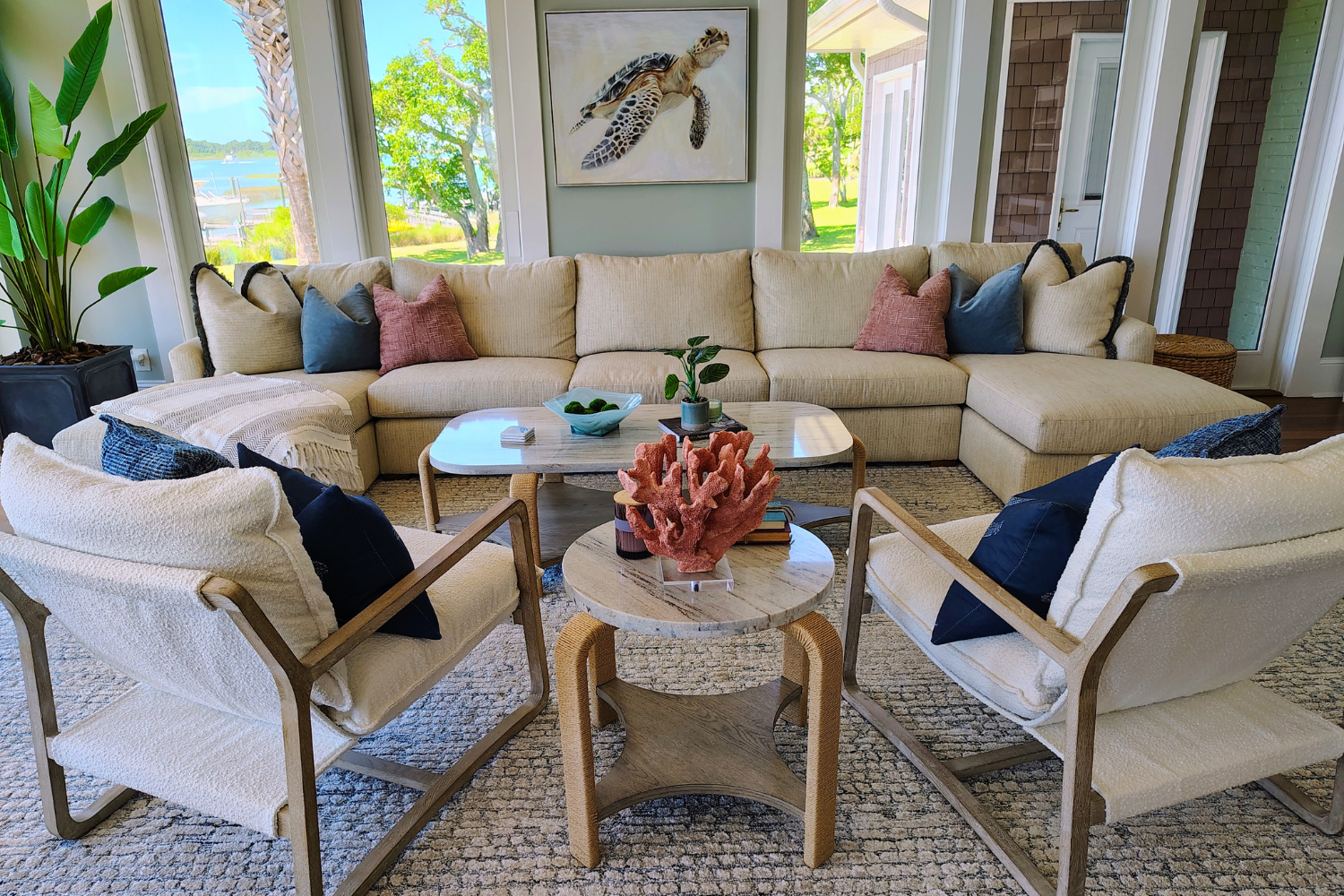
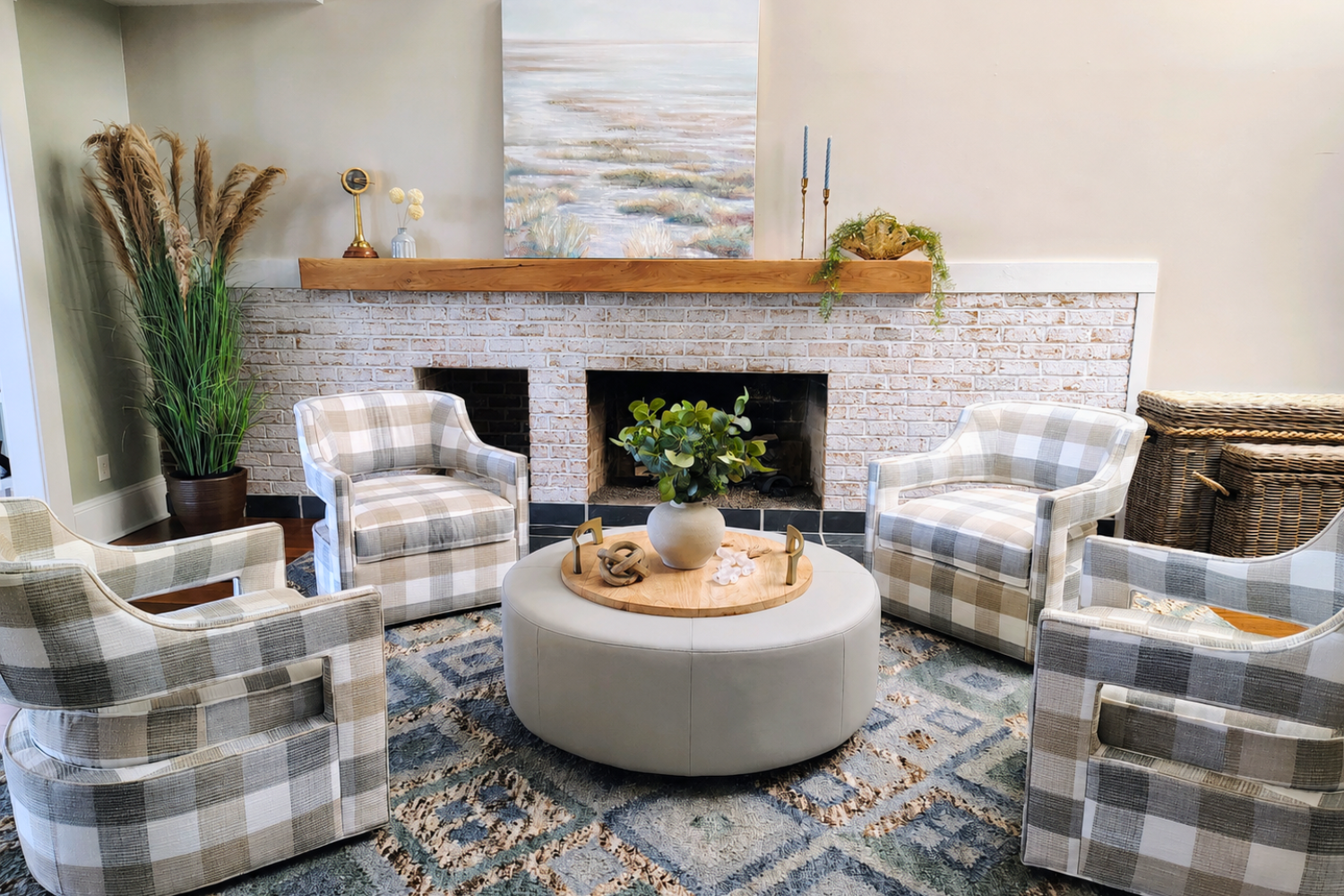

Credentials are not just letters after a name
I know credentials can feel like alphabet soup. But for a residential project, they actually matter.
A few worth knowing:
The NCIDQ (National Council for Interior Design Qualification) is the industry standard for professional competency. It covers space planning, building codes, safety, and more. It means the designer has been formally tested, not just self-declared.
The NKBA (National Kitchen and Bath Association) credential is relevant if your project involves kitchen or bath renovation. It signals real specialization in those spaces.
For sustainable and wellness-focused design, look for the SFC (Sustainable Furnishings Council) membership or credentials, LEED accreditation, or a Certified Sustainable Interior Design designation. These are not decorative. They mean the designer has put in the work to understand eco-friendly materials, indoor environmental quality, and the real health impact of what goes inside your home.
I hold credentials from the NKBA and the Sustainable Furnishings Council, and I am a Certified Sustainable Interior Designer and Professional Home Stager and Redesigner. I tell you that not to impress you, but because I know what it took to earn them, and I think you deserve to work with someone who has done the same.
Learn More about Judy Cossette
Ask about their process, not just their style
A designer's aesthetic is the easy part. Their process is what you are actually hiring.
Ask them:
How do you handle communication throughout a project?
Who is my main point of contact?
What does your design process look like from discovery call to final installation?
How do you handle decisions when something goes wrong, because something always does at some point?
The answers will tell you whether this is someone organized, accountable, and clear, or whether you are going to spend the next several months chasing emails and wondering what is happening.
Also ask:
Do you offer virtual design services? This matters more than people realize. A well-structured virtual design process means you are not limited to whoever happens to live nearby.
At Go Green Fine Interiors, I work with homeowners across the country through a fully guided virtual design process, and the results are just as intentional and personal as anything done on-site. Location does not have to limit your options anymore.
Get to know Go Green Fine Interiors Virtual Wellness Design Services
Be honest about your budget upfront
This is the conversation nobody wants to have first, and it is the one that matters most.
A good designer will not run from a real budget conversation. They will help you understand what is achievable, where to invest, and where you can be smart about costs without compromising the result. If a designer is vague about fees, unclear about how they charge, or seems uncomfortable talking about money, that is a red flag.
Design fees can be structured a few different ways: flat project fees, hourly rates, or a percentage of the total project cost. None of those is inherently wrong. What matters is that it is clear from the beginning, in writing.
The goal is a space that fits your life and your means. A designer who helps you get there honestly is worth far more than one who overpromises and underdelivers.
Talk about materials, health, and what goes into your home
This is where I will admit my bias, and I think it is a good one.
More homeowners than ever are asking about non-toxic materials, low-VOC finishes, and indoor air quality. They are thinking about what their children breathe, what their pets sleep on, what they spend eight hours a night surrounded by. And I think that is exactly the right instinct.
If you care about those things, ask your prospective designer directly:
What is your approach to material health?
How do you think about indoor air quality in the spaces you design?
What certifications or standards do you reference when sourcing furnishings and finishes?
If they look at you blankly, you have your answer.
Sustainable interior design is not about sacrificing beauty or spending more. It is about making choices you will not regret five years from now, and working with someone who takes that seriously from the start.
Trust matters. So does chemistry.
This one is harder to quantify, but do not skip it.
You are going to be working closely with this person. They are going to see your home in its before state, ask you personal questions about how you live, and make judgment calls on your behalf. You need to like them and trust them.
If something feels off in the consultation, pay attention to that. A designer who talks over you, dismisses your ideas, or makes you feel like your instincts are wrong is not the right fit, no matter how beautiful their portfolio is.
The right designer listens first. They ask questions before they start answering them. They make you feel like your home, your life, and your values are at the center of the work. Because they should be.
One last thing
If you are not sure where to start, start with a discovery call. At Go Green Fine Interiors, that first conversation is low-pressure and genuinely useful, whether we end up working together or not. My job in that call is to understand your space, your goals, and what kind of support would actually serve you.
You deserve a home that feels right to live in, not just right to photograph. And you deserve a designer who is as invested in that outcome as you are.
