

Harnessing Solar Power for Healthier Interiors: What Green Design Actually Looks Like
Solar power and indoor air quality don't sound like they belong in the same conversation. But if you've been following where sustainable interior design is headed, you already know these two ideas are deeply connected. Most people think of solar as a rooftop story. As a Certified Sustainable Interior Designer, I see it differently. The real opportunity is inside the home, in the fixtures, the lighting, the materials, and the systems that shape how healthy your space actually feels every day.
Why Solar Energy Belongs Inside Your Home
Renewable energy's role in interior design has shifted considerably. We're not just talking about panels on a roof that lower your utility bill. We're talking about solar-integrated furnishings, smart lighting systems powered by sunlight, and transparent solar technology embedded into windows and walls. These are real products available right now, and they're changing what a healthy, energy-efficient home can look like.
The global solar market is projected to surpass $250 billion by 2028. That growth is being driven in part by demand for interior applications, including solar-powered fixtures, occupancy-sensing lighting, and integrated battery systems that give homeowners genuine control over their energy use.
Here in North Carolina, the state ranks fourth nationally in installed solar capacity. The average cost of residential solar is around $2.63 per watt, which makes it one of the more accessible markets in the country for homeowners ready to make a long-term investment in their space.
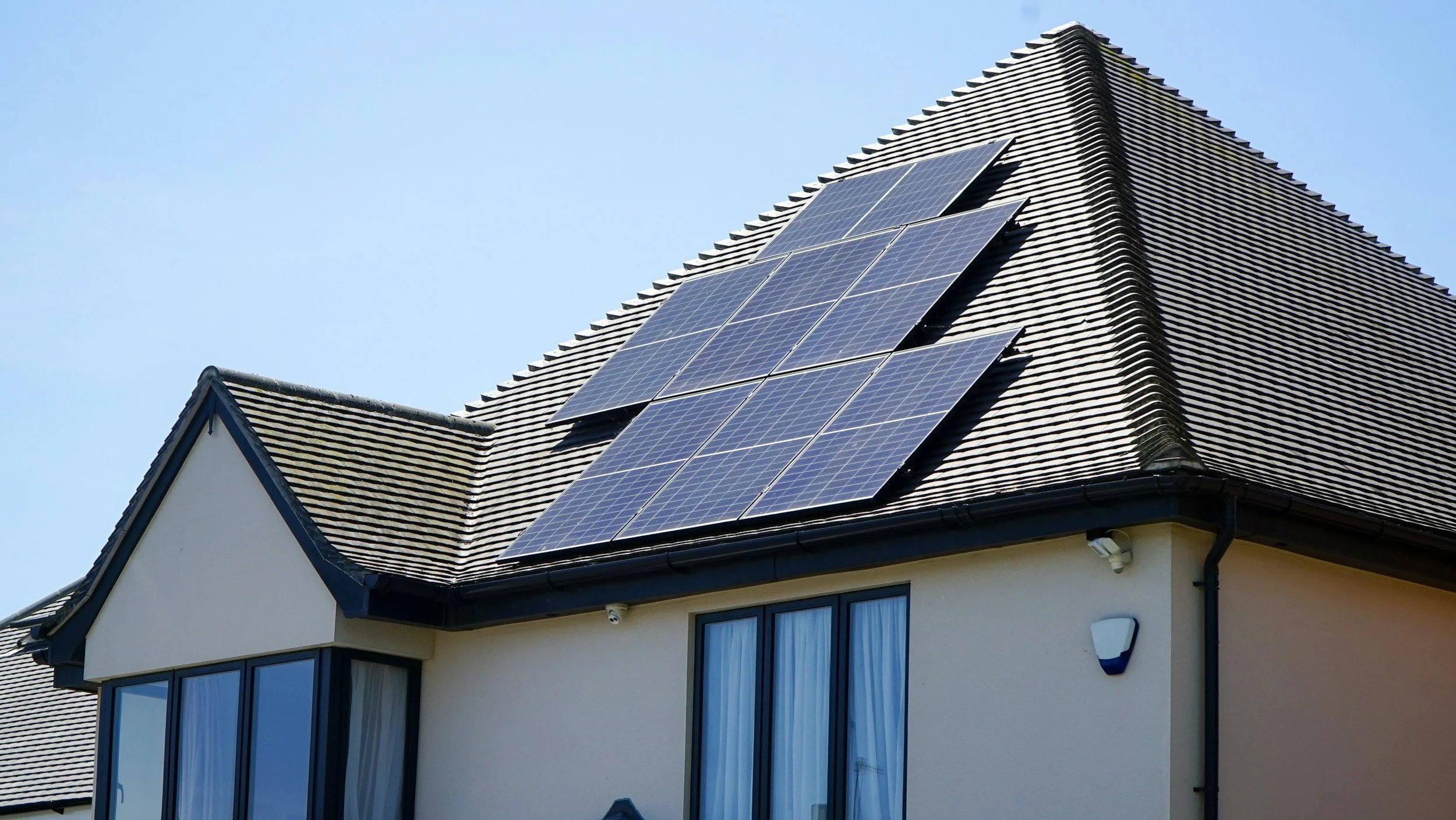
The Technology: More Accessible Than You Think
Understanding the basics helps. Solar panels work by converting sunlight into electricity through photovoltaic (PV) cells, typically made from silicon. This process, called the photovoltaic effect, has been around since 1839 when French physicist Edmond Becquerel first documented it. The technology has had a long time to mature.
The three main panel types are:
Monocrystalline (highest efficiency, longest lifespan)
Polycrystalline (moderate efficiency, lower cost), and
Thin-film (best for unconventional surfaces).
For interior applications, thin-film and emerging organic solar modules are where things get genuinely interesting for design.
What's worth paying attention to for interior purposes:
Organic solar modules that can be integrated into furniture and architectural finishes without disrupting the look of a space;
Transparent luminescent solar concentrators (LSCs) that harvest solar energy from glass surfaces, including windows, walls, and floors; and
Solar-powered smart lighting systems that adjust automatically based on natural light levels and room occupancy.
These aren't concepts. They're available, and they're being specified by designers right now.
The Health Case for Solar-Integrated Interiors
This is where I spend most of my time as a wellness-focused designer. The connection between energy source and indoor air quality is direct and measurable.
Homes that rely heavily on conventional energy sources are more exposed to indoor pollutants tied to combustion byproducts and older electrical systems. Solar-powered systems reduce or eliminate many of those sources. Electric fireplaces and induction cooktops powered by clean energy remove the wood smoke and gas combustion that degrade indoor air quality. Solar-powered UV light systems can inactivate airborne bacteria and viruses without introducing chemicals into the space.
The EPA estimates that improving air quality by reducing fossil fuel emissions could prevent tens of thousands of premature deaths annually in the U.S. What happens outside the home is connected to what happens inside it.
Beyond air quality, solar systems generate minimal electromagnetic fields compared to conventional grid systems. They require very little water to operate. And when they're part of a thoughtfully designed home, they contribute to the kind of thermal and acoustic comfort that shapes daily wellness in ways that go far beyond what energy metrics alone can capture.
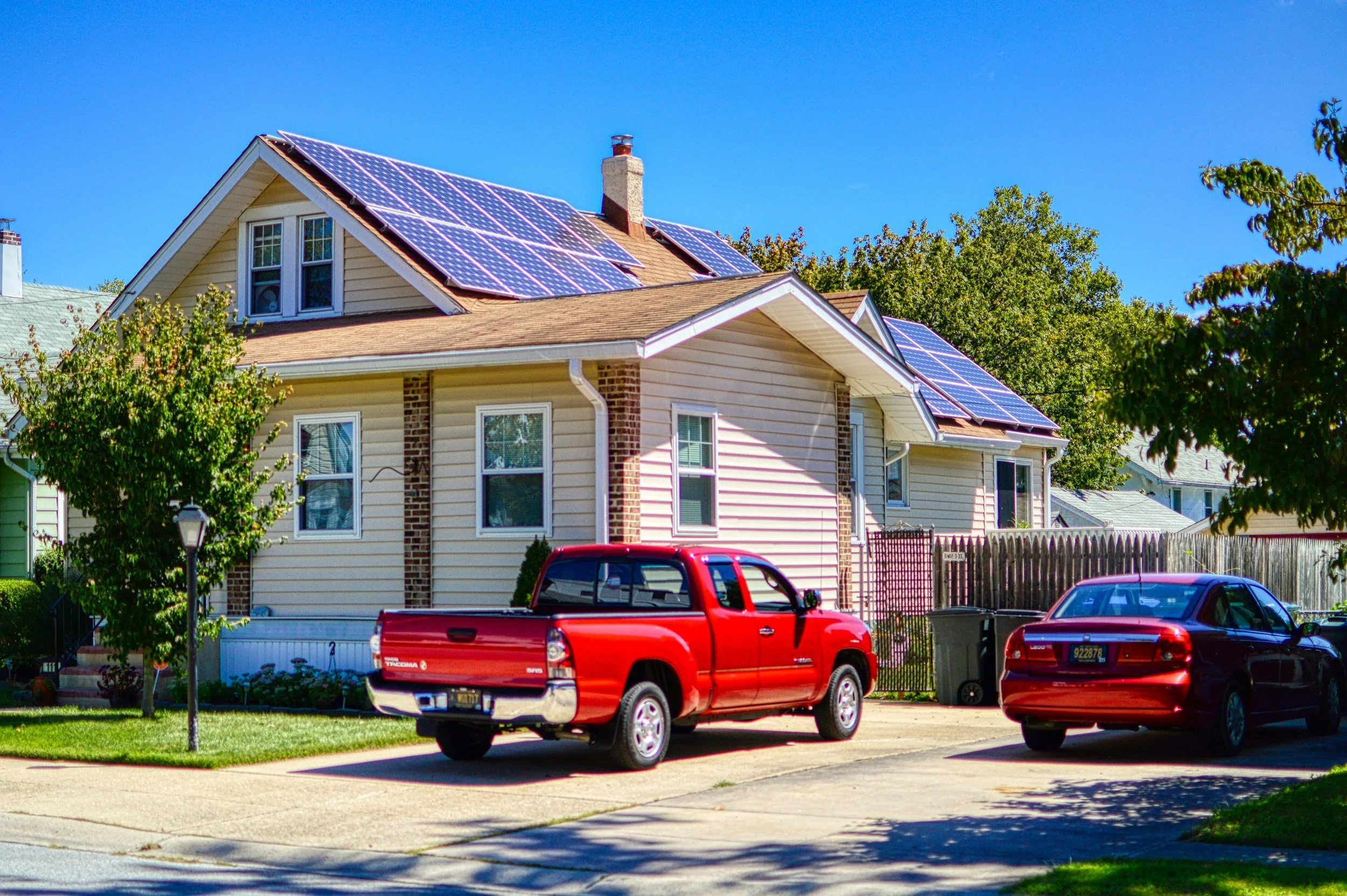
Solar-Powered Design and the Way We Live Now
Post-pandemic life reshaped how people use their homes. Multifunctional spaces are the standard now: home offices that double as guest rooms, kitchens that serve as gathering spaces, living areas that need to shift with the time of day. Solar-integrated lighting and smart energy systems are particularly well suited to these layered uses.
At the same time, sustainable materials and timeless design are gaining ground. Reclaimed furniture, low-VOC finishes, bringing nature back into your space, and interiors built around durability rather than trend cycles all align naturally with a solar-powered approach. These aren't separate conversations. They're part of the same intention: to create a space that performs well for your health and holds its value over time.
Solar panels themselves are highly recyclable, composed primarily of glass (76%), plastic (10%), and aluminum (8%). Panel batteries typically carry 10-year warranties, and many installation companies now offer extended panel warranties up to 25 years.
This Is the Direction Healthy Home Design Is Moving
What I keep coming back to is this: sustainable interior design is not about sacrifice. It's not about choosing the "green" option that looks worse or costs more and delivers less. The best version of this work creates spaces that are beautiful, healthy, functional, and honest about what they're made of and how they perform.
Solar power is one of the clearest examples of that. When it's thoughtfully integrated into a home, it reduces pollutants, lowers long-term costs, supports indoor air quality, and gives you more control over your environment. That's what wellness design actually looks like when it's done well.
If you're thinking about what this could mean for your home, I'd love to talk through it.
