

The fastest way to waste money on a sale is to buy a piece of furniture that never worked in your room.
Black Friday furniture deals can be tempting. A beautiful sofa is suddenly 40% off, a dining table you've been watching is marked down, or that accent chair you've saved on Pinterest finally seems affordable.

But before you add anything to your cart, I want you to consider something: Will this piece actually make your home better?
A discounted price doesn't necessarily mean you're getting good value. Furniture needs to fit your space, complement your existing design, withstand everyday use, and support the way you live.
And if you're trying to create a healthier, more sustainable home, there's another consideration: the materials and finishes you're bringing into your living environment.
Whether you're preparing your home for Thanksgiving guests, refreshing your living room for the holidays, or simply looking for a good furniture investment, a little planning can save you from expensive mistakes.
Here are eight things I recommend checking before taking advantage of Black Friday furniture sales.
1. Start With Measurements, Not Shopping
One of the easiest ways to regret a furniture purchase is discovering that it doesn't fit your room the way you imagined.
Online photographs can be misleading. A sofa might look perfectly proportioned in a spacious showroom but overwhelm a smaller living room.
Before purchasing, measure:
The furniture's width, depth, and height.
The available floor space in your room.
Walking paths between furniture pieces.
Clearance around doors, windows, and cabinets.
Space needed for reclining sections, drawers, and other moving parts.
Think about how people will move through the room, too.
For example, if you're updating your living room before Thanksgiving, you want guests to feel comfortable moving between the seating area and dining space. Adding another chair or a larger sectional might seem like a good idea, but not if it makes the room difficult to navigate.
My advice: Measure your room and map out the furniture placement before you shop. A thoughtful layout is always better than an impulse purchase.

2. Make Sure It Can Actually Get Into Your Home
Here's a detail that deserves more attention: delivery access.
Your new sofa might fit perfectly in your living room, but can it make it through the front door?
Check the measurements of your entryways, hallways, staircases, elevators, and any tight corners. Ask the retailer whether the furniture arrives assembled or requires assembly.
Also, confirm the delivery arrangements and any additional fees before completing your purchase.
It may not be the most exciting part of furniture shopping, but it can save you a considerable headache.
3. Look Beyond Appearance and Check Construction Quality
Beautiful upholstery and an attractive finish don't necessarily tell you how well a piece of furniture is made.
If you're investing in a sofa, dining table, bed, or other frequently used furniture, pay attention to its construction.
For upholstered furniture, ask about:
Frame materials and structural support.
Cushion filling and density.
Suspension systems.
Upholstery composition and durability.
Available care and maintenance instructions.
For wooden furniture, look into the type of wood, joinery, finish, and overall stability.
If possible, visit a showroom. Sit on the sofa, open the drawers, inspect the joints, and pay attention to how the furniture feels.
Don't hesitate to ask the salesperson questions.
A lower price can be appealing, but replacing poorly constructed furniture sooner than expected may cost you more over time.

4. Understand the Materials and What's Inside Your Furniture
This is particularly important to me because I believe interior design should consider more than aesthetics.
Our homes are where we rest, spend time with family, entertain, and recharge. The furnishings and finishes we select are part of that environment.
When shopping for furniture, look beyond labels such as "eco-friendly," "natural," or "sustainable." Ask for specific product information.
Consider checking:
Fabric composition and fiber content.
Foam and cushion materials.
Available information about chemical treatments and finishes.
Adhesives and composite wood components.
Available emissions testing and material certifications.
For wooden furniture, ask whether the product uses solid wood, engineered wood, reclaimed materials, or responsibly sourced wood.
Remember, natural doesn't automatically mean safer in every application, and synthetic doesn't automatically mean harmful. What matters is understanding the materials, their intended use, and the information available to help you make an informed decision.
If creating a healthier home is important to you, don't overlook these details simply because a furniture piece is on sale.
5. Read the Warranty and Return Policy Carefully
Before purchasing, understand what happens if the furniture arrives damaged, has a defect, or simply doesn't meet your expectations.
Check:
Warranty length and coverage.
Exclusions and limitations.
Return deadlines.
Restocking fees.
Return shipping responsibilities.
Special conditions for clearance or sale items.
Don't assume every Black Friday purchase has the same return privileges as regular-priced merchandise.
Get the details before paying, preferably in writing.
A good furniture purchase should come with reasonable expectations about product support and what happens if something goes wrong.

6. Calculate the Total Cost, Not Just the Discount
A 40% discount sounds wonderful, but the advertised price isn't always the amount you'll actually spend.
Let's say you find a sofa originally priced at $2,000.
At 40% off, the sale price becomes $1,200.
But then you add:
Delivery: $150
Assembly: $100
Your actual cost is now $1,450 before applicable taxes.
That's still a saving, but it's important to understand the complete investment.
Also, compare similar furniture pieces rather than comparing discounts alone.
A sofa with better construction, suitable upholstery, and a more comprehensive warranty may offer better long-term value than a less expensive alternative.
The lowest price and the best value are not always the same thing.
7. Choose Furniture That Works With Your Lifestyle
Before buying something new, think about how you actually use your home.
Do you have children or pets? Do you entertain frequently? Is your dining table used every day, or mainly for special occasions?
Your answers should influence your furniture choices.
For example:
For busy households, consider durable upholstery that's easier to clean.
For homes with pets, look for fabrics that are easier to maintain and less prone to snagging.
For frequently used dining tables, consider finishes that can handle everyday wear.
For vacation rentals, prioritize durable furnishings that can withstand frequent guest use.
Also consider how much maintenance a piece requires and whether replacement parts or repair services are available.
A well-chosen piece that can be maintained and enjoyed for years may be a better investment than something inexpensive that needs replacing much sooner.

8. Ask Yourself Whether You Really Need It
This is perhaps the most important question.
Before making a purchase, step back and look at your entire room.
Does the furniture complement what you already own? Does it improve the layout? Does it reflect your personal style? Will it still feel right after the holiday season?
And be honest with yourself: Are you buying it because your home needs it, or because the discount makes it difficult to resist?
You don't need to replace everything to create a beautiful home.
Sometimes, keeping a well-made sofa, updating the lighting, adding a comfortable accent chair, or rearranging your existing furniture can make a room feel completely different.
If you're preparing for holiday guests, consider smaller, intentional changes first. Better lighting, comfortable seating, a welcoming entryway, and a functional dining arrangement can make your home feel warmer without a complete furniture overhaul.
It's also a more thoughtful approach to sustainability. Using what you already own when it still serves you well is often a worthwhile place to start.
Your Black Friday Furniture Shopping Checklist
Before you check out, run through these questions:
Have I measured the furniture and available room space?
Will it fit through my entryways and hallways?
Have I checked its construction and quality?
Do I understand the materials and product disclosures?
Have I reviewed the warranty and return policy?
Have I calculated delivery, assembly, and other additional costs?
Does the furniture suit my lifestyle and maintenance needs?
Does it genuinely belong in my home?
If you can't confidently answer these questions, take a little more time before purchasing.
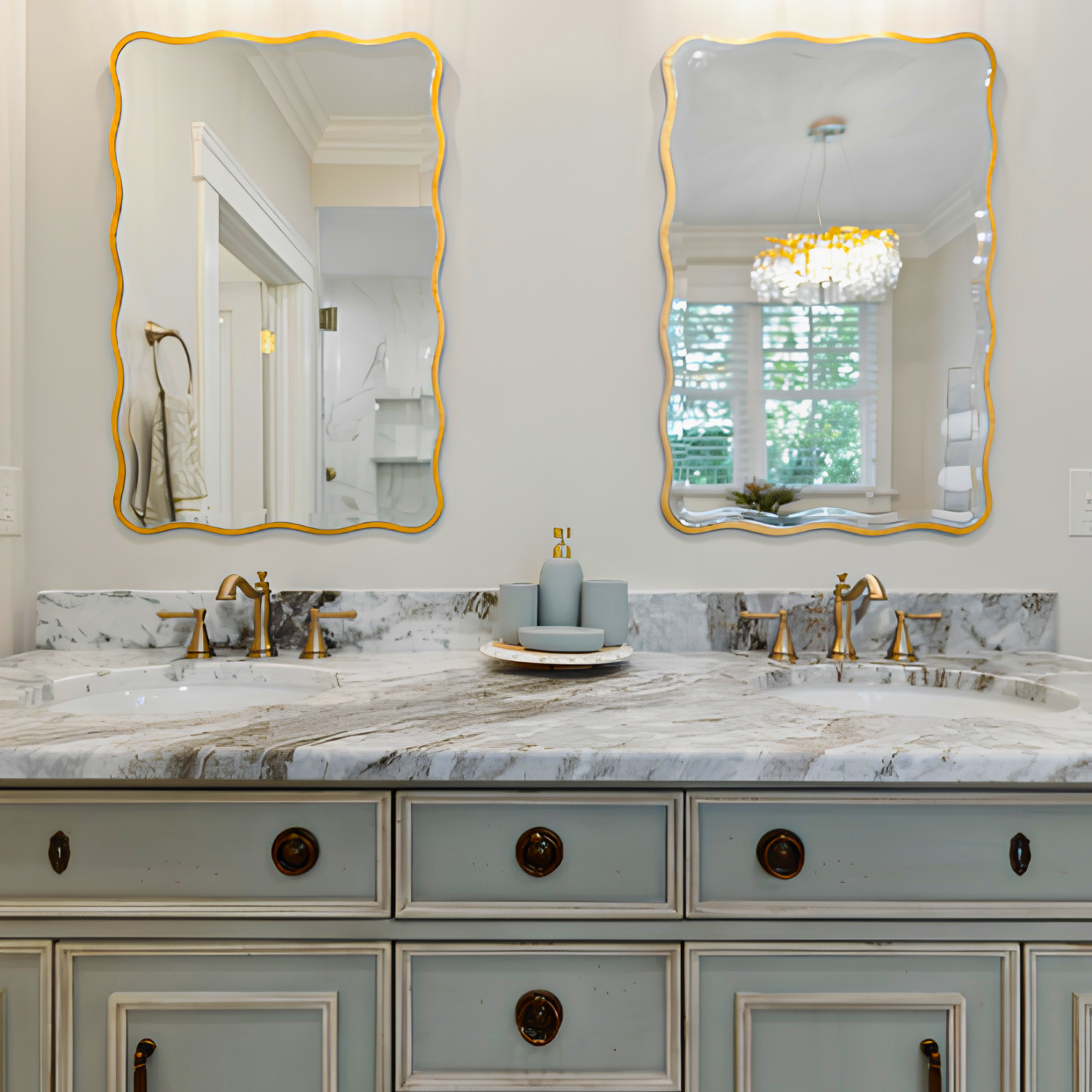
A Beautiful Home Starts With Thoughtful Decisions
I love finding beautiful furniture and discovering a good deal. But I also believe that creating a home you truly love takes more than buying things because they're on sale.
It's about understanding your space, choosing quality furnishings, considering the materials, and making decisions that support your well-being.
At Go Green Fine Interiors, I believe a home should be beautiful, functional, personal, and thoughtfully designed around the people who live in it.
Whether you're updating one room or planning a larger transformation, start with a plan before you start shopping.
If you're ready to make your home feel healthier, more comfortable, and more pulled together, I'd love to help you create a thoughtful design plan. Let's make your next design decision with confidence.
Judy Cossette
Go Green Fine Interiors
Transform your space, elevate your wellbeing.
Frequently Asked Questions
Is Black Friday a good time to buy furniture?
Black Friday can be a good opportunity to compare furniture prices, but a discount doesn't automatically mean better value. Check construction quality, materials, warranty coverage, delivery fees, and return conditions before purchasing.
What furniture is worth investing in?
Consider investing in frequently used pieces such as sofas, mattresses, dining tables, and beds. Prioritize construction quality, comfort, appropriate materials, and durability over the size of the discount.
How can I update my living room without buying all new furniture?
Start by rearranging existing furniture, improving lighting, updating accessories, and addressing the room's layout. Adding one thoughtfully selected piece can sometimes make a bigger difference than replacing everything.
How can I make my home feel warmer and cozier for the holidays?
Layer comfortable textiles, introduce warm lighting, create inviting seating arrangements, and use natural decorative elements. Focus on comfort and functionality rather than adding unnecessary furniture.
