

Warmth That Lasts: Designing a Cozy, Energy-Efficient Home for the Cooler Months
As temperatures drop, many homeowners instinctively turn up the thermostat or add more layers of décor to stay cozy. But true comfort doesn’t have to come at the cost of higher energy bills—or environmental impact. The secret lies in thoughtful design: blending beauty, warmth, and sustainability so your home feels inviting, efficient, and timeless.
At Go Green Fine Interiors, we believe warmth should last—through the seasons, through trends, and through time. This late-fall to early-winter guide will help you achieve just that: comfort that’s designed to endure.
1. Comfort and Efficiency: The Perfect Pair
When you think of “cozy,” you might picture soft throws or a roaring fireplace. Lasting warmth comes from how a home is designed and built. Comfort isn’t just about heat—it’s about efficiency, flow, and materials that work with your home’s natural rhythms.
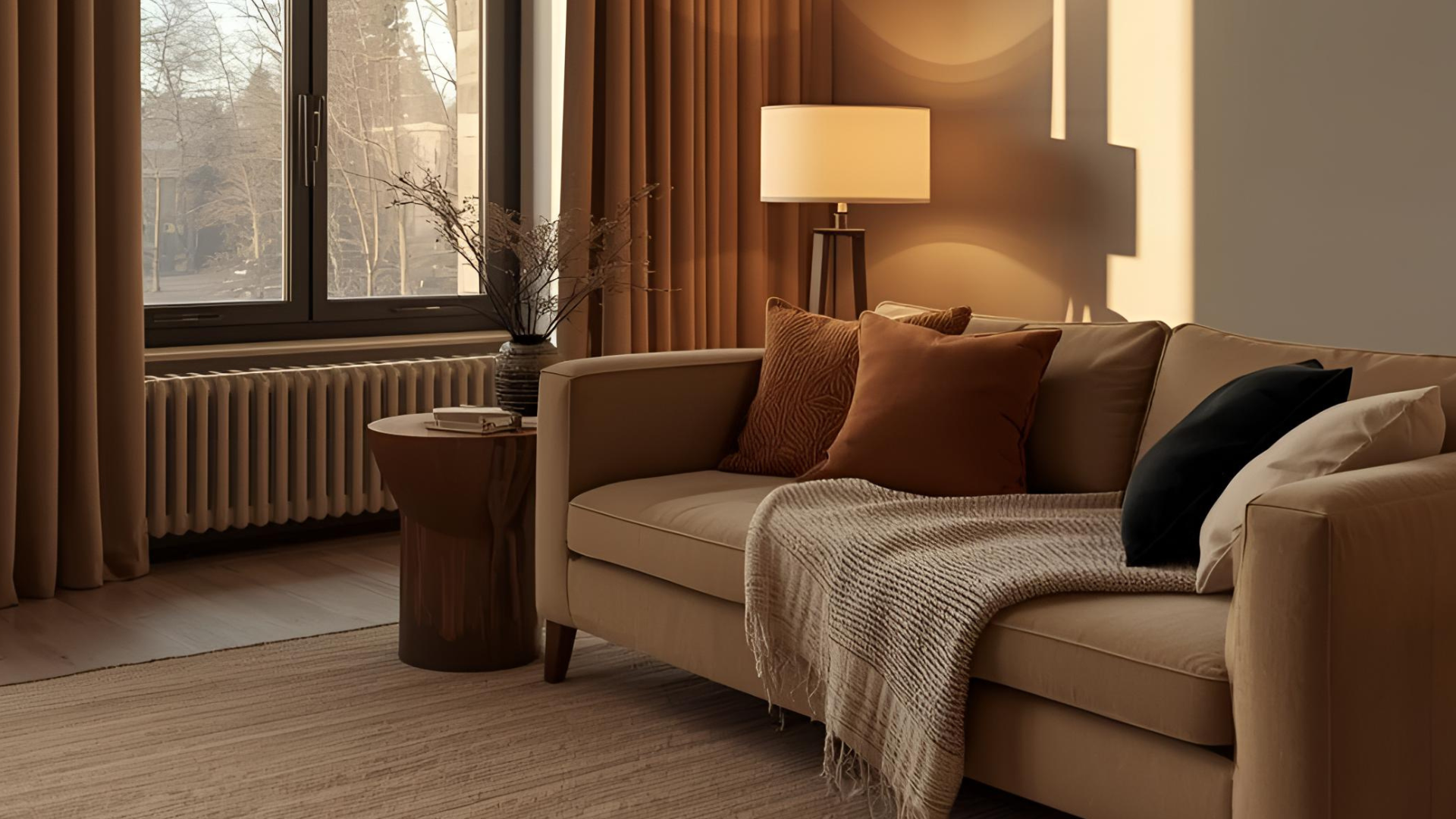
A truly comfortable home:
Feels warm and welcoming.
Functions efficiently year-round.
Supports sustainability with smart design choices.
By anchoring your design with timeless staples and layering in unique finds, you can achieve the right balance—creating a space that radiates both warmth and longevity.
2. The Foundation of Warmth: Start with the Envelope
Before swapping out accessories, look at how your home retains (or loses) heat. The building envelope—your walls, windows, insulation, and roof—plays the biggest role in maintaining comfort and efficiency.
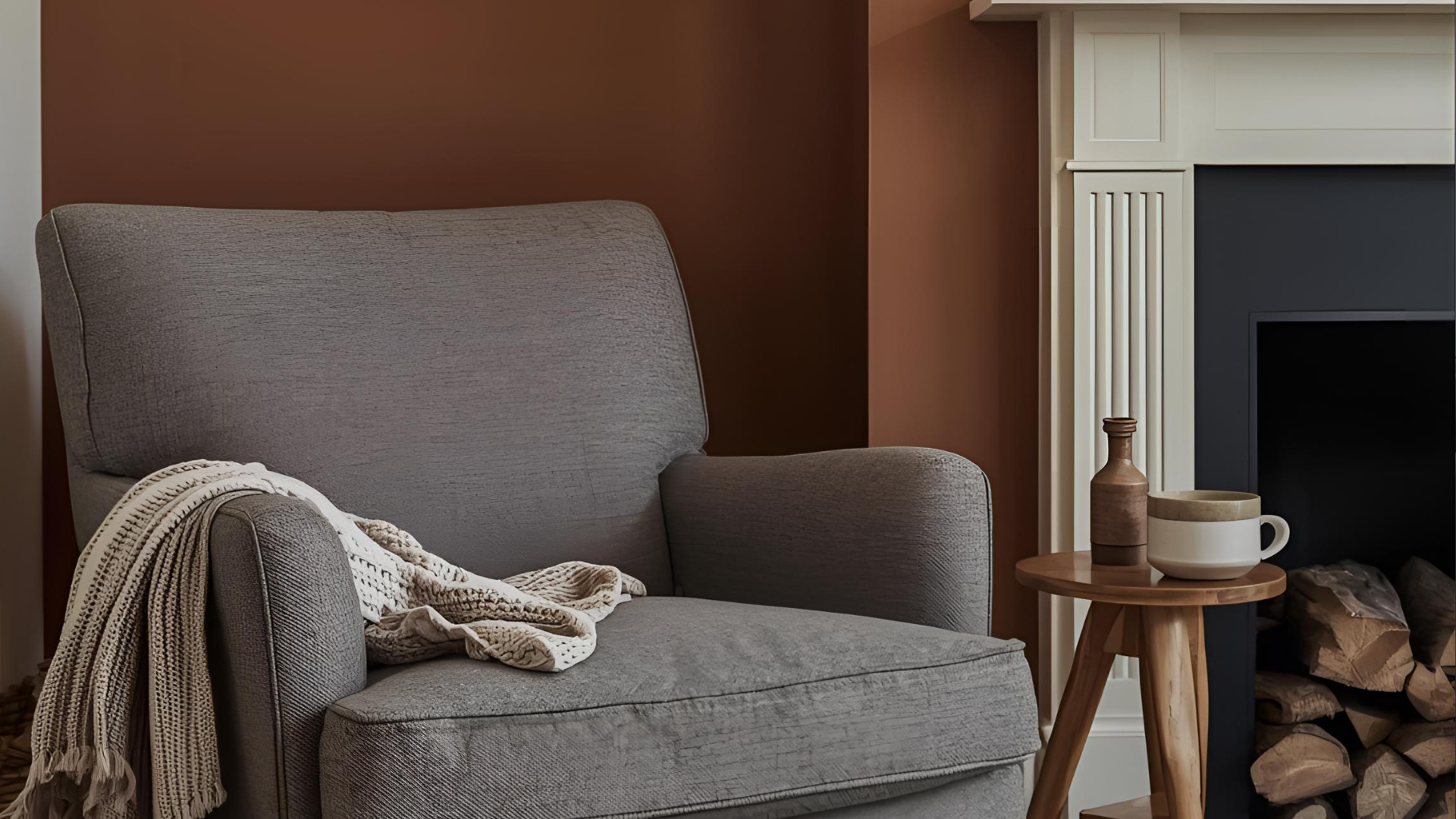
Sealing gaps, insulating attics, and upgrading weather-stripping around doors can dramatically reduce drafts. Double-pane or low-emissivity windows prevent heat loss while still letting natural light flood in. Even simple updates, like heavy lined curtains, can make a difference.
Design-wise, think warm neutrals like soft clay, mushroom, or terracotta for your base palette. These tones create a visual sense of warmth that complements physical comfort. And when choosing materials, opt for recycled or low-VOC options to improve both sustainability and indoor air quality.
3. Timeless Staples That Ground Your Space
Every cozy, efficient home starts with quality essentials—the pieces that don’t just look beautiful but work hard year after year.
A dense wool or jute rug instantly softens a space while insulating your floors. Durable upholstery in wool or recycled performance fabrics adds comfort and longevity. Layered window treatments—wood blinds paired with full-length drapery—help regulate temperature while elevating style.
Don’t overlook lighting. Warm LEDs or dimmable fixtures cast a soft glow and use far less energy than incandescent bulbs. Thoughtful lighting placement—overhead, task, and accent—makes every room feel intentional and inviting.
4. Layering for Personality and Warmth
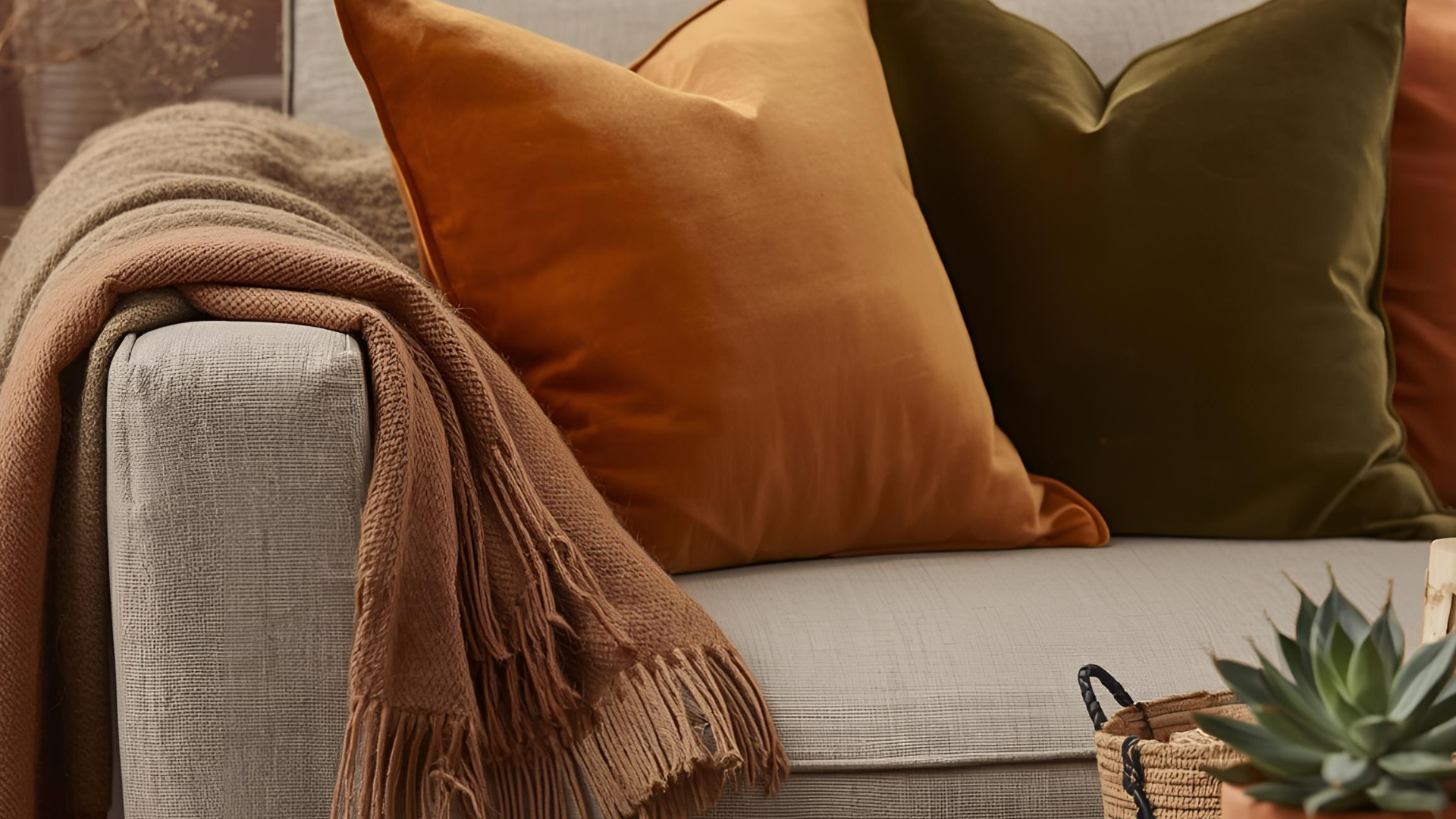
Once your foundation is set, layer in textures and materials that add character. Think velvet pillows in warm tones, boucle throws over the arm of a chair, and tactile elements like baskets, terracotta vases, or wood trays.
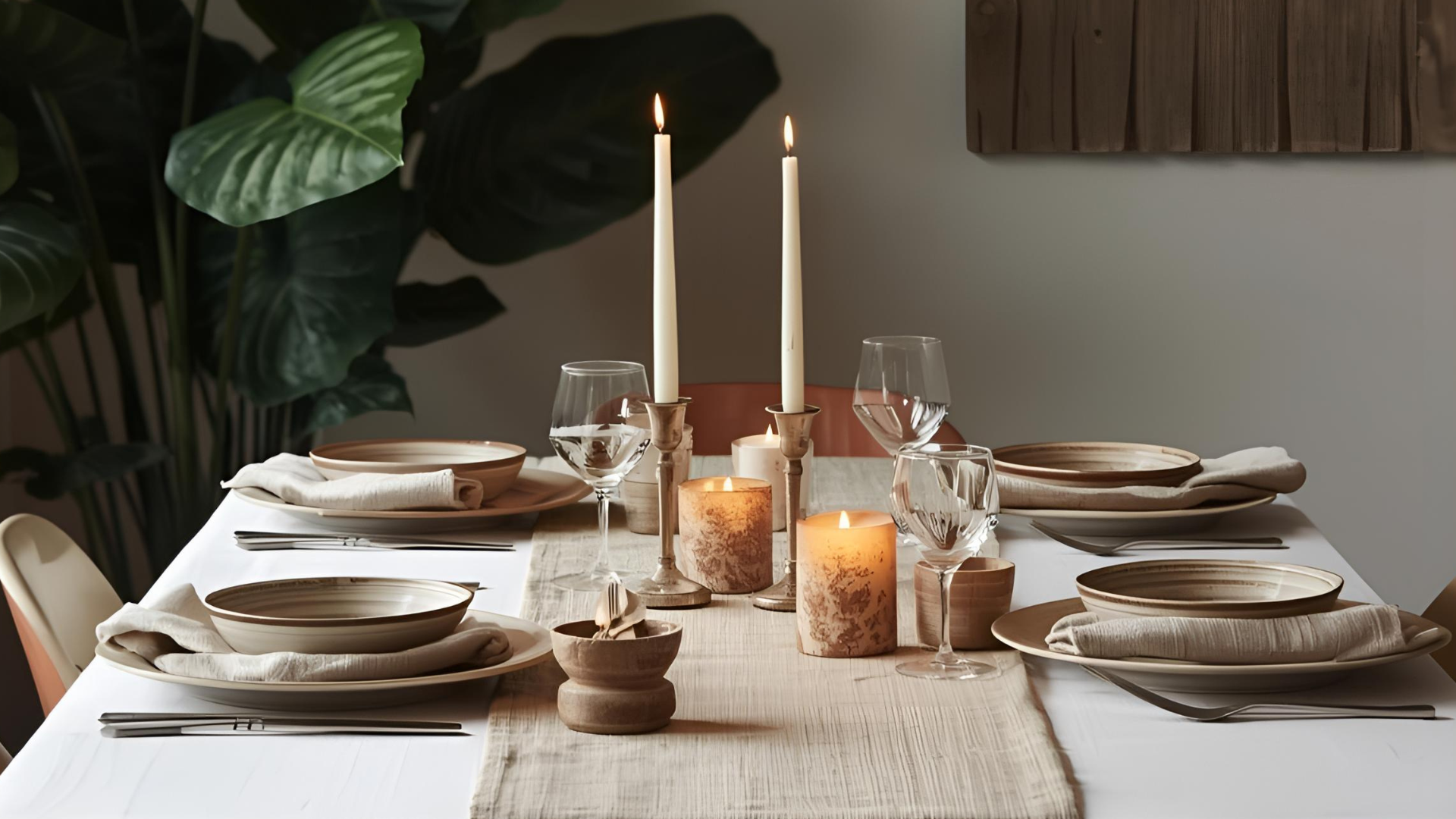
Vintage or reclaimed furniture pieces bring instant charm and authenticity. Even one antique chair or a handcrafted side table can become the element that ties your space together.
Small seasonal swaps—heavier textiles in fall, lightweight linens in spring—keep your home feeling fresh while minimizing waste. The goal isn’t clutter; it’s intentional layering that feels cozy yet breathable.
5. Efficient Systems for Lasting Comfort
A well-designed home integrates comfort from the inside out. Start with a smart thermostat to automate heating schedules and conserve energy when you’re away. Make sure vents aren’t blocked by furniture, and have ductwork checked for leaks—lost heat is wasted money.
Lighting also affects how “warm” a room feels. Opt for bulbs with a color temperature around 2700K–3000K for a cozy amber tone. Use layered lighting—a ceiling fixture, floor lamp, and wall sconce—to mimic natural light patterns.
For homes with good natural exposure, maximize passive solar gain: open blinds on sunny mornings and close them before dusk. This simple habit captures warmth without adding a dime to your bill.
6. Color, Texture, and Materials That Radiate Warmth
Color and texture shape emotional warmth as much as physical warmth. Earthy hues like cinnamon, olive, and deep clay visually “heat” a room, while cool whites or grays can make it feel stark in winter.
Mix tactile fabrics—velvet, wool, linen—to give your home a layered, lived-in feel. Patterned rugs, herringbone weaves, or tone-on-tone stripes add quiet sophistication. And don’t forget your floors: a natural-fiber runner or area rug underfoot instantly changes the way a room feels.
If you’re painting this season, choose low-VOC paints in warm tones. They’ll freshen your space without compromising air quality.
7. Sustainable Materials That Make a Difference
Eco-friendly doesn’t have to mean minimalist or cold—it can be rich, comfortable, and timeless. Sustainable materials enhance longevity and reduce environmental impact while elevating design.
Look for FSC-certified wood furniture, natural or recycled textiles, and LED lighting. Incorporate low-VOC finishes and water-based stains. Even insulation can be eco-friendly, with recycled cellulose or wool options now widely available.
Your choices—whether a solid wood dining table or a reclaimed wood console—create a story of both beauty and responsibility. Need more sustainable tips? Learn more about Go Green Fine Interiors design services.
8. Bringing It All Together: Your Seasonal Design Roadmap
Creating a warm, efficient home isn’t about checking boxes—it’s about layering intention. Start by tightening your home’s structure: seal gaps, insulate where needed, and ensure your heating system is performing at its best. These behind-the-scenes upgrades create a foundation that supports every design choice you make.
Next, introduce comfort visually and physically. A wool rug, thick curtains, and warm-toned lighting set the mood for the season. Incorporate textiles and accent pieces that invite touch and relaxation—like a chunky knit blanket or a vintage armchair.
Finally, build sustainability into your daily habits. Use your smart thermostat thoughtfully, open drapes on sunny mornings, and keep energy-efficient lighting throughout your home. Every small action supports a home that feels both cozy and conscious.
Final Thoughts: Beauty Meets Sustainability
As the cooler months settle in, our homes become more than just the places we live—they become the spaces that restore us. Creating a cozy, energy-efficient home isn’t about adding more things; it’s about designing with purpose. Every material, texture, and color choice should work together to support both comfort and conscience. When done thoughtfully, sustainability doesn’t feel like a sacrifice—it feels like an upgrade in how you experience your space.
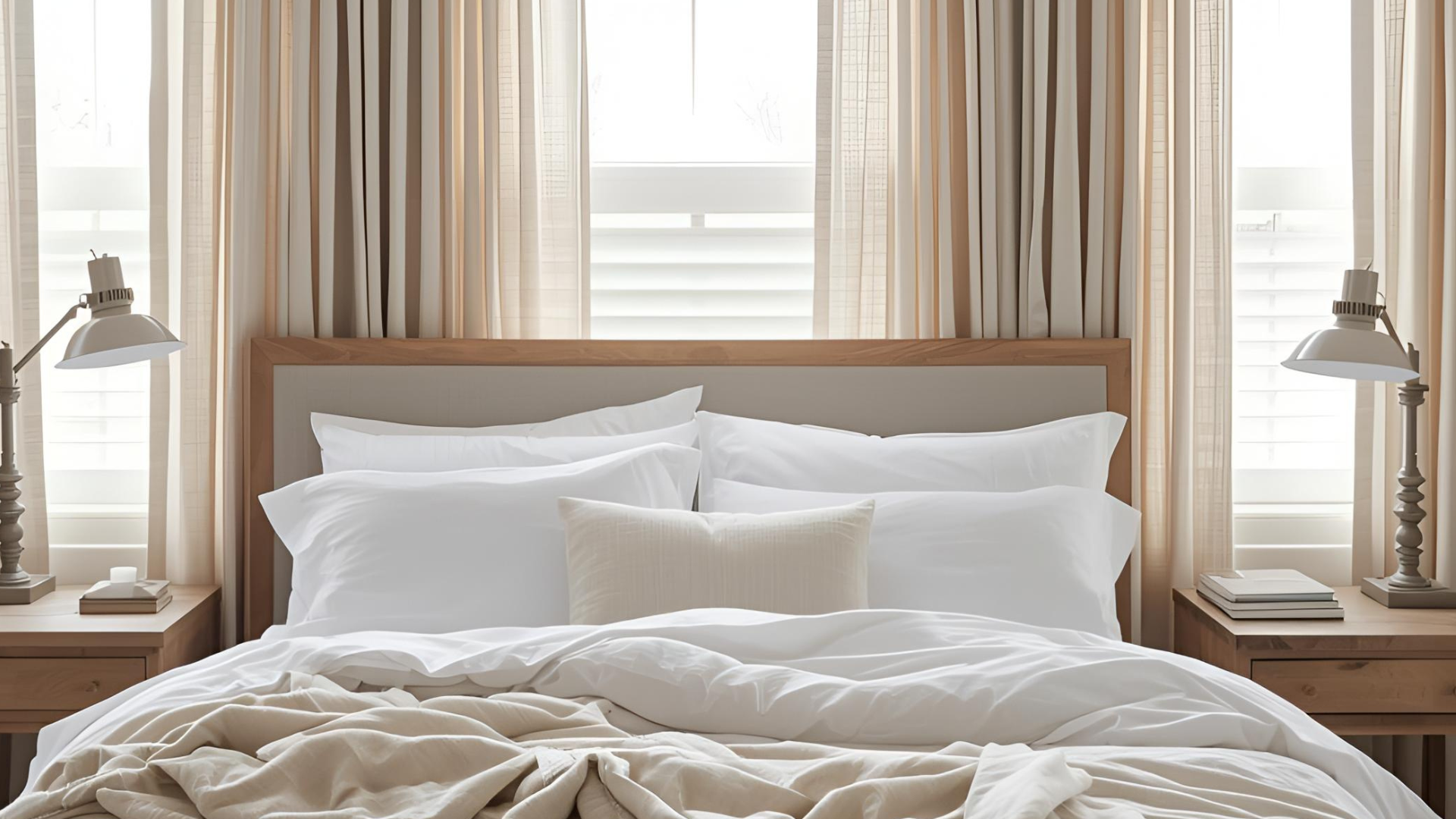
Long-term warmth isn’t just physical—it’s emotional. A well-designed room can ease stress, lift your mood, and make daily life more enjoyable. By investing in timeless furniture, eco-conscious materials, and efficient systems, you create a foundation that nurtures you now and pays forward to the future. Your home becomes a reflection of care—care for yourself, your loved ones, and the planet you share.
At Go Green Fine Interiors, we believe beauty and sustainability belong together. Our mission is to help you design spaces that feel luxurious yet responsible, personal yet enduring. When warmth, efficiency, and design align, the result is a home that welcomes you in every season—with style that lasts, and values that matter.
🛋️ Ready to Take It to the Next Level?
Let’s work together to make sustainable, beautiful choices for your home.
Want help curating a space that reflects your personality, values, and is good for the environment? Contact us for a custom design consultation.
💬Let us know: What’s your favorite sustainable element in your space?
📩 Contact Go Green Fine Interiors for your next project!
