

The Home as Health Infrastructure: Why Interior Design Is Becoming a Wellness Decision
You spend more time inside your home than almost anywhere else. So it makes sense that the materials, air quality, lighting, and layout of that space would affect how you feel, not just how things look. That's the shift happening in interior design right now. People aren't just decorating anymore. They're building homes that support their health.
What does it mean for a home to be "health infrastructure"?
Your home is health infrastructure when its materials, air, light, and layout are working to support your body and mind instead of working against them. Think of it the same way you'd think about clean water or good plumbing. It's not visible most of the time, but it's doing something for you constantly.
A lot of homes look beautiful and still work against the people living in them. Off-gassing furniture, poor air flow, harsh lighting, and cluttered layouts all add a quiet kind of stress to your day, even if you can't point to exactly why you feel tense or tired at home. Health-conscious design flips that. It treats your home the way you'd treat any other system that keeps you functioning well.
Why is interior design being treated as a health decision now?
Because people are finally connecting what's in their homes to how they feel physically and mentally. Awareness around indoor air quality, chemical exposure from furniture and finishes, and the mental toll of a cluttered or poorly designed space has grown a lot. It's not a trend. It's a shift in how people think about their homes altogether.
I've been a Certified Sustainable Interior Designer for years, and this is the conversation I have with almost every client now. They come to me not just wanting a pretty room, they want to know what's in the couch, what's off-gassing from the paint, whether the layout is actually going to calm them down after a long day. That's a completely different starting point than it used to be, and I think it's the right one.
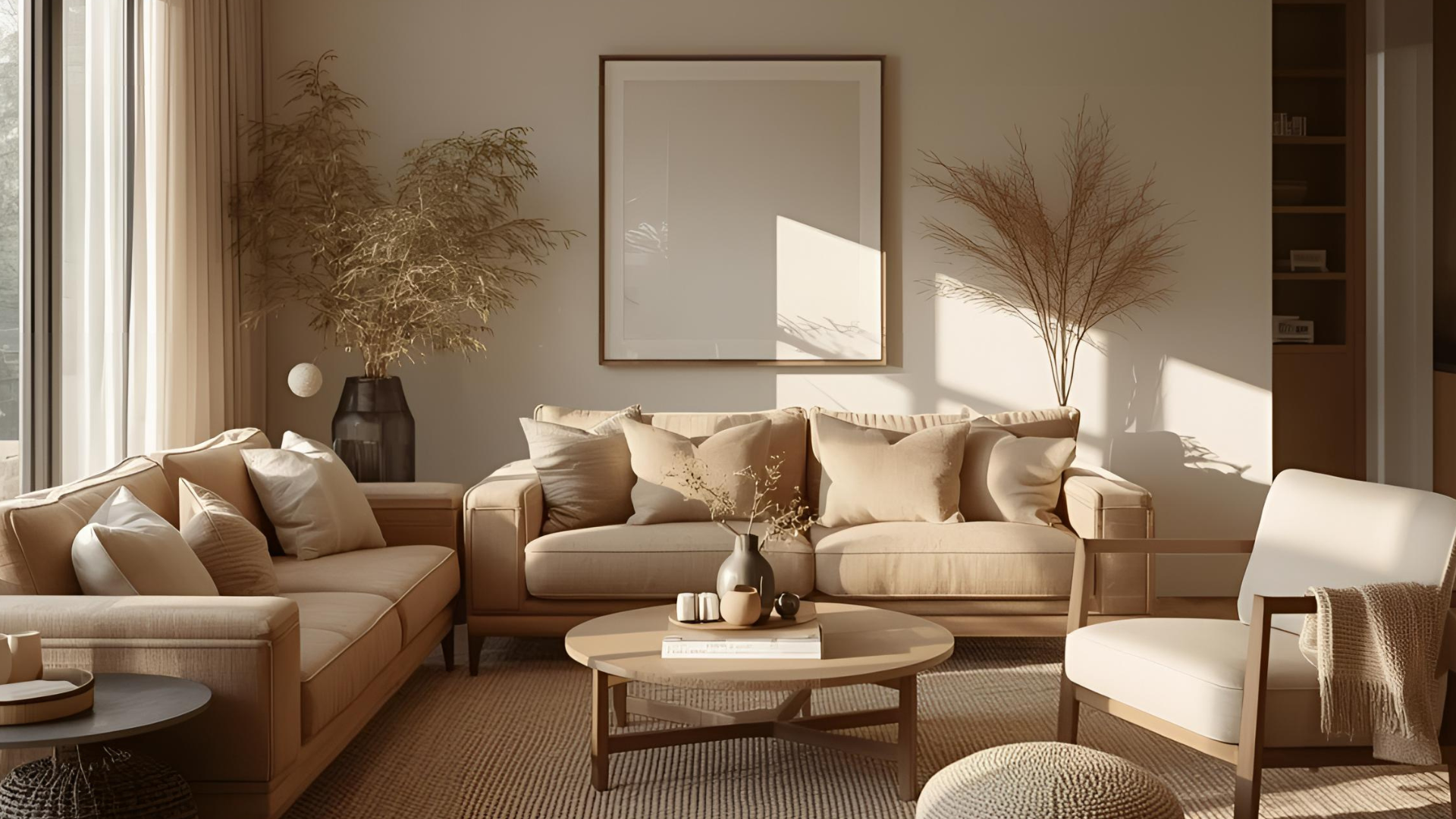
What actually makes a home unhealthy, even if it looks fine?
The biggest culprits are usually invisible: synthetic materials that release chemicals into the air, poor ventilation, harsh artificial lighting, and layouts that create friction instead of flow. None of that shows up in a photo. A room can look stunning in a magazine and still be quietly working against the people living in it.
Common issues I see in client homes:
Furniture and finishes made with materials that off-gas volatile organic compounds (VOCs)
Lighting that's too harsh or too dim for the way the room is actually used
Layouts that create bottlenecks, clutter, or a sense of chaos instead of calm
Fabrics and rugs that trap dust, allergens, or synthetic residue
Spaces with no connection to natural light or the outdoors
None of these are dramatic on their own. But they add up, day after day, into a home that costs you energy instead of restoring it.
How does sustainable design support physical and mental health?
Sustainable design supports health by removing the materials and conditions that create physical strain, and by shaping spaces that actually help your mind settle. That's two different jobs, and good design does both at once.
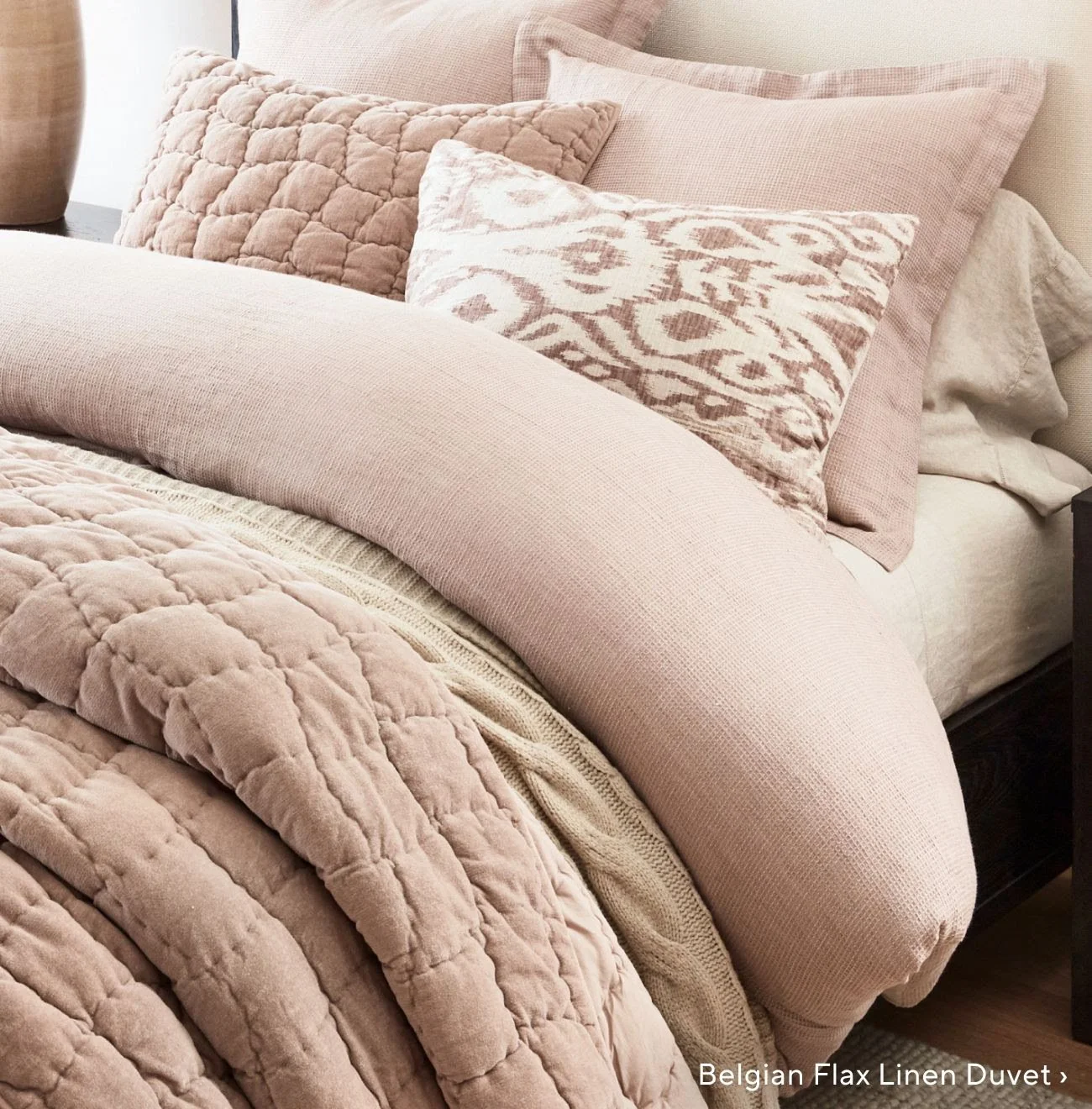
On the physical side, that means choosing non-toxic, low-VOC materials, prioritizing natural fibers and finishes, and making sure a home has real airflow. On the mental side, it means thinking about how a room feels to walk into: whether it's cluttered or calm, whether the lighting supports your mood, whether the layout makes daily life easier or harder. I bring nature back into spaces wherever I can, because there's real value in being able to see greenery, natural light, or organic texture from where you sit most often. It's a small thing that makes a noticeable difference over time.
Is this the same as biophilic design?
It overlaps, but it's broader. Bringing natural elements like plants, wood, and daylight into a space is one piece of wellness-focused design, and an important one. But health-centered design also covers material safety, air quality, layout, and how a space functions for the specific people living in it. Nature is one tool among several.
Who should be thinking about their home this way?
Anyone who's noticed their home isn't giving them the sense of ease they expected, even though it looks fine. That includes busy professionals whose homes never quite feel restful, people managing stress or health concerns who want their environment working with them instead of against them, and anyone furnishing a new space who wants to get it right from the start instead of retrofitting later.
I work with clients across the country through virtual design, not just here in Wilmington. Health-conscious design isn't a local service, it's something anyone building or refreshing a home should have access to, no matter where they live.
How do I start making my home healthier without a full renovation?
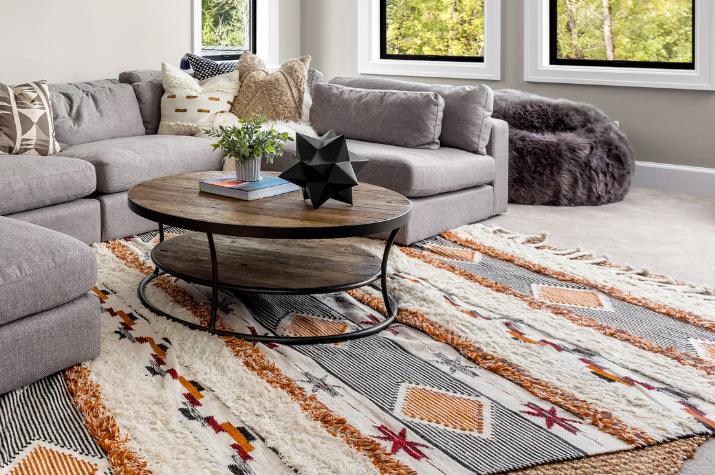
Start with what you're bringing into the home next, not what's already there. Every new furniture piece, rug, or finish is a chance to choose something that supports you instead of something that just fills space. From there, small changes like improving airflow, adjusting lighting, and decluttering high-traffic areas make a real difference without requiring a full remodel.
You don't have to do everything at once. Most of my clients start with one room or one decision, like a new sofa or a lighting update, and build from there once they see how much better the space feels.
What credentials should you look for in a designer who does this well?
Look for someone with real training in sustainable and non-toxic materials, not just someone who uses the word "eco-friendly" as a style label. I'm a Certified Sustainable Interior Designer and a Professional Home Stager and Redesigner, and I hold memberships with the NKBA and the Sustainable Furnishings Council. That background means I know what's actually in the materials I recommend, not just how they look in a room.
Ready to see what a health-focused home could feel like?
If your home looks fine but doesn't feel like it's working for you, that's worth paying attention to. A few thoughtful changes to materials, layout, and light can shift how your whole space feels day to day. I offer virtual design services nationwide, so wherever you are, we can start there.
