

The 2026 Design Trends Already Living in Wilmington's Most Beautiful Homes
The 2026 interior design trends getting the most attention right now are quiet luxury and what people are calling sustainable sophistication. If you live in Wilmington, you may notice something funny about both of them: the best homes here have been doing this for a long time.
I'm a sustainable interior designer in Wilmington, NC, and I'll admit it's a little strange watching the design world announce these ideas like they just arrived. A home that feels calm, finished, and quietly expensive is not a trend to me. It's just good design. But since you're likely seeing these terms everywhere, let me break down what they actually mean in a real house, and how to tell the difference between the look and the substance.
What is quiet luxury in interior design?
Quiet luxury in interior design is a home where quality is felt rather than announced: restrained color, honest materials, excellent craftsmanship, and nothing that exists only to impress.
It's the opposite of a showroom. You won't find a room built around one dramatic statement piece or a logo-driven look. Instead, you notice the weight of a linen drape, the way a hand-finished table holds light, how a room makes you exhale when you walk in. If you've ever stood in a beautiful home and couldn't quite say why it felt so good, that's quiet luxury doing its job.
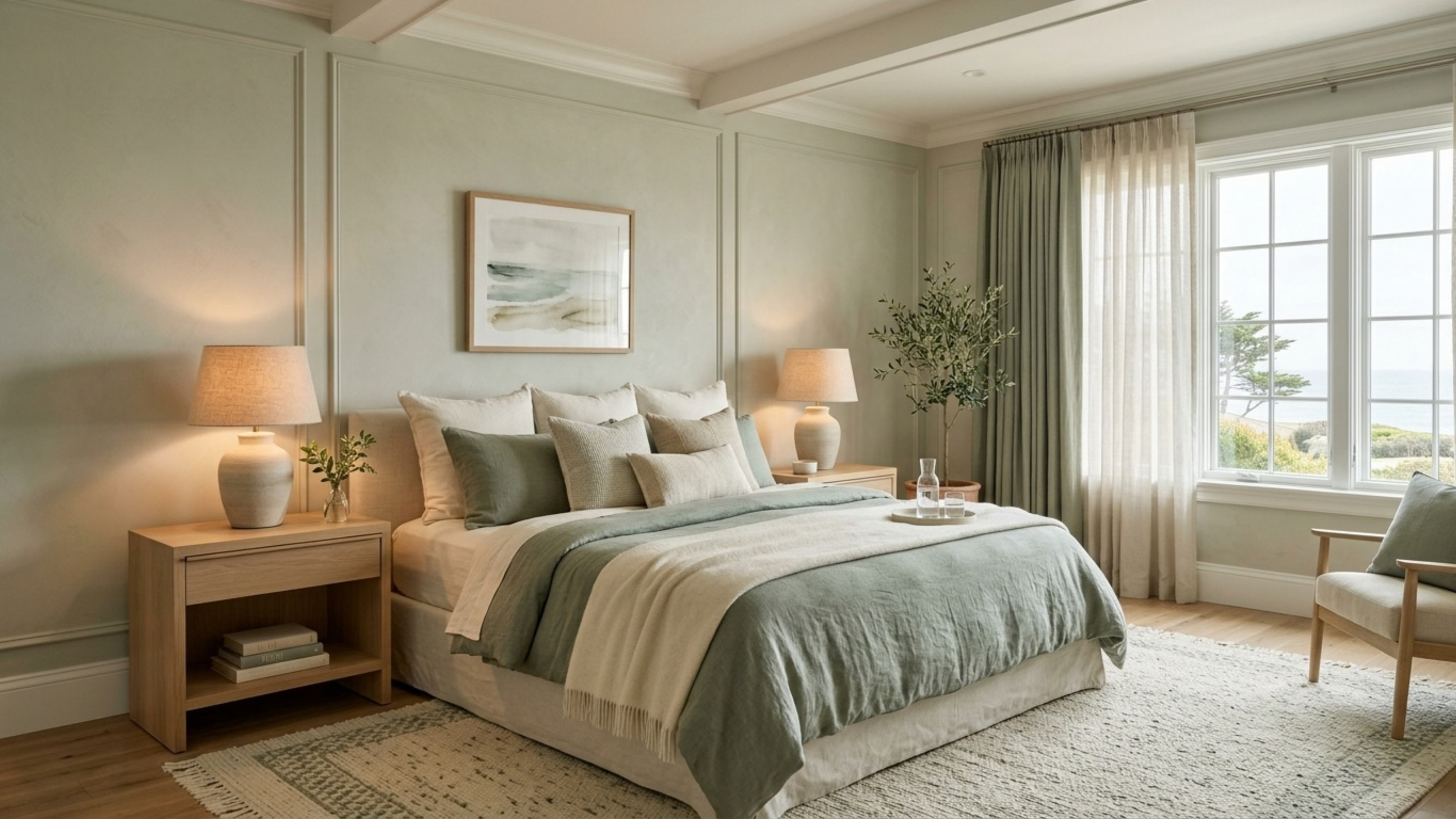
Here in Wilmington, this shows up naturally. Coastal light is already soft and a little silvery. The best interiors work with it instead of fighting it, using warm neutrals, natural textures, and edited furnishings so the house and the setting feel like one thing.
What is sustainable sophistication, and how is it different from "eco-friendly"?
Sustainable sophistication means eco-conscious materials chosen because they are beautiful and well made, not as a compromise. The sustainability is part of the refinement, not a label stuck on afterward.
For a long time, "sustainable" in interiors meant giving something up. Less style, fewer options, a certain granola look (I say that with love). That is not what I do, and it's not what the 2026 version of this trend is about. A solid wood piece built to last decades, a natural wool rug, a finish selected with your health in mind: these are the same choices a seasoned designer would make for beauty and longevity anyway. The sustainable part just happens to be true too.
This is also where I'd gently warn you about greenwashing. If a piece is marketed as "eco" but nobody can tell you where it came from or what it's made of, that's a question worth asking. Part of my job is doing that homework so you don't have to.
Why are luxury homeowners moving away from short-lived trends?
Homeowners who invest in a full renovation or a new build want rooms that still feel right in ten years. A trend-driven house can feel dated quickly, while a timeless one keeps its value in how it feels to live in.
I hear this a lot from people in the middle of a big project. They aren't asking, "What's in style?" They're asking, "How do I make all of these decisions without ending up with a house that feels disconnected?" That second question matters more. Furnishing room by room, one choice at a time, is how homes end up with beautiful pieces that don't speak to each other.
That's why I treat trends like seasoning, not the main course. A trend can inform a room, but the room should be built around how you actually live.
What does a quiet luxury, sustainable home look like in Wilmington?
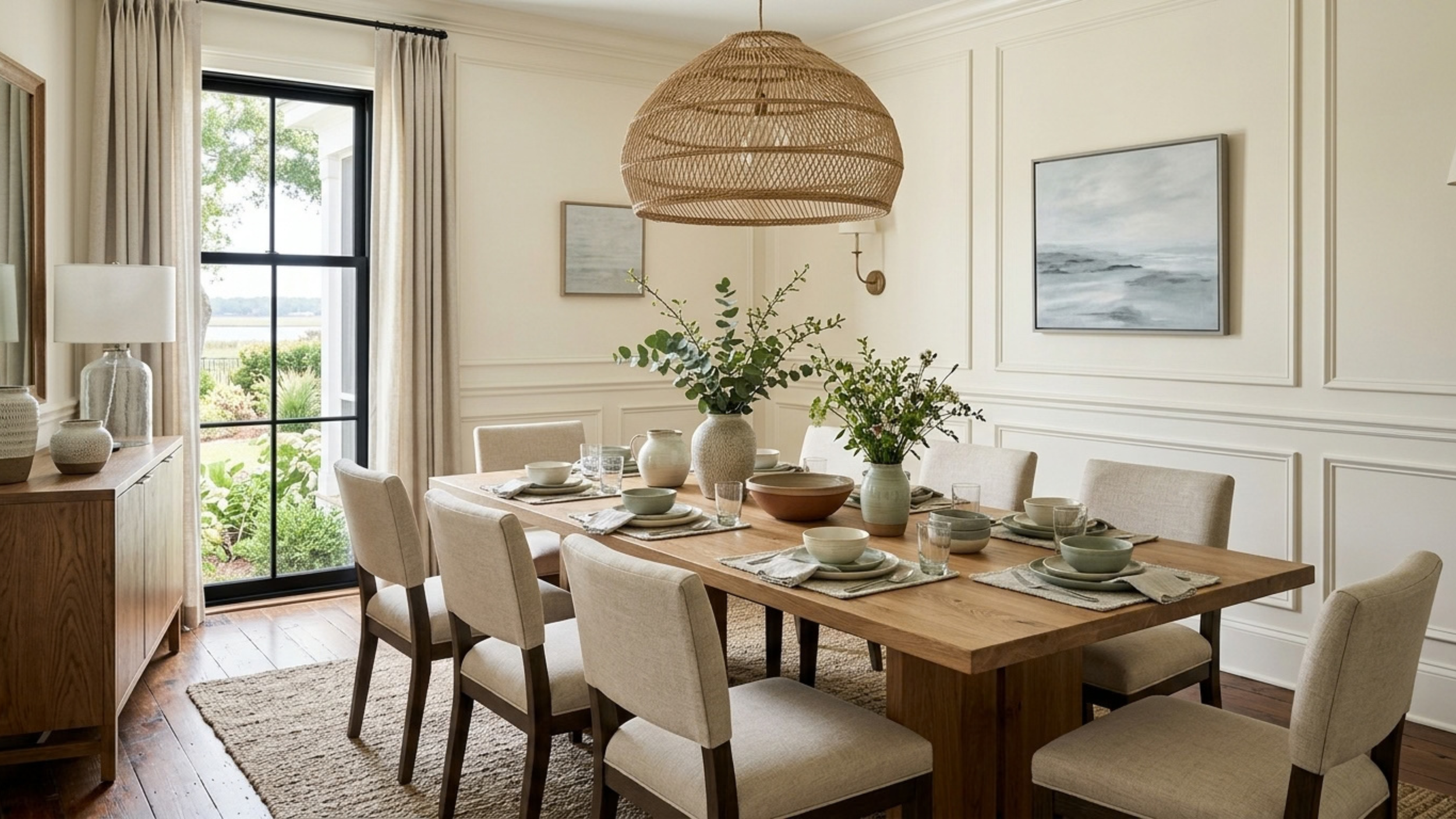
It looks like a home built around a few considered choices: natural materials, layered texture, soft light, thoughtful storage, and furnishings made well enough to keep. These are the same principles I bring into my projects.
Here are the details I pay the most attention to:
Materials you can feel. Natural fibers, solid wood, stone, and hand-finished surfaces. I choose materials with health and sustainability in mind, which also tends to mean they are better made and age more gracefully.
Color that calms. Warm, grounded neutrals and muted earth tones that echo the coast without turning the house into a beach theme. (Yes, you can have a coastal home that does not look like a typical beach house.)
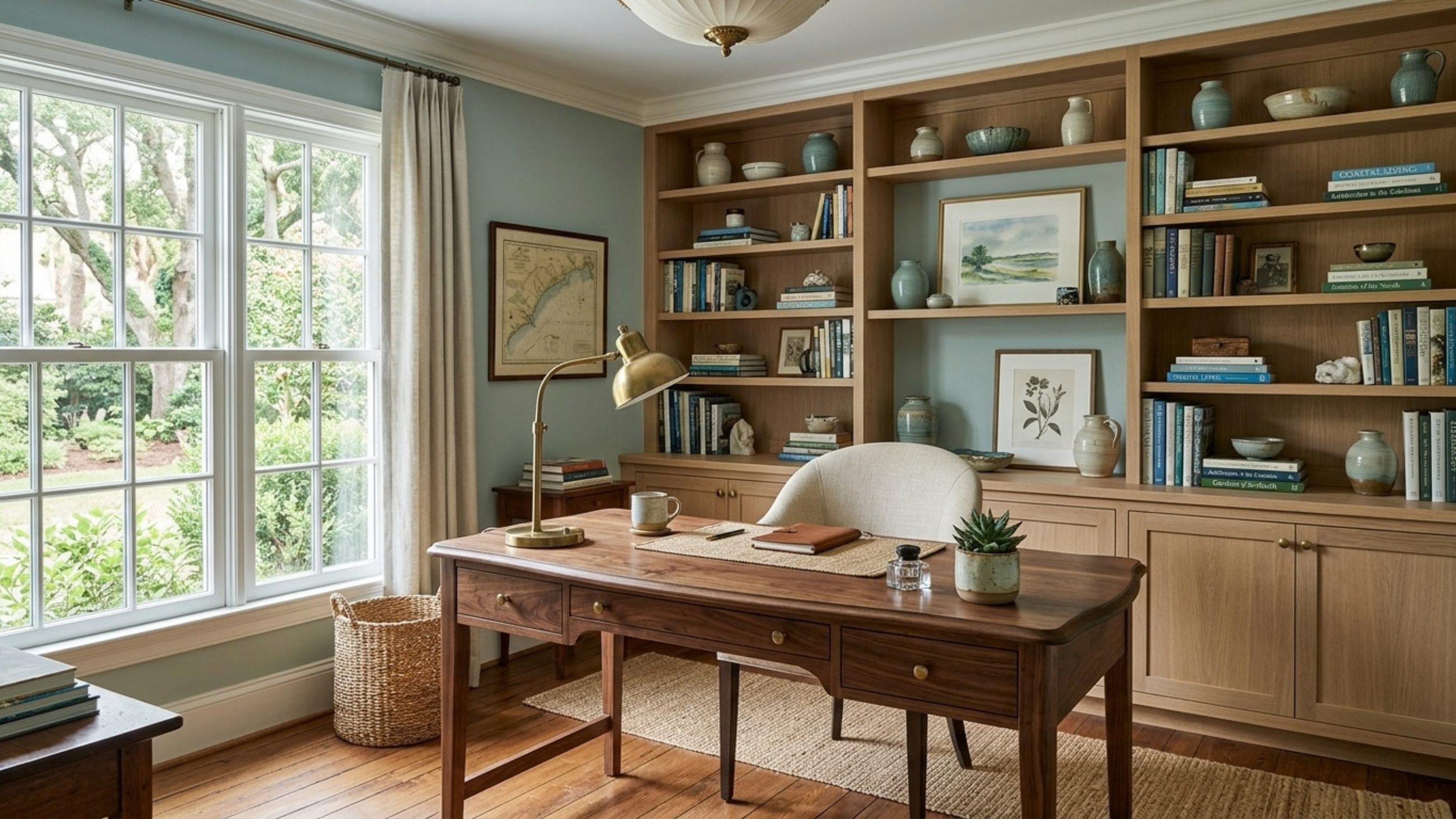
Biophilic touches. Natural light, organic shapes, living greenery, and views of the outdoors, woven in so they feel like part of the architecture and not decoration.
Lighting that supports the way you live. Layered, warm lighting that is comfortable in the evening and kind to your eyes and your sleep.
Rooms that rest the senses. Especially bedrooms. Texture, sound, light, and air all matter more than most people realize, and this is where I'm most particular about materials.
I also have access to sustainable furnishings trade accounts and unique, high-end décor, which means the pieces in these rooms often aren't the ones you'd find on the first page of a search. That matters when the goal is a home that feels like yours.
How does healthier design fit into luxury interiors?
Healthier design is part of luxury because the real luxury is a home that supports how you feel every day. Choosing lower-toxicity materials and finishes protects the air you breathe, especially in the rooms you spend the most time in.
This is the part of my story that never lets me design the old way. After years of experience, I became a certified sustainable interior designer and learned how much indoor air quality is affected by the furnishings and finishes we bring home. Once you know that, it's hard to unknow it. So in every project, I look at what's in the room, not just how it looks.
I am careful with my wording here, because I think honesty matters. I don't promise a perfect, risk-free home (no one honestly can).
What I do is select materials with health and sustainability in mind and explain my reasoning, so you understand the why behind each choice.
What do I do when a project feels like too many decisions?
You hand off the coordination. A full-service interior designer manages the concept, space planning, materials, furnishings, ordering, installation, and final styling, so you are not managing dozens of vendors yourself.
If you're renovating, building, or furnishing a second home, you've probably felt it: the decision fatigue, the worry about making an expensive mistake, the time you don't have. This is the part of the work I care about most. A beautiful result is the goal, but so is a process that feels calm. Part of what I do is carry the weight of those choices, with a clear plan, regular updates, and someone who listens to how you actually want to live.
I also bring a biophilic approach to every home, and I have a specialty in designing for neurodivergent clients, where sensory comfort shapes every decision. Those details are easy to overlook, and they change how a house feels from the inside.
What should you look for in a sustainable luxury interior designer in Wilmington, NC?
Look for someone with real credentials, transparency about materials and sourcing, a full-service process, and a portfolio that shows the finished work, not only inspiration images.
A few questions worth asking any designer:
Can you tell me where these materials come from and what they're made of?
Who manages ordering, delivery, and installation?
How do you design for the way I live, not just for how the room looks?
Can I see completed projects like mine?
If you're interviewing a few firms, those answers will tell you a lot.
Frequently asked questions
Is quiet luxury just a 2026 trend?
Not really. The term is popular now, but the idea of restraint, quality, and comfort has always defined timeless interiors.What is the best interior design style for a Wilmington coastal home?
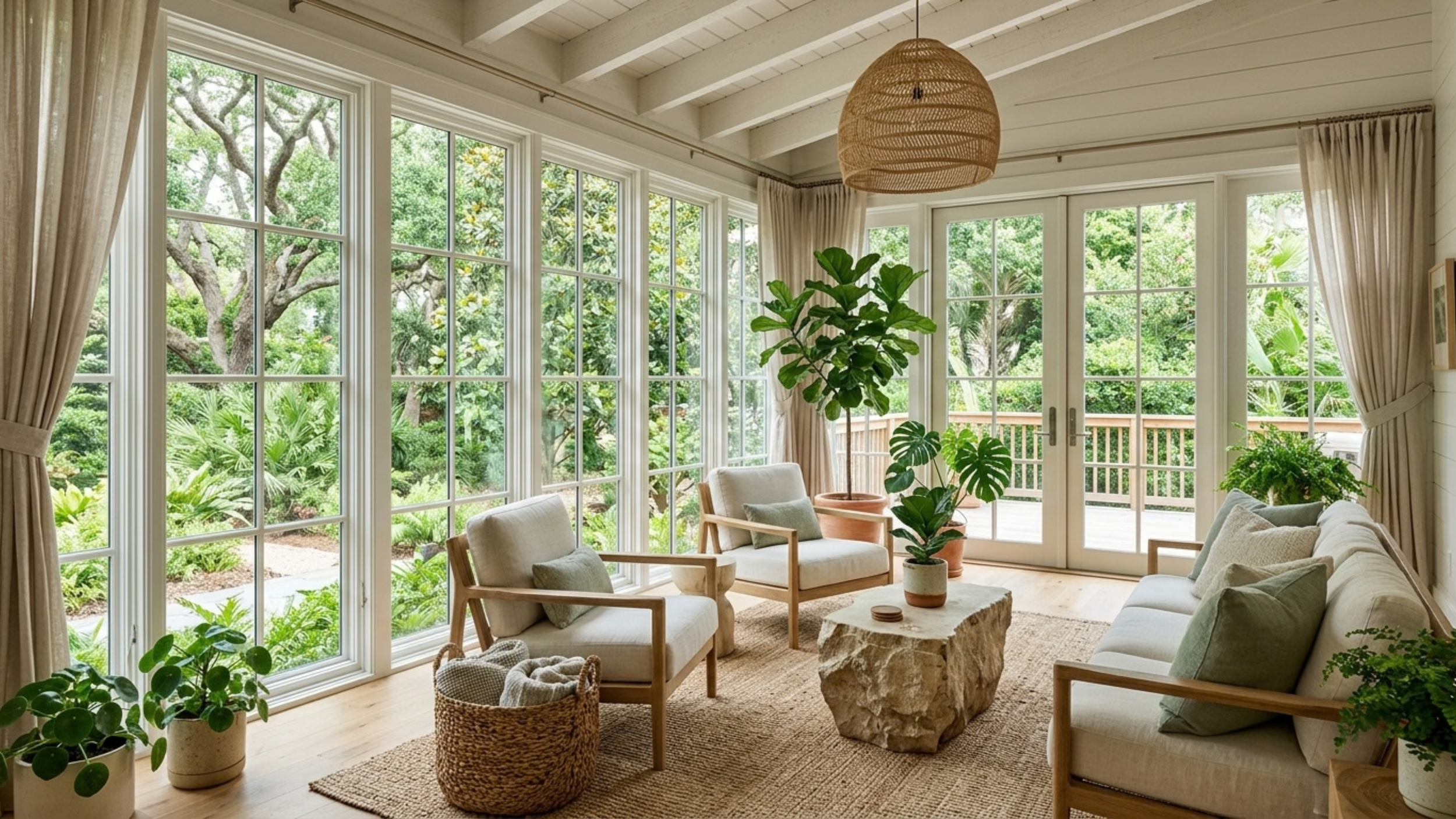
A style that works with the light and landscape: natural textures, calm color, and edited furnishings, without leaning on typical beach house décor.Can a home be both luxurious and sustainable?
Yes. Well-made, natural, and responsibly sourced materials tend to be the ones that look and last the best.Do you work with homeowners outside Wilmington?
Yes. Go Green Fine Interiors offers a Virtual Design Service for homeowners across the country, along with in-person design in the Wilmington area.
Ready to talk about your home?
If you're planning a renovation, new build, or second home in Wilmington or along the coast and want it to feel beautiful and healthy, I'd love to hear about it. Book a Discovery Call and we'll talk through what you have in mind.
Judy Cossette is the founder of Go Green Fine Interiors, a sustainable luxury interior design firm in Wilmington, NC, offering full-service interior design, virtual design, space planning, and home staging.
