

10 Interior Design Trends Just Starting to Take Hold for Late 2026 and 2027
The interior design trends most people haven't heard of yet are usually the ones worth watching. Right now, that list includes neuroarchitecture, lighting that designs out microplastics from your air, and finishes with an iridescent, almost holographic quality that nobody was talking about a year ago. These aren't trends peaking on Pinterest. They're trends still forming, which means there's still time to bring them into your home before everyone else catches on.
I'm Judy Cossette, a Certified Sustainable Interior Designer and Professional Home Stager and Redesigner in Wilmington, North Carolina. I track these shifts closely because the earliest version of a trend is usually also the most sustainable version. Before something gets mass produced and diluted, it tends to be rooted in real materials, real craftsmanship, and real intention.
Here are 10 directions I'm watching closest for the second half of 2026 and into 2027.
1. Neuroarchitecture, or design built around your nervous system
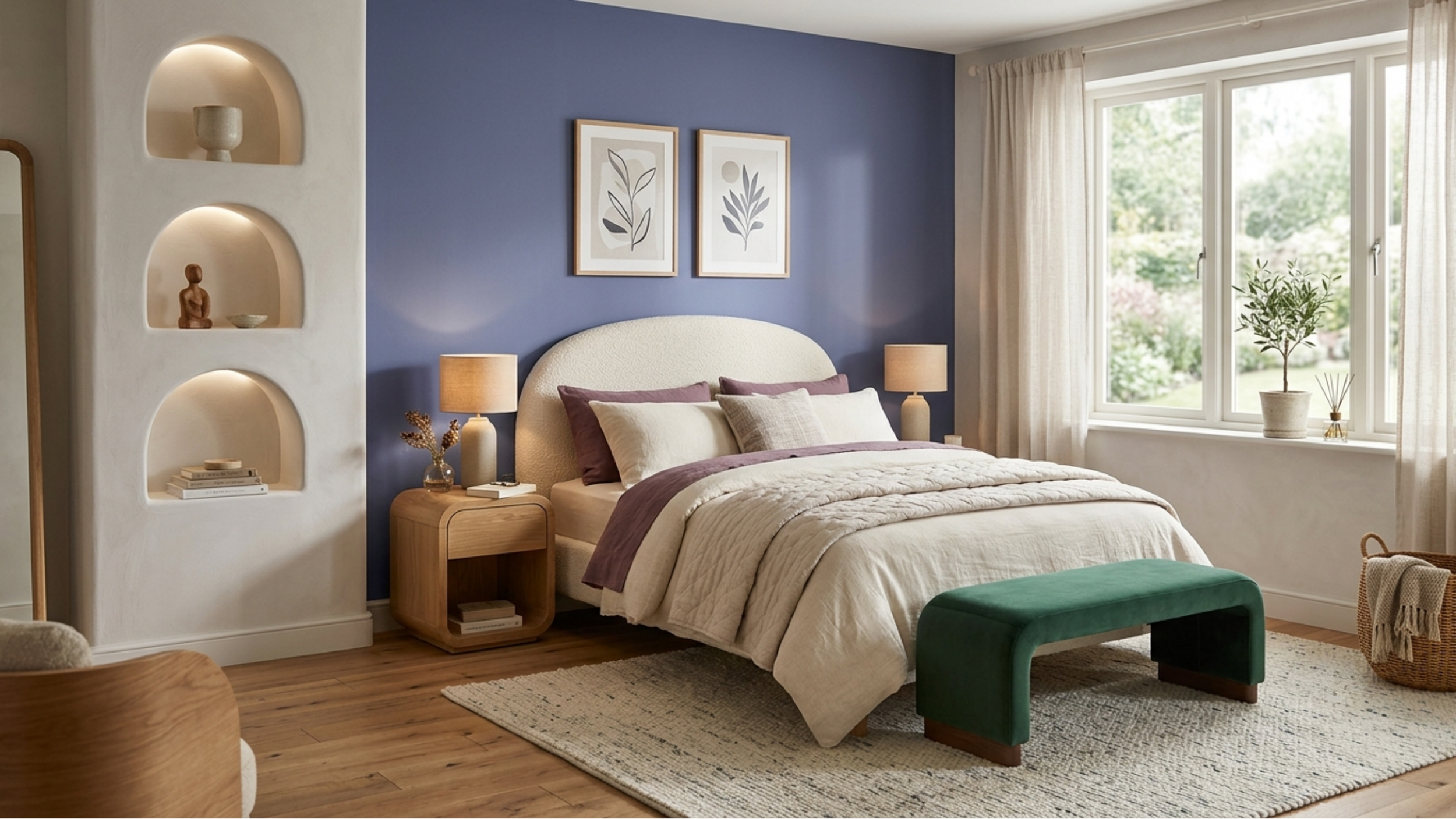
Neuroarchitecture is the idea that a room's proportions, materials, and light can measurably calm or activate your nervous system, not just your mood. It's an extension of biophilic design, but it goes further, looking at things like ceiling height, sound absorption, and sightlines to nature as tools that shape how your body responds to a space. Wellness architecture researchers have been pointing to this as one of the more evidence-based shifts coming into homes over the next couple of years, and I think it's going to reshape how bedrooms and primary living areas get planned.
2. Lighting designed around your circadian rhythm
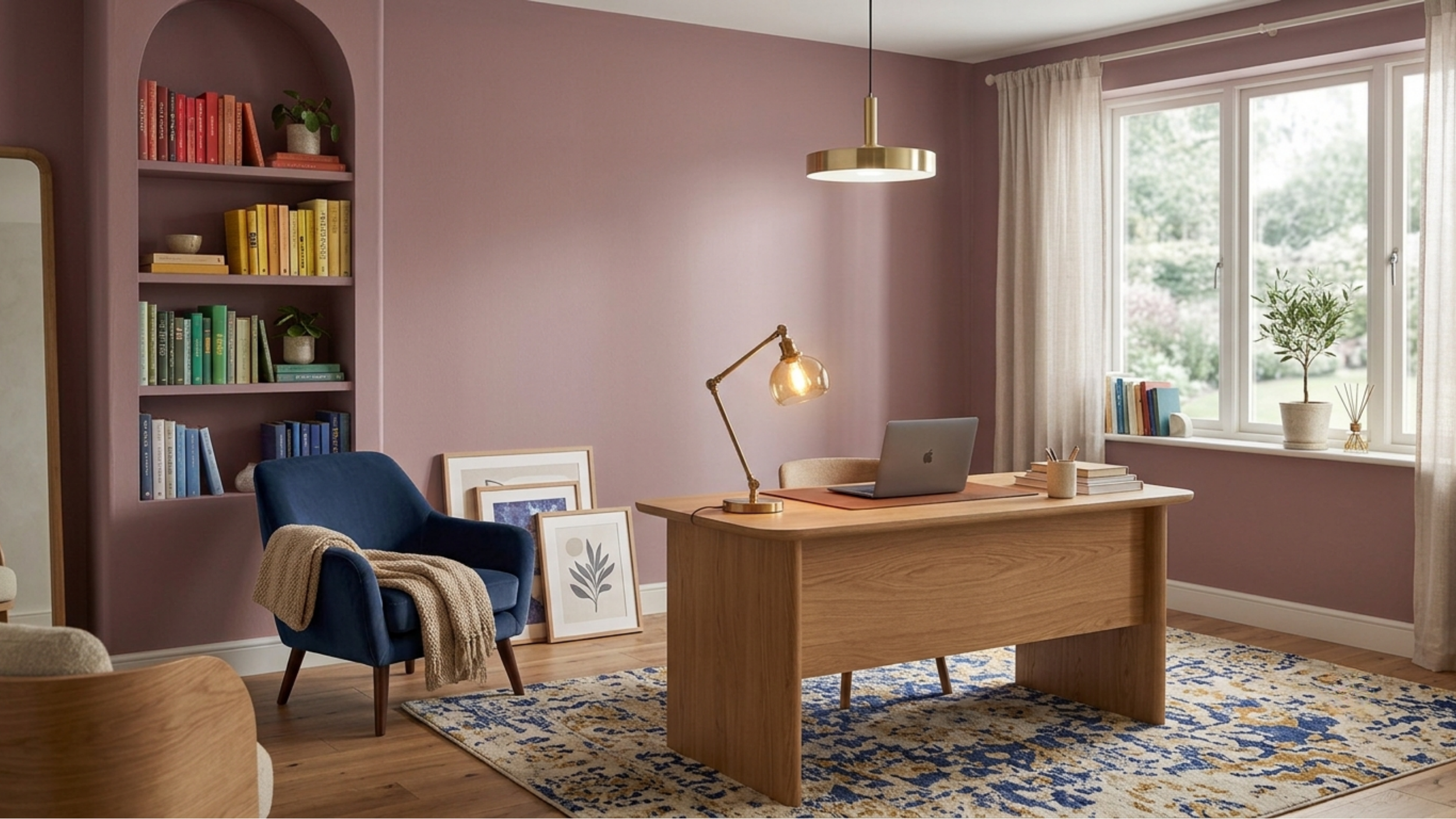
Circadian lighting adjusts color temperature throughout the day, cooler and brighter in the morning, warm and dim in the evening, so your home works with your body's natural rhythm instead of against it. This one has been building for a while, but it's about to move from a nice-to-have into something clients expect as a baseline, especially in windowless bathrooms, basements, and home offices where natural light cues are limited. If you've ever felt wired at 9pm after sitting under bright white light all evening, this is the fix.
3. Designing out microplastics and hidden indoor pollutants
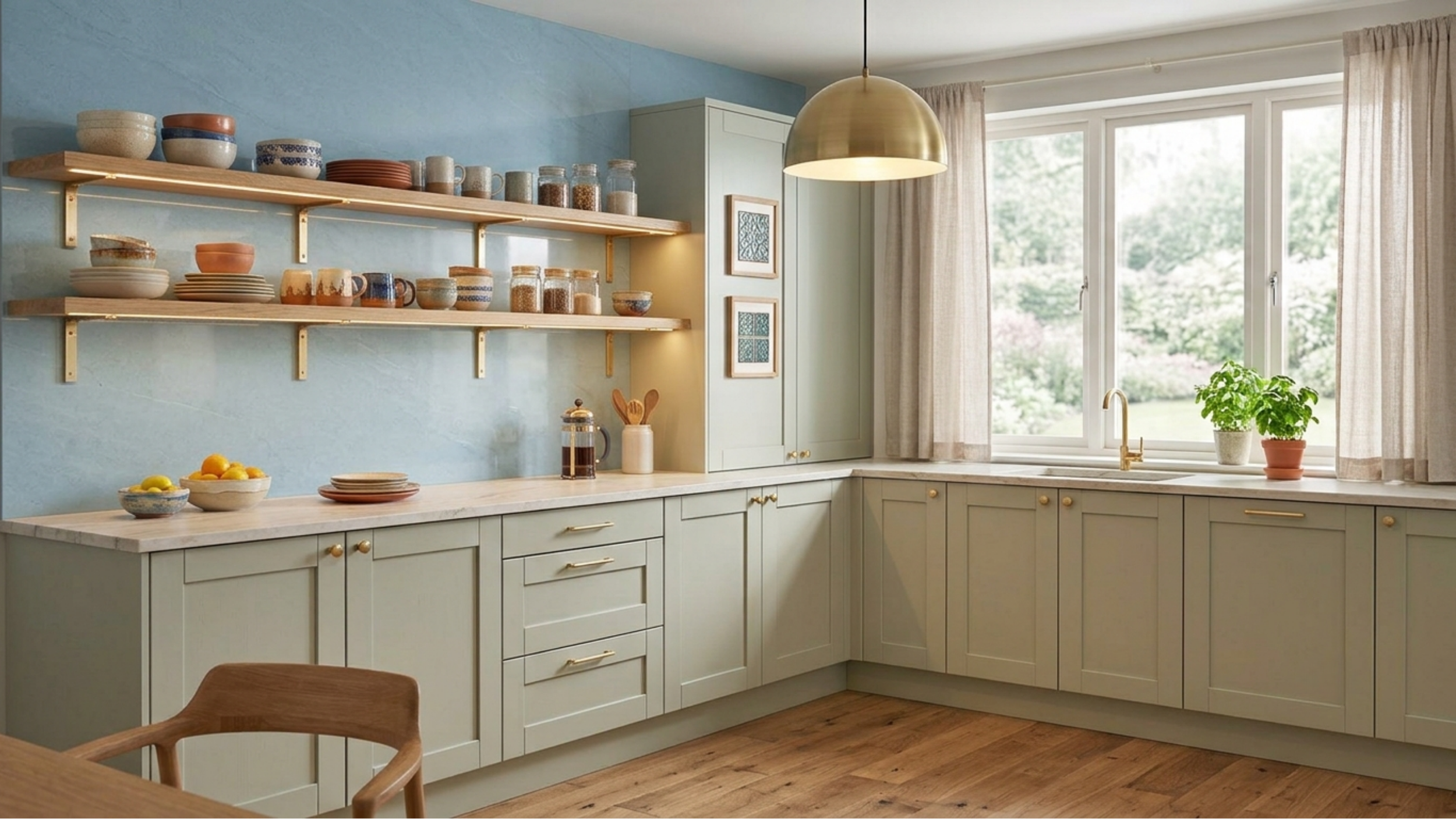
This is one of the newest conversations happening in wellness design circles. Instead of just choosing pretty materials, designers are starting to specify finishes, textiles, and furnishings based on what they release into the air over time. It's a natural next step from indoor air quality awareness, and it fits closely with how I already approach material selection, choosing healthier, lower-toxicity options and materials selected with health and sustainability in mind rather than whatever looks good and happens to off-gas quietly in the background.
4. Modern Heritage, mixing vintage pieces with new design
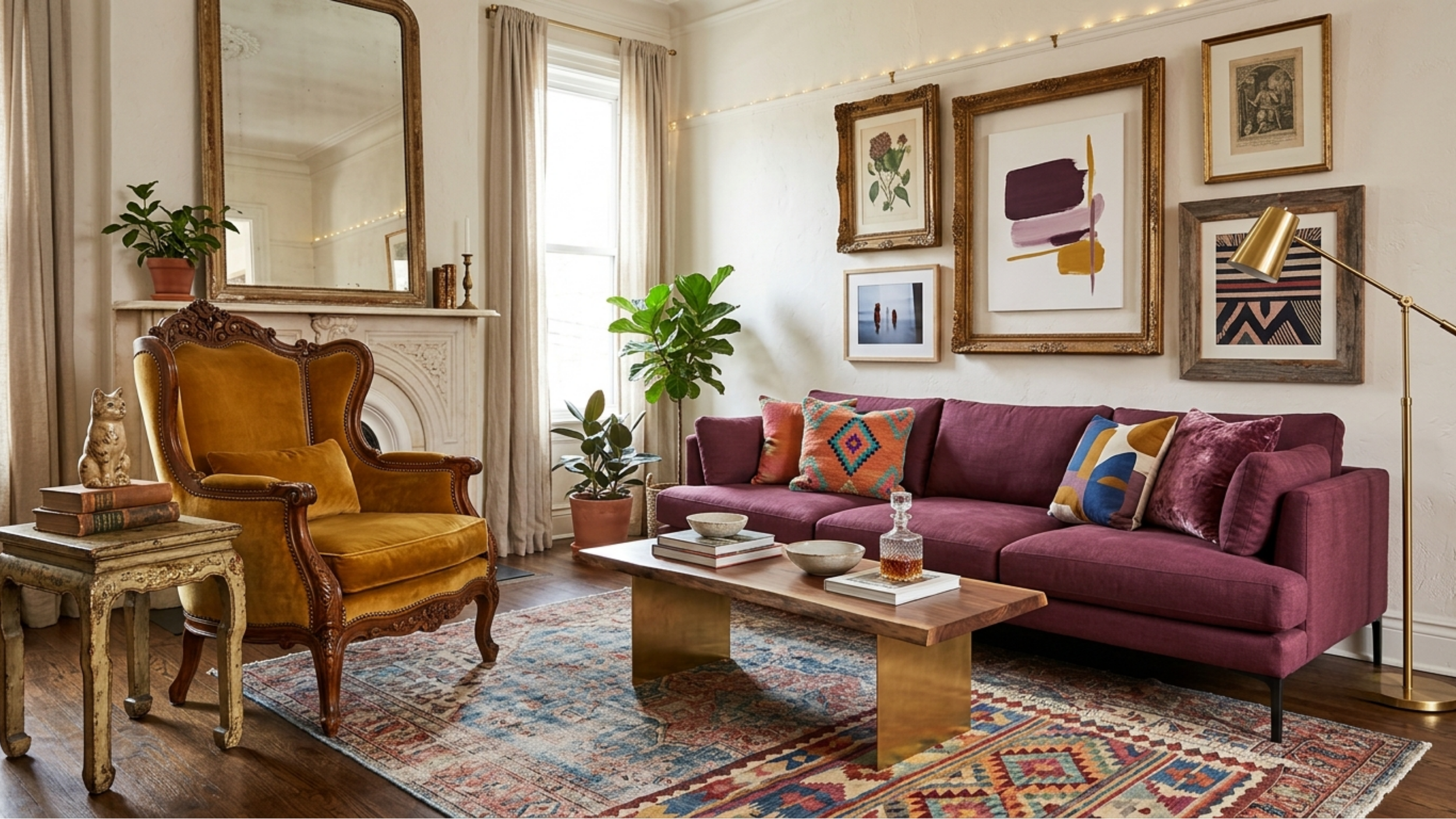
Modern Heritage blends inherited or vintage furniture with contemporary pieces so a home feels collected over time instead of purchased all at once. It's a meaningful shift for sustainable design because it keeps well-made older pieces in circulation instead of sending them to a landfill. A vintage credenza next to a new sofa, or a grandmother's dresser reworked with new hardware, tells a story a showroom set never will.
5. Tactile materials as the foundation, not the finishing touch
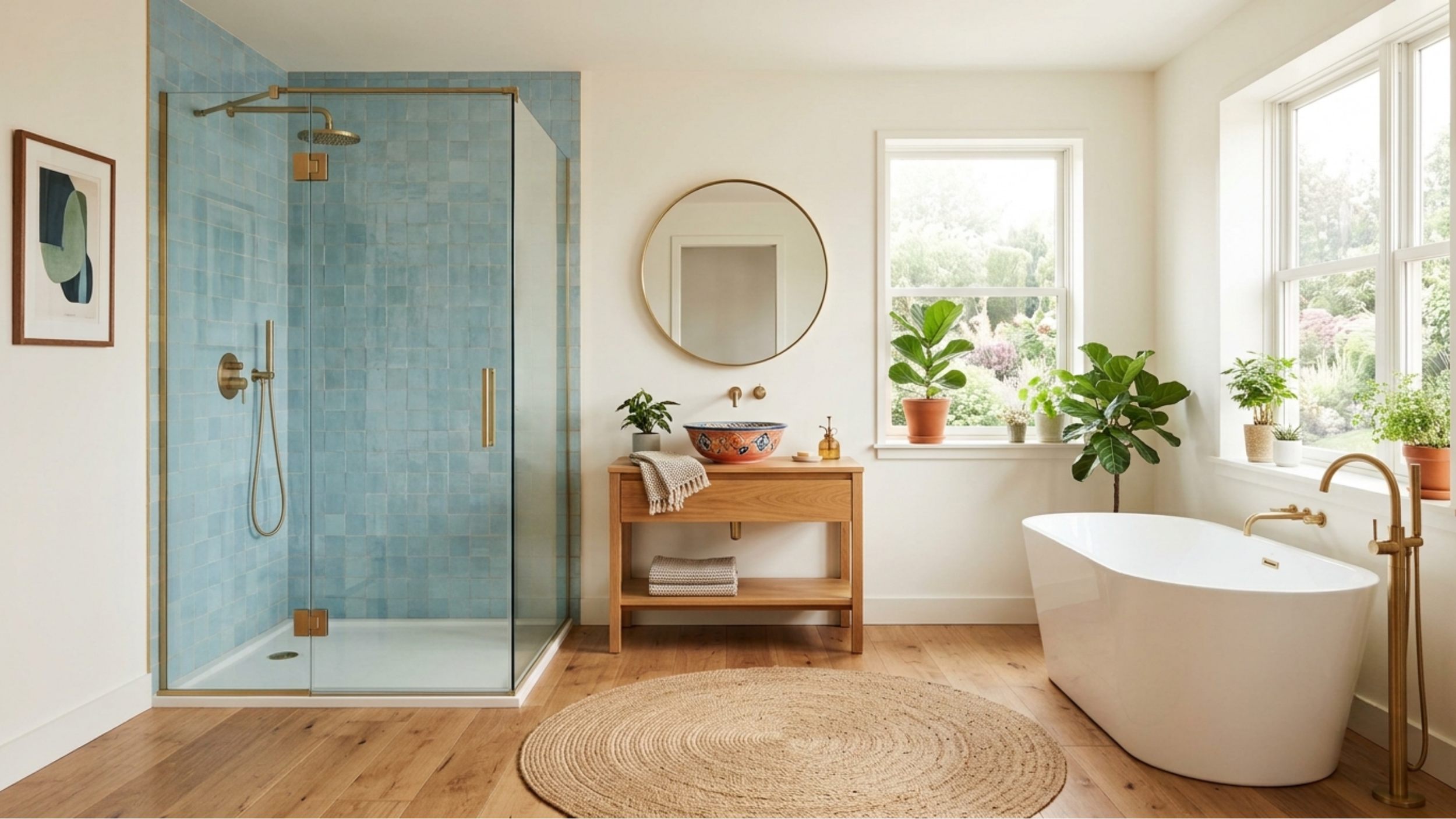
Natural materials like unlacquered metals, handmade tile, and textured wood used to be the accent in a room. Now they're becoming the starting point of the design itself. This shift toward material honesty pairs naturally with sustainable sourcing, since materials chosen for how they feel and age tend to be higher quality pieces that last decades instead of a few seasons.
6. Rightsizing, or homes built for how you actually live
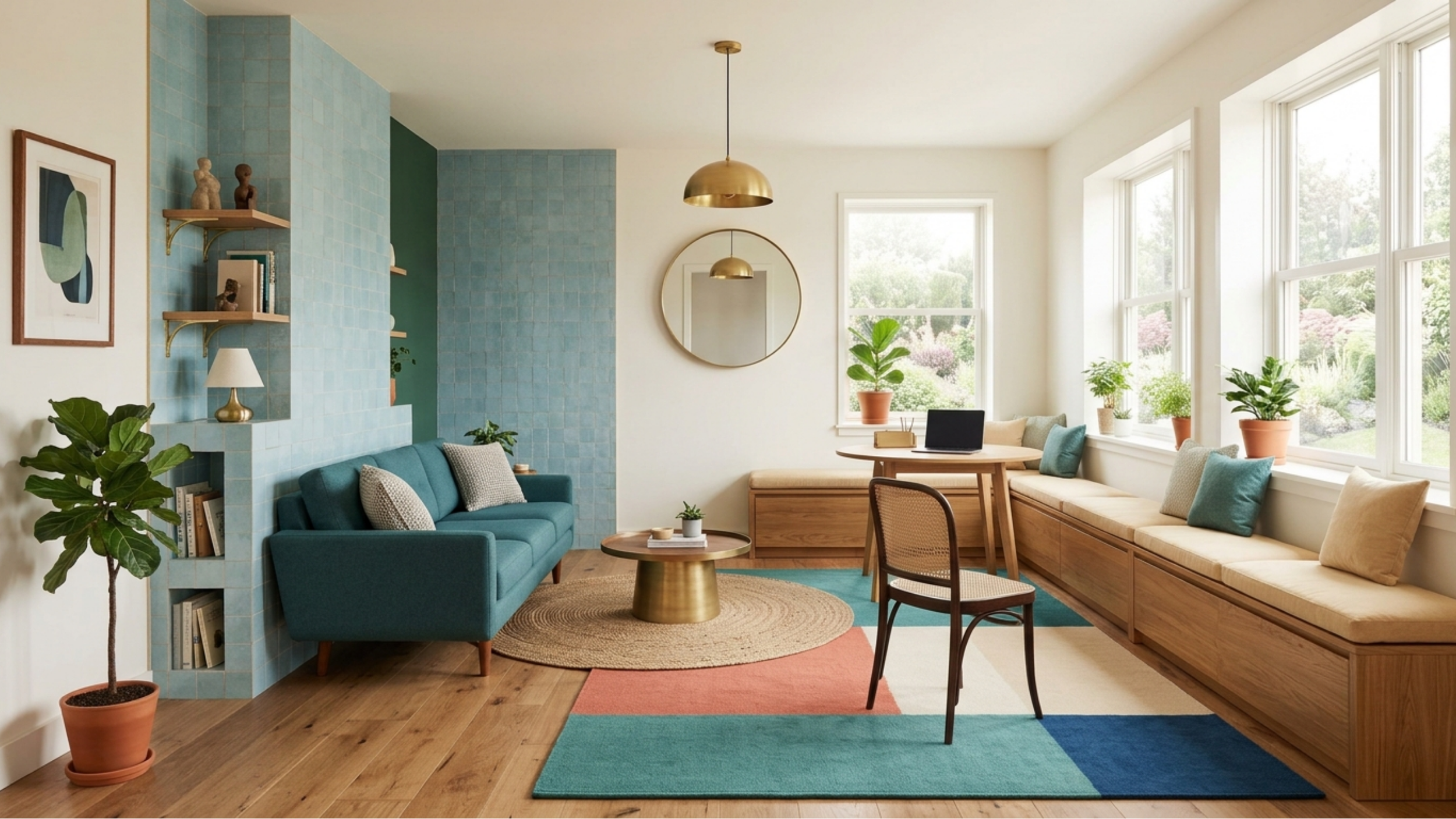
Rightsizing is the move away from "bigger is better" toward homes and rooms sized for how a person genuinely lives day to day. It shows up as smaller, more intentional primary suites, multipurpose rooms, and layouts that skip the formal spaces nobody uses. It's quietly one of the more sustainable shifts on this list, since a smaller footprint means fewer materials, less energy, and less to furnish and maintain.
7. Dedicated wellness rooms with a real purpose
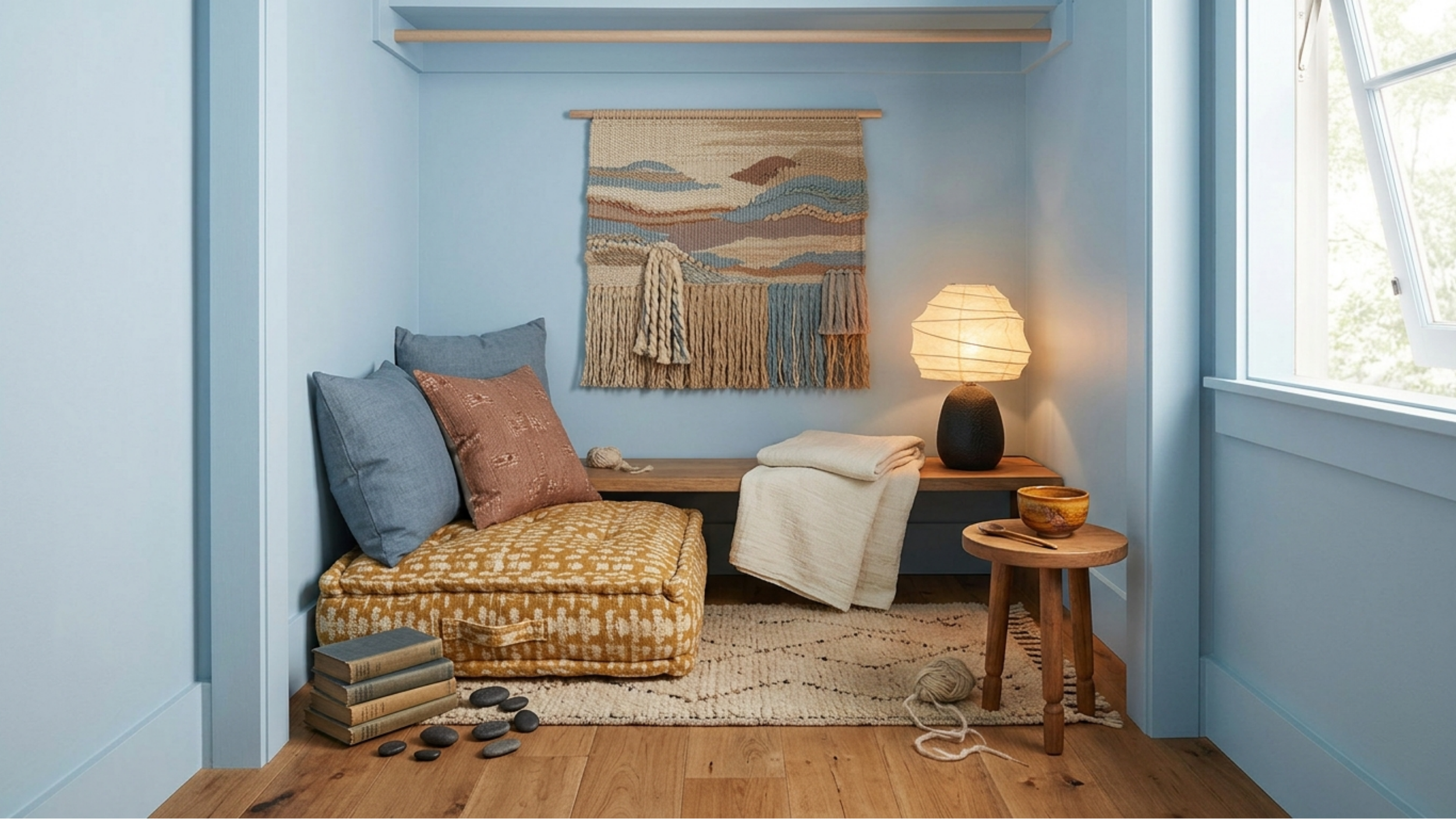
Homeowners are starting to carve out small dedicated spaces for stretching, meditation, cold plunge setups, or simply sitting in quiet. These aren't full home gyms. They're often a converted closet, a corner of a primary suite, or an underused nook, planned with the same intention as a kitchen or a bathroom. This one is easy to bring into an existing home without a major renovation, which makes it a trend worth acting on now rather than waiting.
8. Soundscape and acoustic wellness built into the home
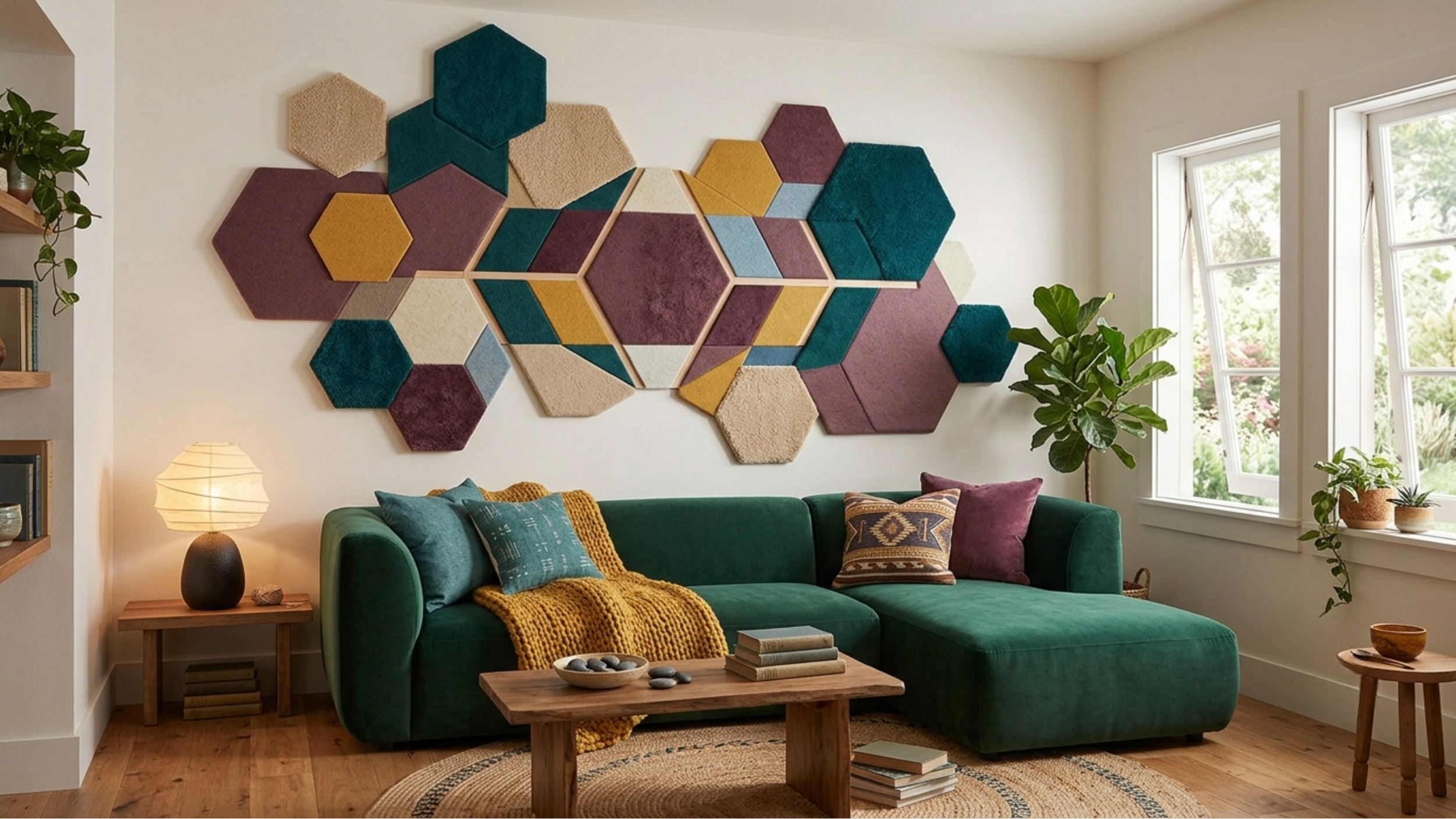
Sound is becoming part of how a room is designed, not an afterthought. That includes acoustic materials that soften hard surfaces, and simple built-in soundscapes that support focus or sleep. Combined with circadian lighting, this is part of a bigger shift toward homes that actively support the nervous system rather than just looking good in a photo.
9. Regenerative and full lifecycle material sourcing
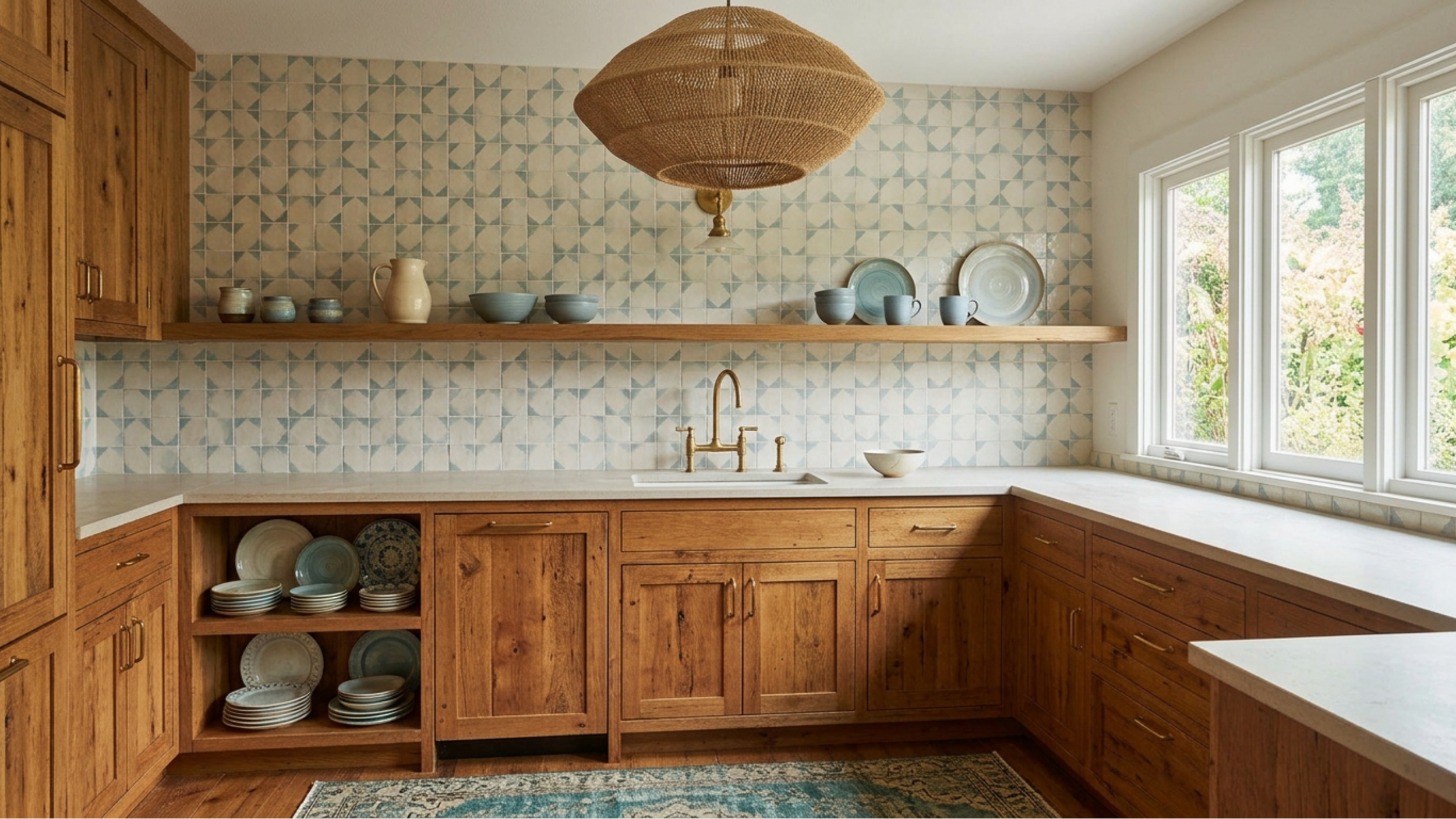
Instead of asking "does this material look sustainable," designers are starting to ask what a material's entire lifecycle looks like, from sourcing to how it ages to what happens when it's eventually replaced. This is a deeper, more rigorous version of sustainable design than what most homeowners have seen so far, and I expect it to become a real differentiator over the next couple of years as people get more educated about what "eco-friendly" actually means.
10. Iridescent, holographic finishes in muted, natural tones
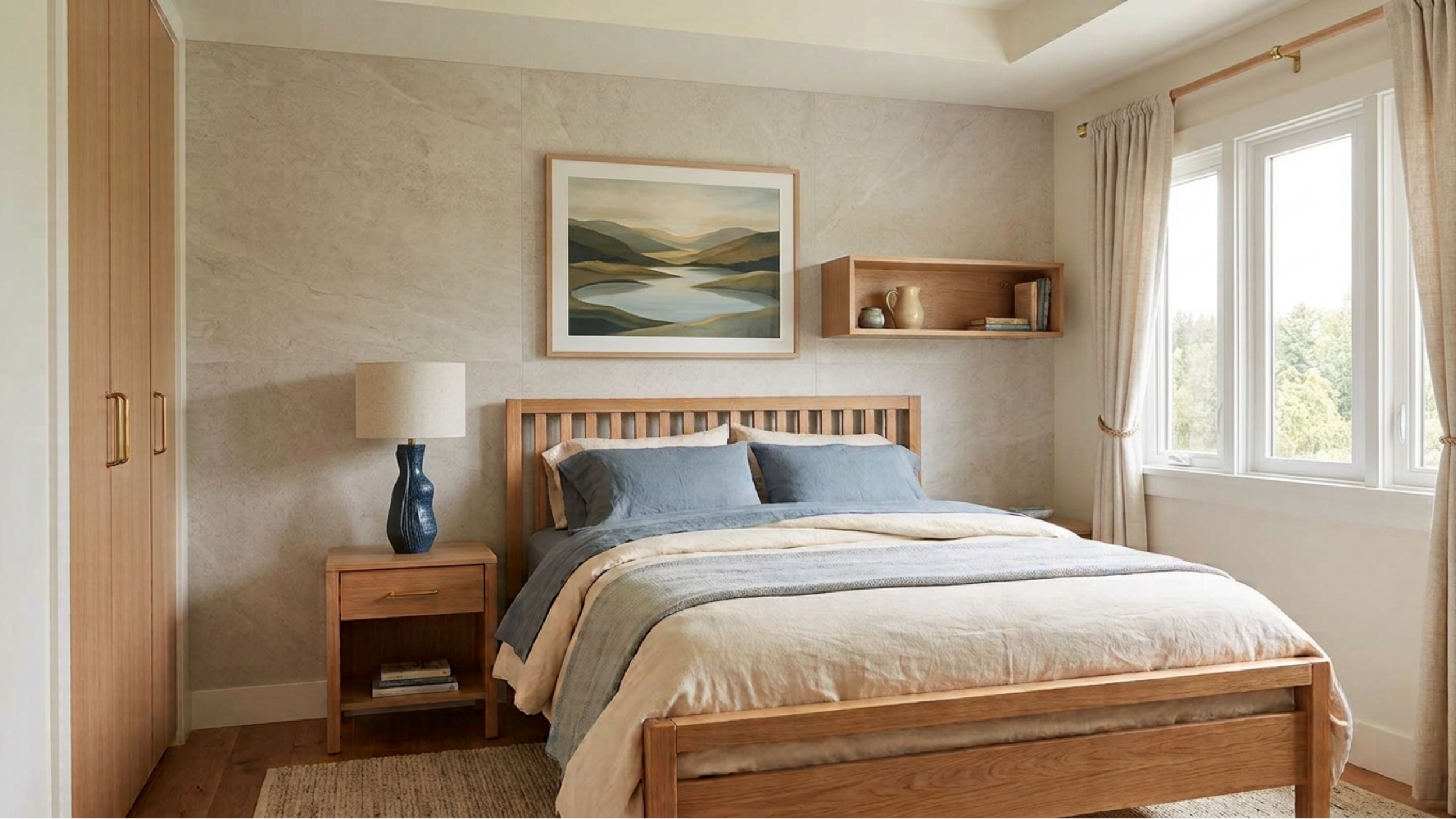
This one is the newest and most unexpected on the list. Soft iridescent greens, warm holographic blues, and metallics that shift subtly depending on the light are starting to show up as an alternative to flat matte finishes. It sounds like it could clash with a nature-inspired, sustainable aesthetic, but used sparingly, in a tile backsplash or a piece of hardware, it adds a quiet sense of movement to a room without feeling loud.
How do I start bringing these emerging trends into my own home?
You don't need to chase all 10 at once, and honestly, I wouldn't recommend it. Pick the one or two that solve a real problem in your home right now, whether that's a bedroom that never feels restful or a living room that feels flat and uninspired. Start there, choose materials selected with health and sustainability in mind, and let the rest evolve over time.
If you're local to Wilmington, I'd love to walk through your space in person and talk through what fits.
And if you're anywhere else in the country, my Virtual Design Service works the same way, just from wherever you are. We'll talk through your space, your goals, and which of these directions actually make sense for how you live.
A couple of quick questions
Are these trends practical for a normal home, or just showcase houses?
Most of them are very achievable in an everyday home. Circadian lighting can start with a few smart bulbs. A wellness nook can be a converted closet. Modern Heritage just means mixing in one or two vintage pieces you already love. You don't need a full remodel to start.What's the difference between biophilic design and neuroarchitecture?
Biophilic design focuses on bringing nature into a space through materials, plants, and light. Neuroarchitecture is a broader framework that looks at how a room's proportions, acoustics, and light all work together to affect your nervous system. Biophilic elements are often one of the tools neuroarchitecture uses.
