

When you're preparing to welcome holiday guests, there's usually a lot happening in the kitchen. The oven is on, several burners are going, something is frying, and delicious aromas are coming from every direction.
It's part of what makes holiday gatherings special. But while we're busy preparing a beautiful meal, there's something we don't always think about: the quality of the air inside our homes.

Cooking can release fine particles, smoke, grease, moisture, and other pollutants into the air. Depending on the cooking method, ingredients, and appliances being used, these emissions can build up indoors. And if your kitchen connects to your dining room or living area, cooking emissions may travel into the spaces where your guests are spending time.
So, how can you enjoy holiday cooking while being more mindful of the air inside your home?
It starts with two simple ideas: reducing pollutants at their source and using proper ventilation.
1. Start With the Source, Not the Fragrance
When we think about fresh indoor air, we often think about candles, diffusers, room sprays, or scented decorations.
A welcoming scent can make a home feel inviting, especially during the holidays. But adding fragrance does not remove cooking pollutants from the air. It can simply cover up unwanted odors while leaving the original source unaddressed.
Instead, focus on reducing what gets released into the air in the first place. This is called source control.
Here are a few practical things you can do while preparing your holiday meal:
Avoid letting food burn or smoke unnecessarily.
Use lower cooking temperatures when the recipe allows.
Cover pots and pans when appropriate.
Clean up spills before they burn onto the stovetop.
Keep cooking appliances and surfaces clean.
Be mindful of how many scented products you're using while cooking.
For example, if you're preparing several dishes at once, keep an eye on the stovetop while the oven is in use. Avoid allowing oil to overheat, cover simmering pots when practical, and clean spills as they happen.
These small habits help reduce cooking-related pollutants before they spread throughout your home.
2. Give Your Kitchen Exhaust Fan the Attention It Deserves
Your kitchen range hood is not just there to remove cooking smells. A properly functioning kitchen exhaust fan can help remove cooking-related particles, fumes, and moisture from your home.
However, not all range hoods work the same way.
A range hood that vents air outdoors is generally more effective at removing cooking emissions than one that simply filters and recirculates air back into the kitchen.
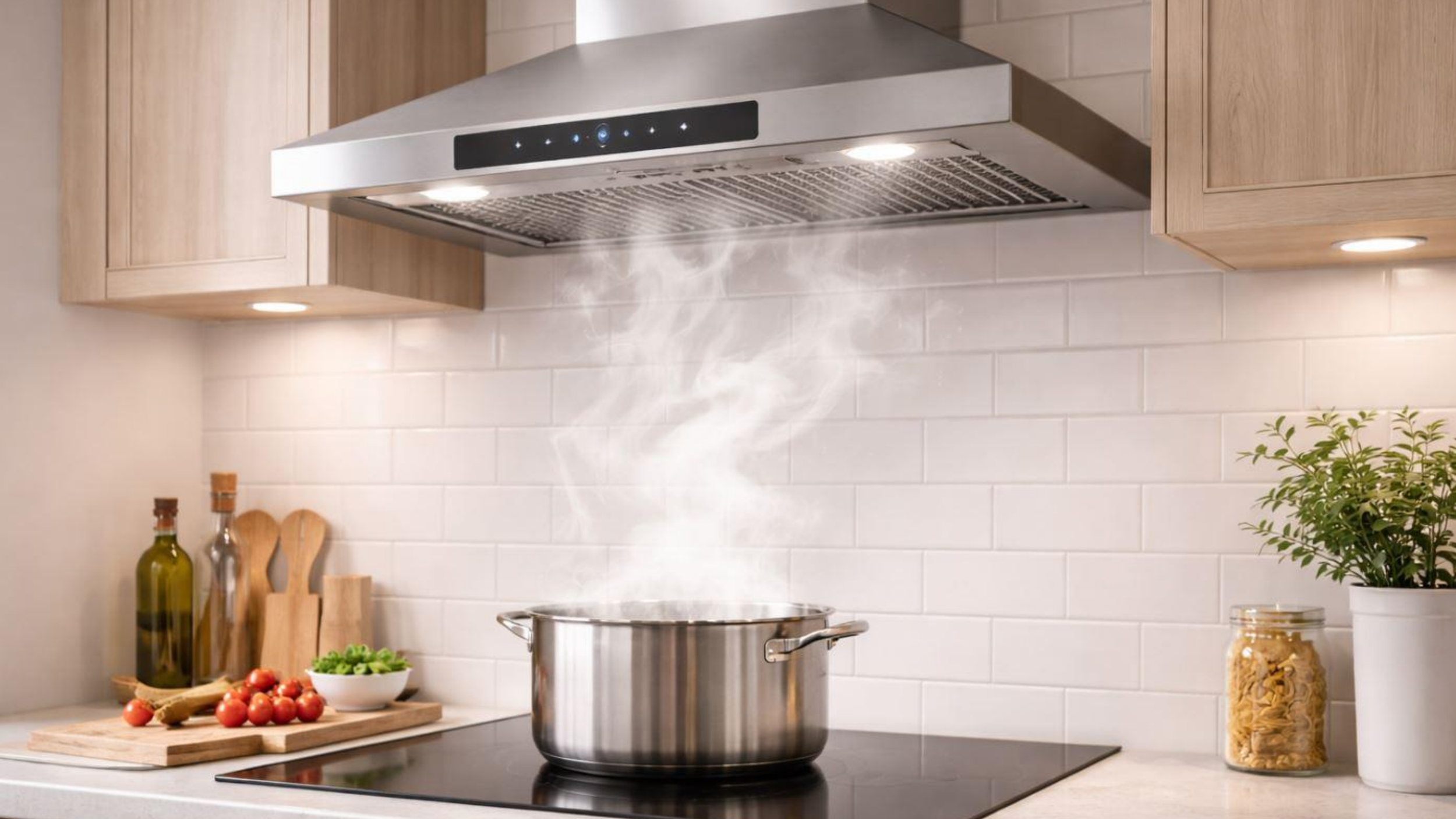
If you're unsure which type you have, check whether your range hood connects to ductwork that carries air outside or whether it uses filters and returns air to the room.
When preparing a large holiday meal, make it a habit to:
Turn on your range hood whenever you're cooking.
Use the back burners when possible. They are often better positioned under the hood for capturing cooking emissions.
Choose an appropriate fan setting for the amount of cooking.
Keep the fan running for 10 to 20 minutes after cooking.
Clean grease filters regularly, following the manufacturer's instructions.
These are practical recommendations from the U.S. Environmental Protection Agency (EPA).
There's another detail worth considering: noise.
If your kitchen exhaust fan is so noisy that you rarely use it, it may be time to reconsider its importance to your everyday indoor environment. Ventilation is something you should be able to use comfortably and consistently, not just when cooking becomes smoky.
When planning a kitchen renovation, consider the ventilation system alongside your cabinetry, appliances, lighting, and finishes. A beautiful kitchen should also work well for the people using it.
3. Give the Air Somewhere to Go
Ventilation is another important part of maintaining indoor air quality.
When cooking creates more pollutants indoors, bringing in outdoor air and exhausting indoor air can help dilute and remove them.
If your kitchen doesn't have a range hood that vents outdoors, don't assume you're out of options. Depending on outdoor air quality, weather, and safety, you can:
Open a nearby window or exterior door to bring in fresh air.
Use a window or wall exhaust fan to move indoor air outdoors.
Create gentle airflow through the kitchen when conditions allow.
Consider a properly sized portable air cleaner that does not intentionally produce ozone.
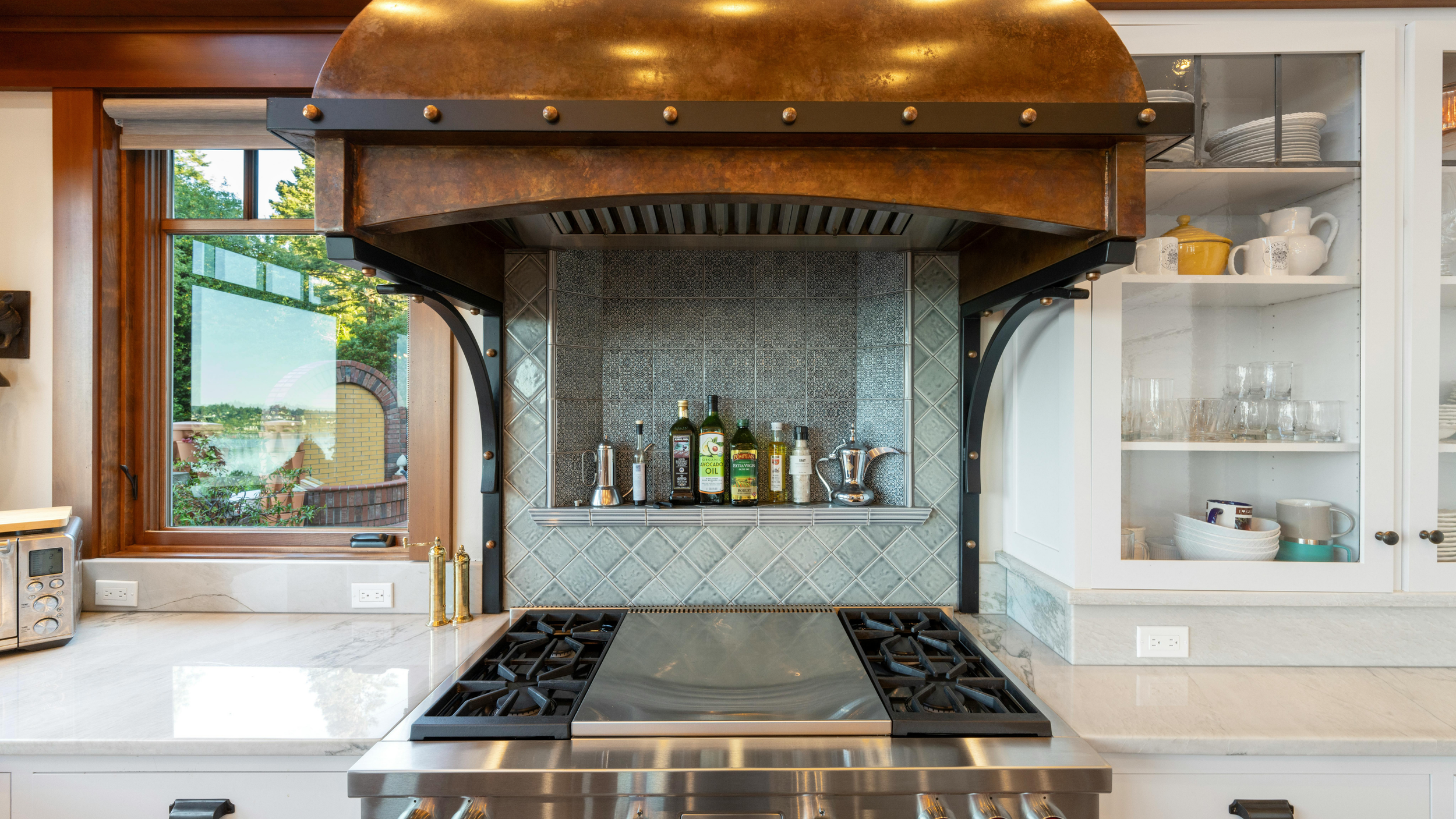
One important reminder: opening a window is not always the right choice. If outdoor air quality is poor, or the weather makes it impractical, consider other ventilation and filtration options.
The goal is to make thoughtful decisions based on your home's needs and conditions.
For example, if you're hosting dinner on a cold evening, you may not want to keep the windows open while guests are gathered in the living room. You can still use your kitchen exhaust fan while cooking and afterward. A properly sized portable air cleaner may also help reduce airborne particles in the shared living area.
Remember that an air cleaner is an additional tool, not a replacement for source control and proper ventilation.
4. Don't Forget the Rest of Your Home
Many homes have an open-concept layout. The kitchen, dining room, and living room often share one connected space.
It's wonderful for entertaining, but it also means cooking emissions can move into the areas where your family and guests are spending time.
This is why airflow deserves consideration as part of your overall home design.
If you're planning a kitchen renovation or updating your home's ventilation, consider these questions:
Where is your kitchen positioned in relation to your living spaces?
Does your range hood actually exhaust outdoors?
Is your ventilation system working properly?
Are there practical ways to improve airflow without compromising comfort?
Are your kitchen exhaust filters being maintained?

These details are worth thinking about before making design decisions. The placement of your kitchen, the ventilation system, and the way your living spaces connect can all influence how your home functions.
A beautiful kitchen should not only look good. It should also support the comfort and wellbeing of the people who use it.
5. Your Pre-Cooking Holiday Ventilation Checklist
Before holiday cooking begins, take a few minutes to prepare your kitchen. This simple checklist can help you be more mindful of indoor air quality while getting your home ready for guests.
Before cooking:
Check that your range hood is working.
Clean the hood's grease filter if needed.
Check whether the exhaust system vents outdoors, if applicable.
Open windows or doors if outdoor conditions permit.
Make sure your kitchen exhaust fan is accessible and ready to use.
Reduce unnecessary candles, incense, and scented products.
While cooking:
Turn on the range hood.
Use the back burners when possible.
Avoid burning or heavily charring food.
Use lids when appropriate.
Keep an eye on smoke and cooking temperatures.
After cooking:
Leave the exhaust fan running for another 10 to 20 minutes, when following the EPA guidance for your system.
Clean up spills and food residue.
Allow appropriate ventilation to continue when outdoor conditions permit.
Small habits can make a difference in how thoughtfully we manage our indoor environment.
A Healthier Home Is About the Little Things We Do Every Day
When we talk about wellness-centered interior design, it doesn't mean every home needs a complete renovation or expensive upgrades.
Sometimes, it starts with understanding how your home works.
The materials we choose, the way we arrange our spaces, the lighting we use, and even the way we ventilate our kitchens all play a part in creating a more comfortable living environment.
You don't have to give up your favorite holiday recipes, family traditions, or the beautiful aromas that make this season feel special. You simply need to be a little more intentional about the air you and your loved ones breathe while enjoying them.
Because a welcoming home isn't just about how beautiful it looks or how wonderful it smells. It's also about how thoughtfully it supports the people who live in it.
If you're considering a kitchen update or want to make thoughtful improvements throughout your home, explore Go Green Fine Interiors or you may book your discovery call. Discover how wellness-centered interior design can help create a home that supports your everyday comfort and wellbeing.
Source note: This article was adapted and expanded for homeowners from Judy Cossette's November 24, 2026 LinkedIn article, Holiday Cooking and Indoor Air: A Practical Ventilation Plan for a Healthier Home.
