

The Biggest Interior Design Trend of 2027 Isn't a Color or Style. It's Homes That Work Harder for the People Living in Them.
Every year around this time, the same question starts showing up in my inbox and in my DMs: what color is trending next year? It's a fun question. It's also not the one that will actually affect your home, your budget, or how you feel living in it.
Here's the question almost nobody is asking, and the one I think matters most heading into 2027: does your home actually work for the way you live right now?
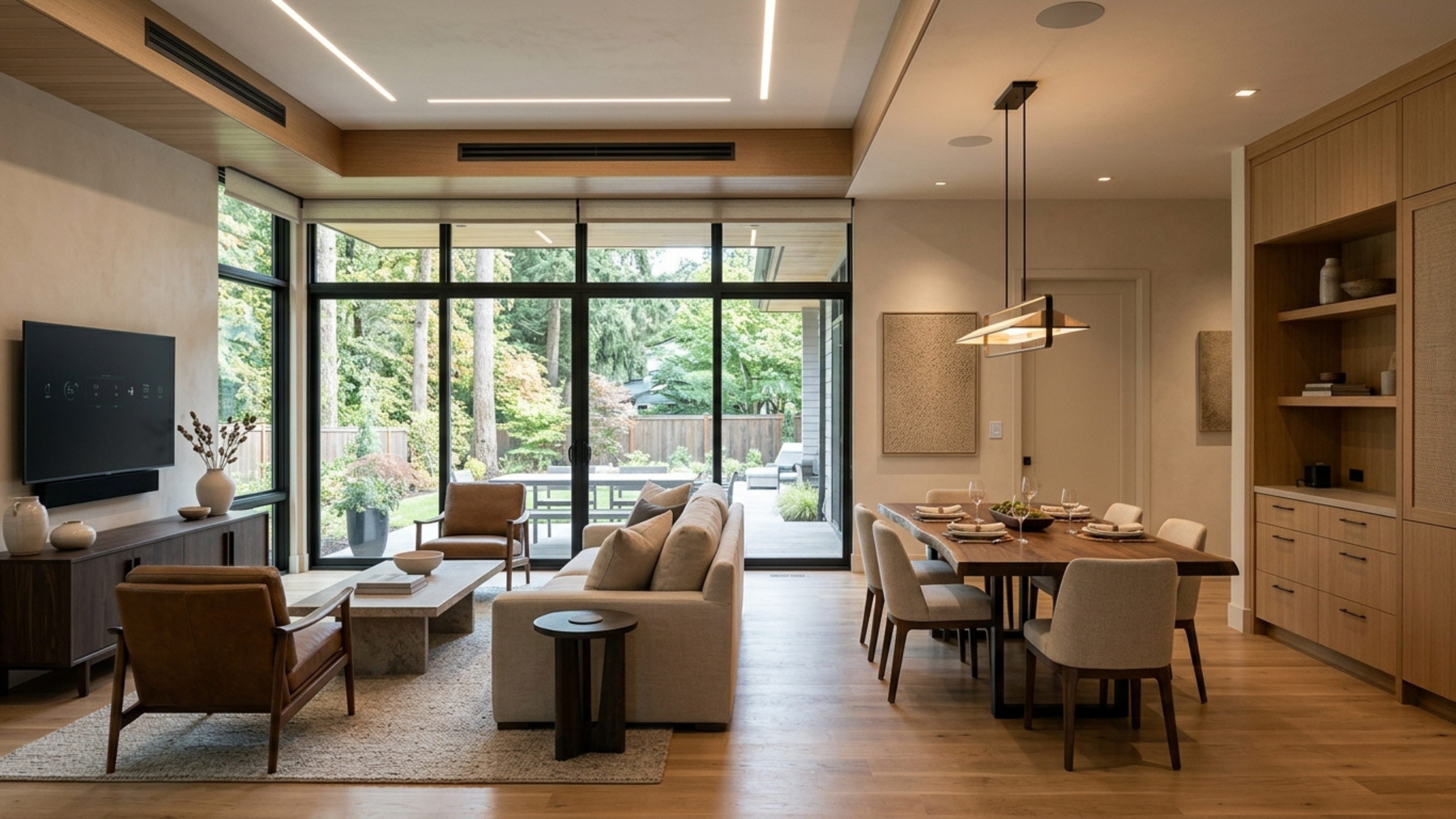
What is the biggest interior design trend for 2027?
The biggest shift in interior design trends 2027 isn't a color, a fabric, or a furniture silhouette. It's lifestyle-driven design: homes built around flexibility, wellness, sustainable materials, and layouts that adapt as your life changes. Paint colors and furniture shapes will keep cycling the way they always have. What's different now is that homeowners are done chasing them. They want spaces that solve real problems, not spaces that photograph well for a season and then feel dated.
I've been doing this work as a Certified Sustainable Interior Designer for a long time, and I can tell you the clients who are happiest five years later are never the ones who chased a trend. They're the ones who built around how they actually live.
Why are homeowners moving away from trend-driven design?
Homeowners are tired of decision fatigue and the cost of guessing wrong. Chasing a color palette or a furniture style that's popular this year means redoing that work in three years when the look feels stale. That's expensive, it's exhausting, and it rarely improves how a home actually functions day to day.
I hear this constantly from clients before we start working together: too many options, not enough clarity, and a nagging fear that whatever they choose will look dated before they've even paid it off. That fear is valid. Trend cycles have gotten faster, not slower, and a home that's designed only to look current in this moment is a home that ages out of style almost immediately.
The shift toward lifestyle-driven design solves that problem at the root. When a room is built around a real need such as flexible work-from-home space, better rest, cleaner air, or a layout that supports aging in place, it doesn't go out of style. It just keeps working.
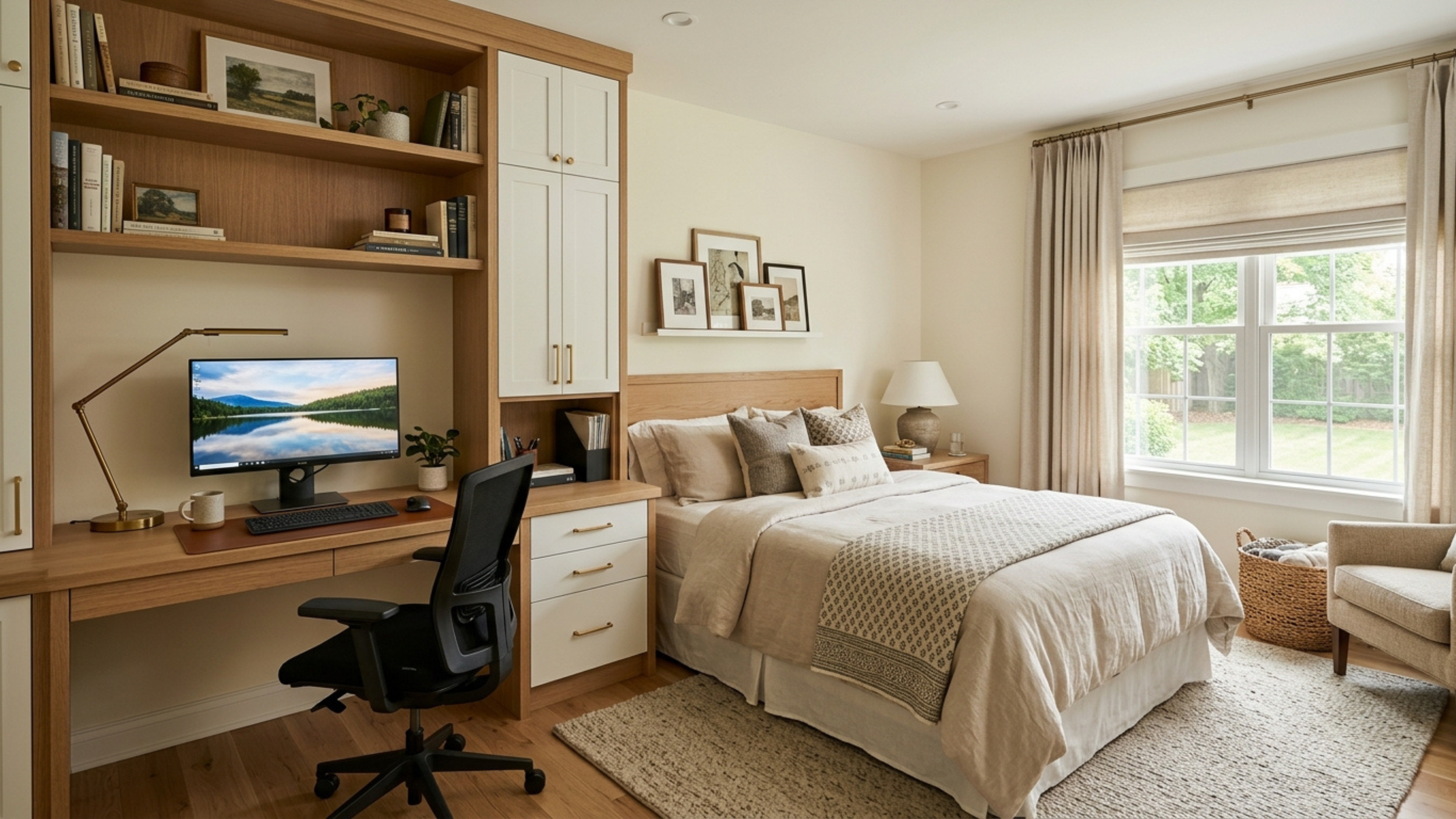
What does flexible home design actually look like?
Flexible home design means rooms that can shift function as your life changes, without a full renovation. Think a guest room that converts to a home office with the right furniture choices, a mudroom that doubles as a homework station, or a primary suite layout that can accommodate mobility needs down the road without looking clinical.
This isn't new in concept. What's changed is how intentional it's become. Homeowners are asking design questions earlier: not just "what does this room look like," but "what will I need this room to do in five years." That single question changes almost every decision that follows, from where an outlet goes to how wide a doorway needs to be.
How does wellness design fit into the 2027 shift?
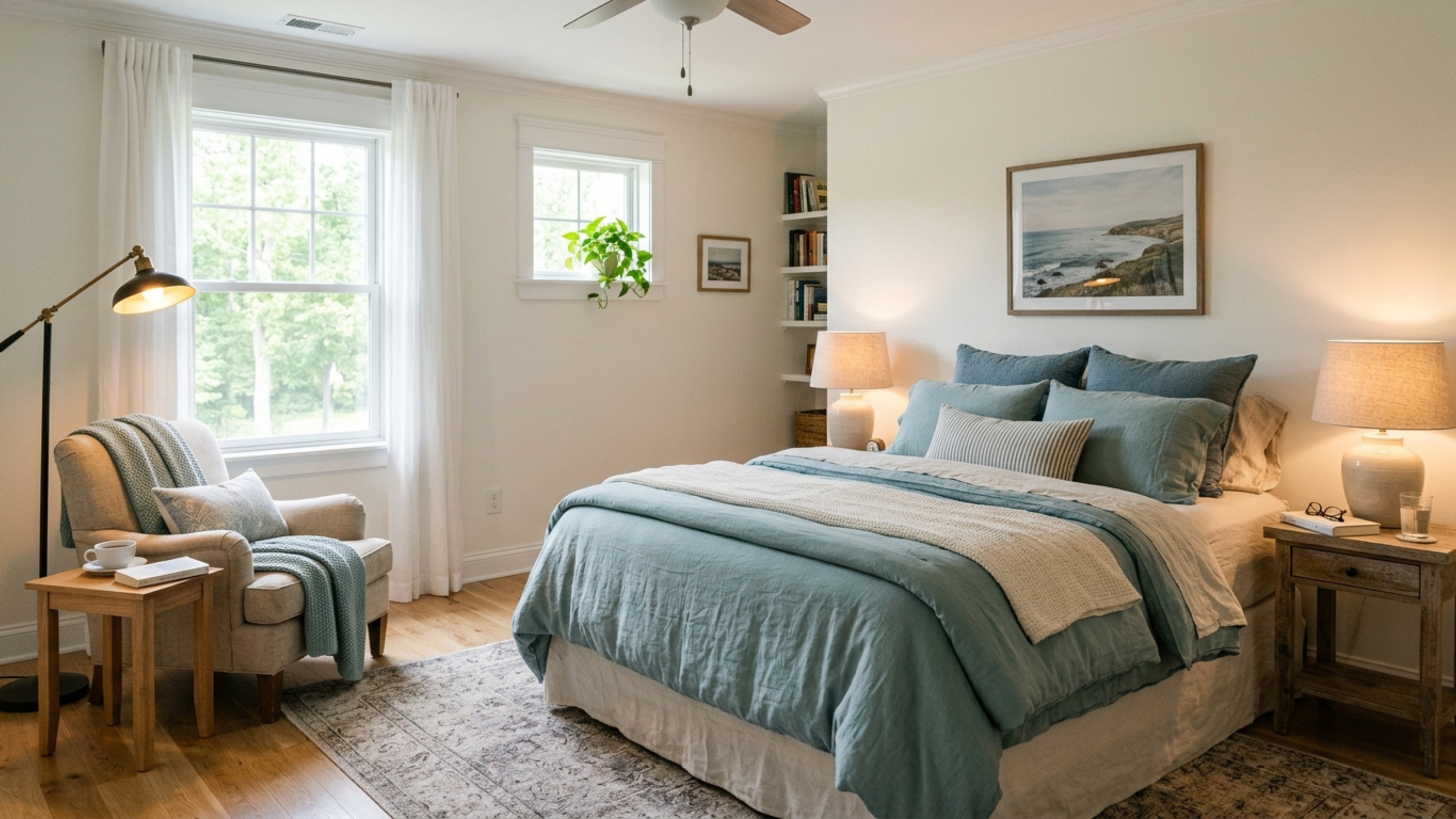
Wellness design trends for 2027 center on air quality, natural light, acoustic comfort, and materials selected with health in mind, not just aesthetics. This is where sustainable design and wellness design overlap almost completely, and it's a big part of why I do the work I do.
A home can be beautiful and still work against you if it's full of poor air circulation, harsh lighting, or materials off-gassing into the air you breathe every day. That's not a trend. That's basic human biology, and homeowners are catching on. More of my consultations now start with a client asking about materials selected with health and sustainability in mind before we ever talk about color.
Practical wellness moves I'm seeing more of heading into 2027:
Layered, adjustable lighting instead of one harsh overhead source
Quiet zones built into open layouts, not just open concept for its own sake
Textiles and finishes chosen for lower-toxicity impact on indoor air
Views to the outdoors prioritized in furniture placement, not an afterthought
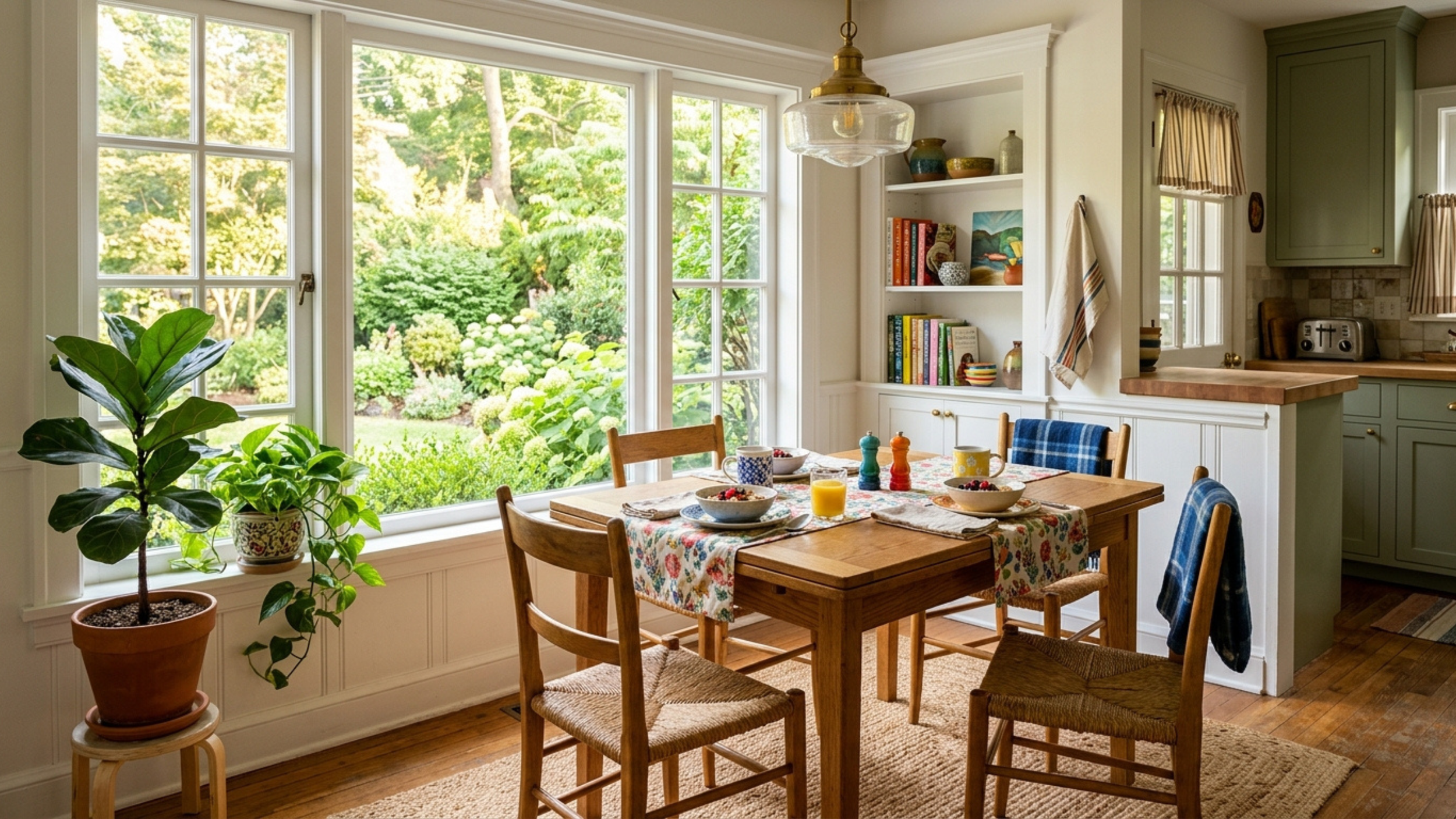
What is biophilic interior design and why does it keep growing?
Biophilic interior design brings natural elements such as light, greenery, natural materials, and outdoor connection into a home, and it continues to grow because the research keeps backing it up. This isn't a passing aesthetic. Study after study connects exposure to natural elements with lower stress and better focus, and homeowners are finally designing around that instead of around a magazine spread.
Done well, biophilic design isn't about filling a room with plants. It's about material choices, light sources, and sightlines that keep you connected to the outdoors even when you're inside. That's a principle that ages well no matter what color is popular next year.
Why is aging in place design becoming a bigger part of interior design trends 2027?
Aging in place design is growing because more homeowners want to plan for the long term instead of renovating twice: once now, and again when their needs change. This used to be a conversation reserved for clients in their later years. Now I'm having it with people in their 40s and 50s who simply don't want to move, and don't want to face a disruptive remodel down the road.
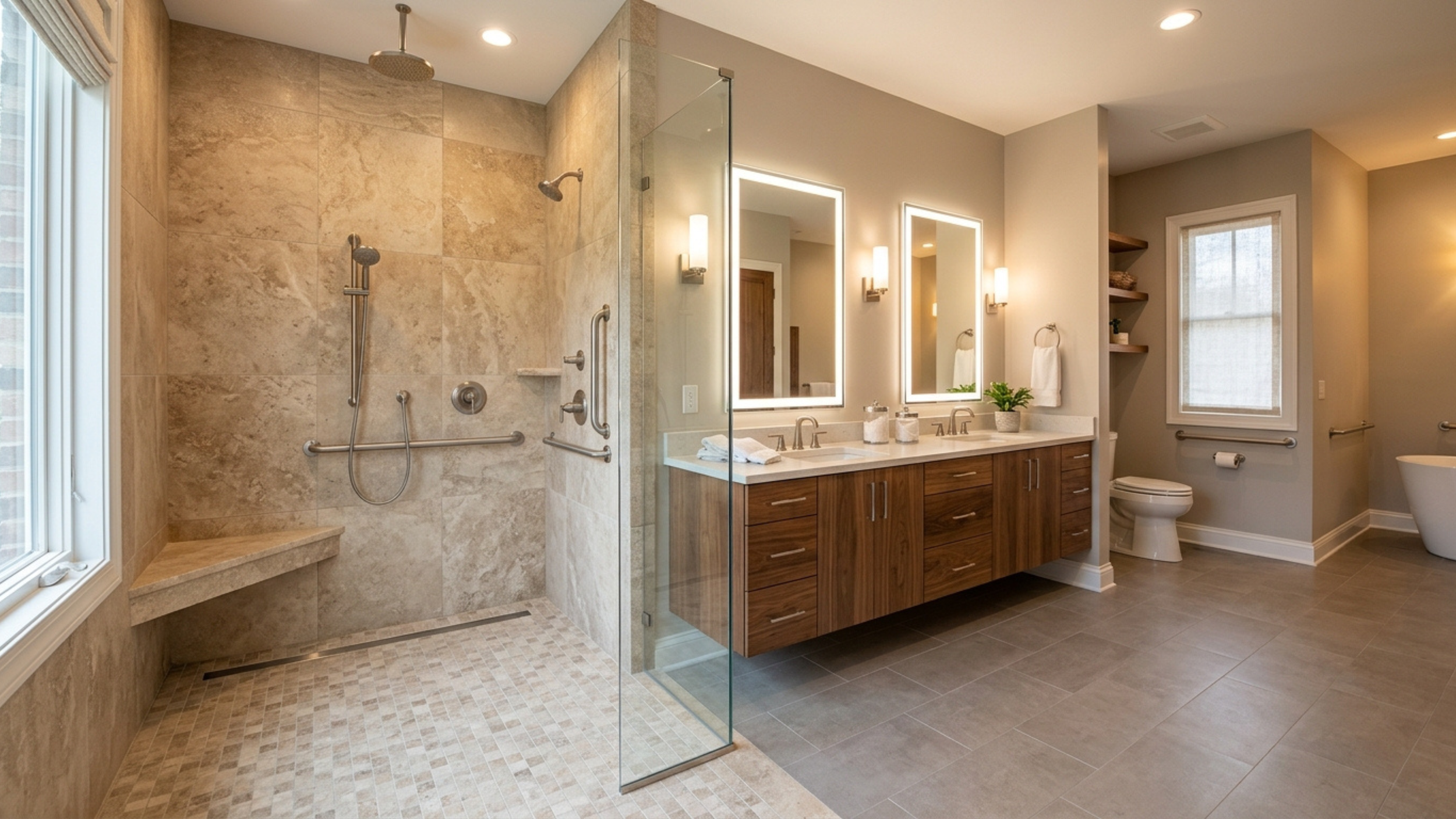
Smart aging in place choices, like zero-threshold showers, wider doorways, and primary bedrooms on the main floor, can be built in now without the space feeling institutional. Good design solves for function and beauty at the same time. That's the whole point.
How does sustainable home design connect to all of this?
Sustainable home design and lifestyle-driven design are really the same conversation. A home built with durable, thoughtfully sourced materials and a layout that won't need to be gutted in five years is, by definition, a more sustainable home. Longevity is sustainability. A room you don't have to redo is a room that isn't heading to a landfill.
This is where I'd push back gently on the idea that sustainability means sacrifice. It doesn't. It means making fewer, better decisions the first time, which also happens to save money and stress in the long run.
Do smart home features still matter in 2027?
Yes, but the smart sustainable homes trend for 2027 is less about gadgets and more about systems that support both efficiency and daily life: automated lighting, better insulation choices, and climate control that reduces waste without requiring you to think about it. The homes that feel the most "future-ready" right now aren't the ones with the most tech. They're the ones where the tech disappears into the background and just makes life easier.
How do I start designing a home that will still work in five years?
Start with function before finish. Before you choose a paint color or a sofa, get clear on how each room actually needs to serve your life now and in the near future. That single shift in order of operations prevents most of the expensive redos I see.
A few starting questions I walk every client through:
What does this room need to do for you in daily life, not just look like?
What will change in this space in the next five to ten years?
Which materials in this room affect your air quality and comfort?
Where does natural light already exist, and how can the layout work with it instead of against it?
Answering those honestly will get you further than any trend forecast.
Working with a virtual interior designer
If you're not local to Wilmington, that doesn't mean you're stuck making these decisions alone. Through my Virtual Design Service, I work with homeowners across the country who want a real plan built around how they live, not a Pinterest board that never turns into anything. We start with the same questions I ask every in-person client: what does this space need to do for you, and how do we build that in a way that lasts.
Your room does not need more random purchases. It needs a strategy. If you're ready to design a home that works harder for the way you actually live, let's talk. Book a consultation or explore the Virtual Design Service to get started.
A note on sourcing and process: All materials recommendations reflect healthier, lower-toxicity choices selected with health and sustainability in mind, consistent with Judy Cossette's approach as a Certified Sustainable Interior Designer and member of NKBA and the Sustainable Furnishings Council
