

The Things I Would Never Put in a Sustainable Home (And Why)
Why a Sustainable Interior Designer Says No to Trends, Toxins & Temporary Choices
It wasn't about spreadsheets or strategy. It was about my family's health.
I walked into a newly furnished home one afternoon and felt it immediately…that chemical thickness in the air, the kind that made my eyes water and my lungs feel tight. Later, I learned what I was breathing: formaldehyde from particleboard, VOCs from synthetic finishes, plastic offgassing into the air we slept in. I realized our homes weren't supposed to feel like factories. And I realized the design industry was selling us comfortable lies.
That day marked a turning point. I became a certified sustainable interior designer not because "eco-friendly" was trendy, but because I couldn't unsee the problem. Now, after years of designing homes that actually support, rather than undermine, the people living in them, I've learned what truly matters.
What you choose not to bring into your home is just as powerful as what you do.
Sustainable design isn't perfection. It isn't guilt. It's awareness. It's a series of thoughtful choices that compound into a space that feels calmer, healthier, and genuinely aligned with how you want to live. As someone who works with high-end homeowners across Wilmington, NC and beyond, I've seen what works and what doesn't. I've also learned what to refuse, no matter how appealing the shortcut looks.
Let me share what's on my "never again" list for sustainable home design.
1. Fast Furniture That's Built to Fail (Not Designed to Last)
You know the type. It arrives beautifully boxed, looks good in a magazine spread, and starts sagging within 18 months.
I'm talking about fast furniture, the mass-produced, budget-friendly pieces that prioritize price over durability. From a design perspective, they look like wins: affordable, trendy, easy to replace. From a sustainability perspective? They're disasters.
Here's what's actually happening inside that $400 sectional:
Particleboard held together with industrial glue. No solid wood joinery. No craftsmanship. Just compressed wood shavings bonded with adhesives that can off-gas for years.
Upholstery stitched, not built. When the fabric tears (and it will), you can't repair it. The entire piece goes to a landfill.
The cycle perpetuates. Fast furniture trains us to see our homes as temporary, as spaces we decorate, discard, and redecorate every few years. That mindset is the opposite of sustainable design.
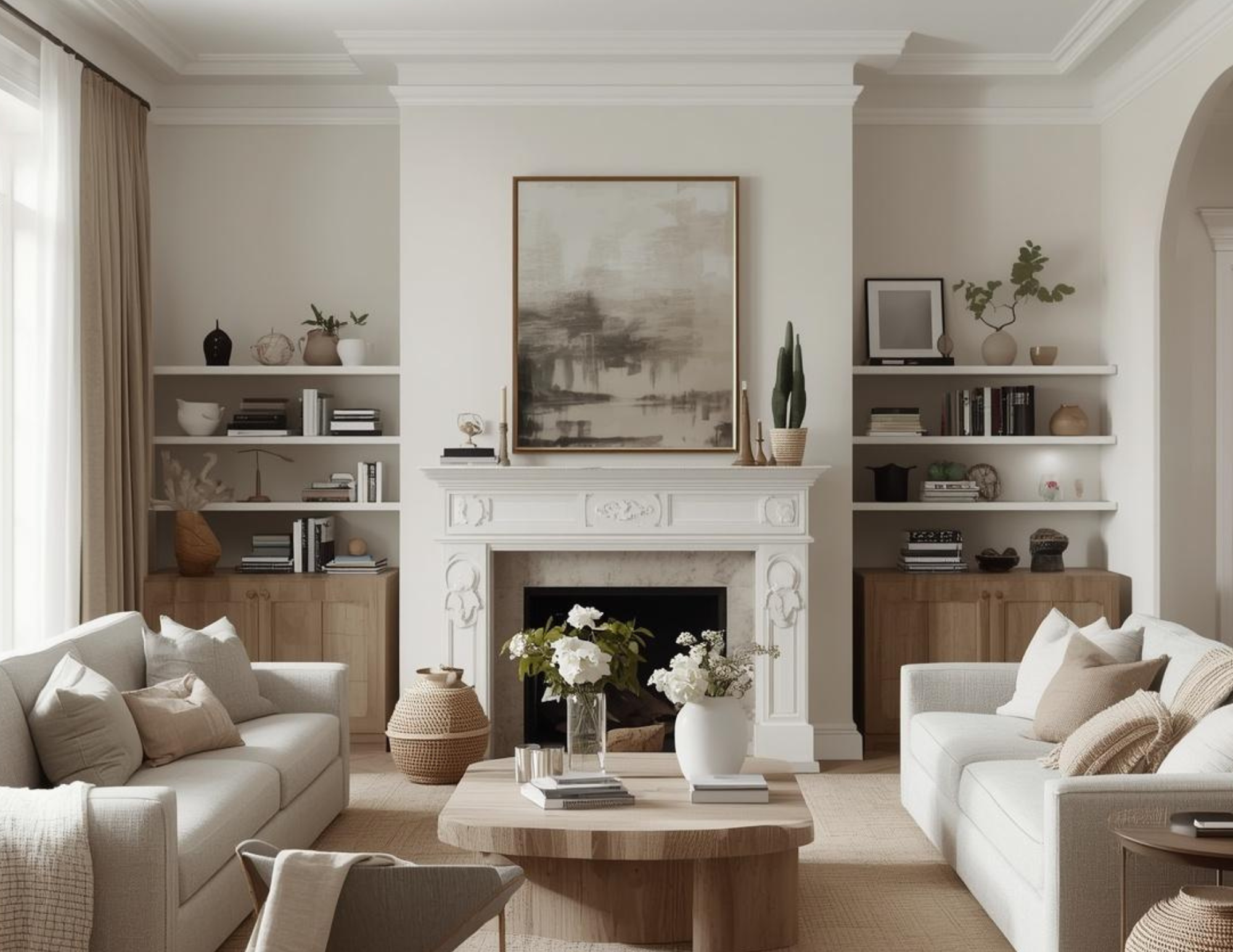
A Better Choice for Sustainable Homes
I guide every client toward solid wood construction, repairable upholstery, and timeless silhouettes. Invest in fewer pieces. Choose quality. Let them age.
That heirloom sofa your grandmother owned? That's sustainable design. It's built to be repaired, restored, and passed down. It doesn't ask you to start over every trend cycle.
Real talk: Sustainable design isn't about spending more upfront. It's about buying fewer, better things and keeping them longer
2. Synthetic Materials That Off-Gas Into the Air You Breathe
This one I know viscerally (literally, my sinuses remind me every time I walk into a poorly ventilated showroom).
Volatile Organic Compounds (VOCs) are chemicals that evaporate at room temperature and quietly poison the air in your home. They're in paints, vinyl flooring, synthetic carpets, engineered wood products, and most commercial furniture.
You can't always see them. But you can feel them: headaches, fatigue, respiratory irritation, that nagging sense that something is "off" about a room even though it looks perfect.
The insidious part? The effects compound over time. That VOC exposure isn't a one-day event. It's months and years of low-level chemical stress on your nervous system, your lungs, your immune response.
For someone like me; someone who learned the hard way that our homes should feel like sanctuaries, not chemical factories, this is non-negotiable.
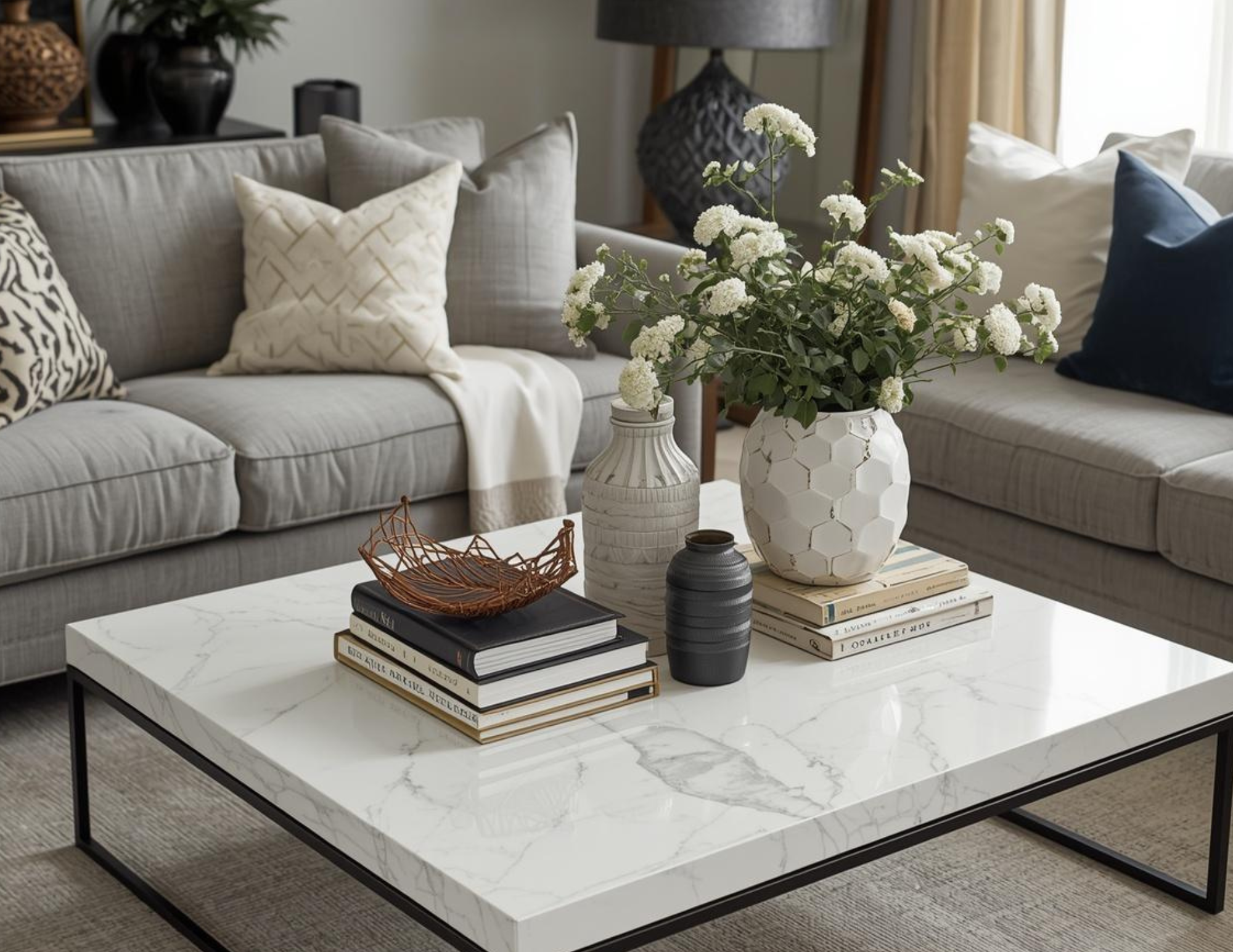
What I Choose Instead (For True Non-Toxic Design)
I specify low-VOC or zero-VOC paints from manufacturers with third-party certifications. I source natural fiber textiles; linen, wool, cotton, silk that breathe and age beautifully. I work with suppliers who can document the finish on every piece of wood, ensuring no hidden toxins.
Does it take more research? Absolutely. But the payoff is homes where families actually feel the difference. Where kids with sensitivities settle. Where people sleep better.
That's the real definition of luxury in sustainable interior design.
3. Trend-Driven Design That Looks Dated the Moment It's Done
Okay, confession: I love design trends. I follow them. I study them.
But I refuse to build entire homes around them.
When you design a space as a collection of trend-pieces; millennial pink walls, statement velvet everything, the exact Instagram aesthetic of 2024, you're essentially buying a moment in time. That moment expires.
The timeline is brutal: Trend becomes trendy. You commit to it. The design community moves on. Your space suddenly looks dated. The frustration builds. You redesign. You consume again.
It's a cycle that costs more money, creates more waste, and leaves you feeling like your home can never be "finished."
Designing for Longevity (Not Just This Season)
I design spaces that feel layered, not staged. Personal, not performative. Timeless, not time-stamped.
That means: A neutral foundation that won't age overnight. Quality basics in colors that feel effortless five years from now. Trends introduced through accessories and art, things you can swap out without gutting the room. Your personality woven in through objects that have meaning to you, not just aesthetic punch.
The most sustainable home isn't the one that looks like a design showroom. It's the one that works so well you don't feel the need to change it.
4. Overly Complicated Layouts That Fight Against How You Actually Live
This is where interior design philosophy meets real life.
I've walked into stunning, magazine-worthy living rooms where the family never sits down because the layout is a maze. Perfect kitchens where cooking is awkward because the designer chose beauty over workflow. Home offices positioned for aesthetics rather than focus.
Here's what happens next: Frustration builds. That nagging sense that the space isn't working. The urge to redo it all. And suddenly, a sustainable home becomes an unsustainable cycle of renovation.
Layout as a Sustainability Tool
I design for flow. Purposeful zoning. Movement that feels intuitive. Function that supports actual living, not just looking.
Because the most sustainable design choice is a home that works so well, you never feel the need to change it.
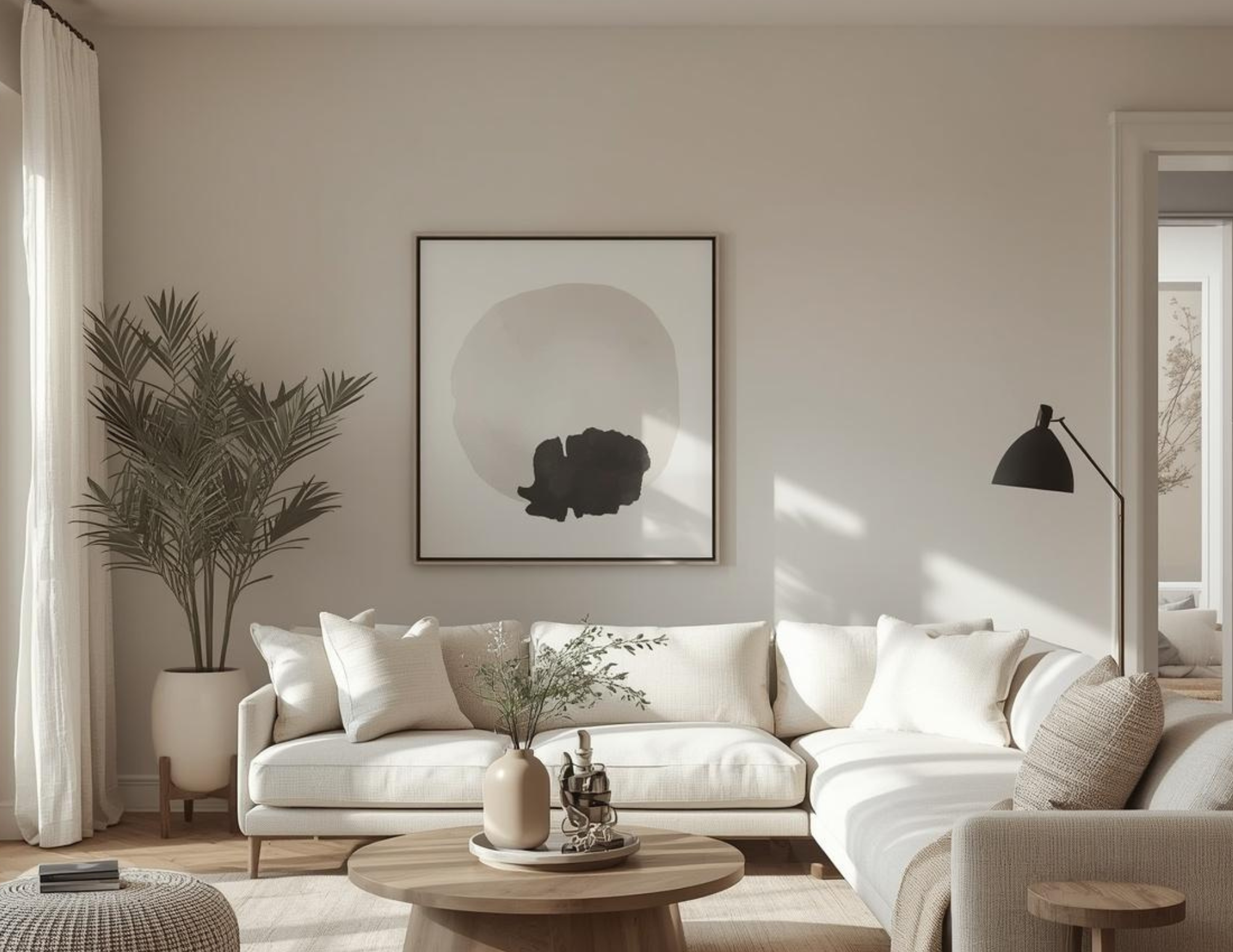
5. Disposable Decor (And the Impulse Buying It Encourages)
Seasonal decor that lives for one holiday. Accessories that trend and fade. Throw pillows in colors that make you cringe 90 days later.
I see it constantly in high-end homes: rooms stuffed with things that have no real meaning, no real function. Just clutter dressed up as design.
Disposable decor encourages a specific kind of damage. It tells you that your home is never enough, never finished, always in need of the next shopping trip. It's the opposite of intentional design.
Real Luxury Looks Like Restraint
I encourage fewer, more meaningful pieces. Decor with a story; a pottery piece from a maker you know, art from a period that matters to you, a textile that cost more because it was made to last.
Objects that can transition across seasons because they're not tied to one moment. That's true luxury. That's sustainable interior design that actually costs less stress.
6. Materials That Can't Age Gracefully
There are materials that improve with time. Solid wood that develops patina. Natural stone that tells a story. Vintage leather that gets softer and more beautiful with use.
And then there are materials designed to be replaced.
Finishes that chip and peel. Surfaces that can't be refinished. Engineered materials that degrade rather than evolve. These aren't just less beautiful as they age, they're less functional. They fail.
Choosing Materials That Tell a Story
I look for materials that age like wine, not milk. Solid wood that can be refinished. Natural materials that develop character. Finishes that improve with use rather than diminish.
True sustainability embraces longevity. Not perfection, but intention.
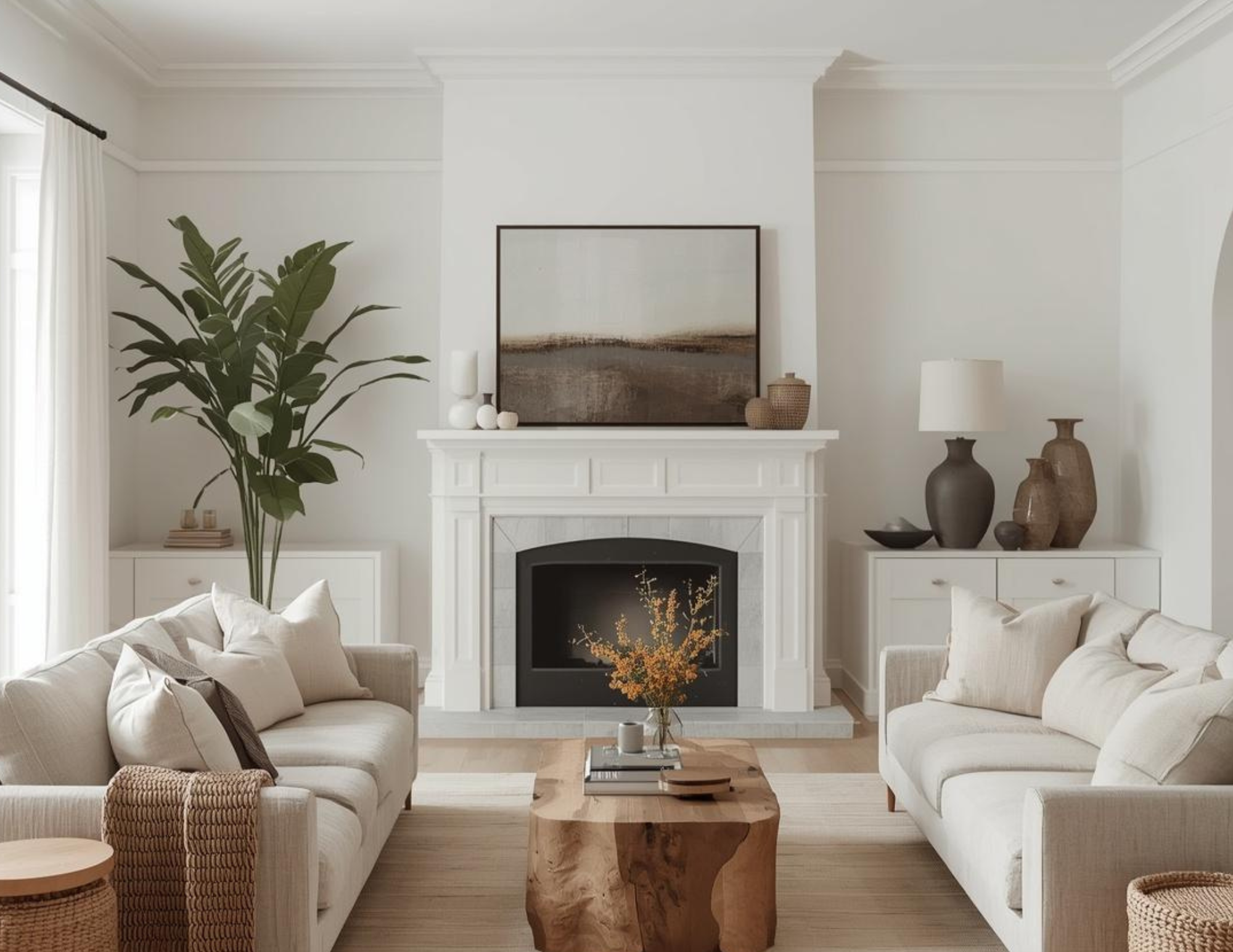
Why This Matters (Especially for High-End Homeowners)
If you're investing serious money in your home, the last thing you want is to redo it in five years.
Yet that's exactly what happens when you choose fast over durable, trends over timeless, convenience over craftsmanship. You end up spending more, consuming more, and enjoying your space less.
A sustainable interior designer, a certified sustainable interior designer, isn't just making eco-friendly choices. She's protecting your investment. She's designing for the long view. She's ensuring that ten years from now, your home still feels like home, not a project in progress.
The Real Definition of Sustainable Design
It's not about doing everything perfectly. It's not about guilt or deprivation or choosing brown burlap over everything beautiful.
Sustainable design is about shifting one question in your mind: Instead of "What should I add next?" it becomes "What truly belongs here?"
When you ask that question consistently, everything changes. You start to value longevity over immediacy. Quality over convenience. Meaning over excess. Your home becomes less about constant updates and more about quiet, lasting evolution.
Every thoughtful "no" creates space for a more meaningful "yes." And that's what turns a house into a home that actually lasts.
Final Thoughts: Ready to Design a Sustainable Home That Feels as Good as It Looks?
You've got a vision for a healthier, more intentional home. Maybe you're not sure where to start, or maybe you've tried before and felt overwhelmed by greenwashing and high prices. That's where I come in.
I work with homeowners across Wilmington, NC and nationally to design spaces that are truly sustainable; no guilt, no compromise on beauty, no settling for less. From choosing materials that won't off-gas, to layouts that actually work, to designs that age beautifully rather than dating overnight.
Whether you're ready for a full home redesign, a single room transformation, or a design consultation to get you started, let's talk about what a sustainable home means for your family.
Contact Go Green Fine Interiors today
Phone: 910.214.4301
