

What if your home didn't just look beautiful, but quietly worked for you, all day long?
Not through complicated systems or rigid rules.
But through thoughtful design choices that support your comfort, your routines, and your well-being from morning to night.
We often talk about sustainable home design as a checklist: materials, certifications, energy efficiency. And while those matter, they only tell part of the story.
True sustainability isn't static. It's lived. It's experienced. When done well, your home becomes an active partner in your daily life, adapting and supporting you through every hour.
Understanding Sustainable Design in Motion
Sustainable design in motion means your home is more than just eco-friendly choices on paper. It's a living system that responds to natural light, temperature changes, and your daily routines. It reduces energy use, waste, and effort without you constantly adjusting things.
Think of it this way: the best sustainable home is one that supports better living every single day. It works with you, not against you.
Morning: Natural, Gentle Start to Your Day
You wake up without harsh artificial light or noise. Your room is already beginning to shift naturally.
Light That Supports Your Circadian Rhythm
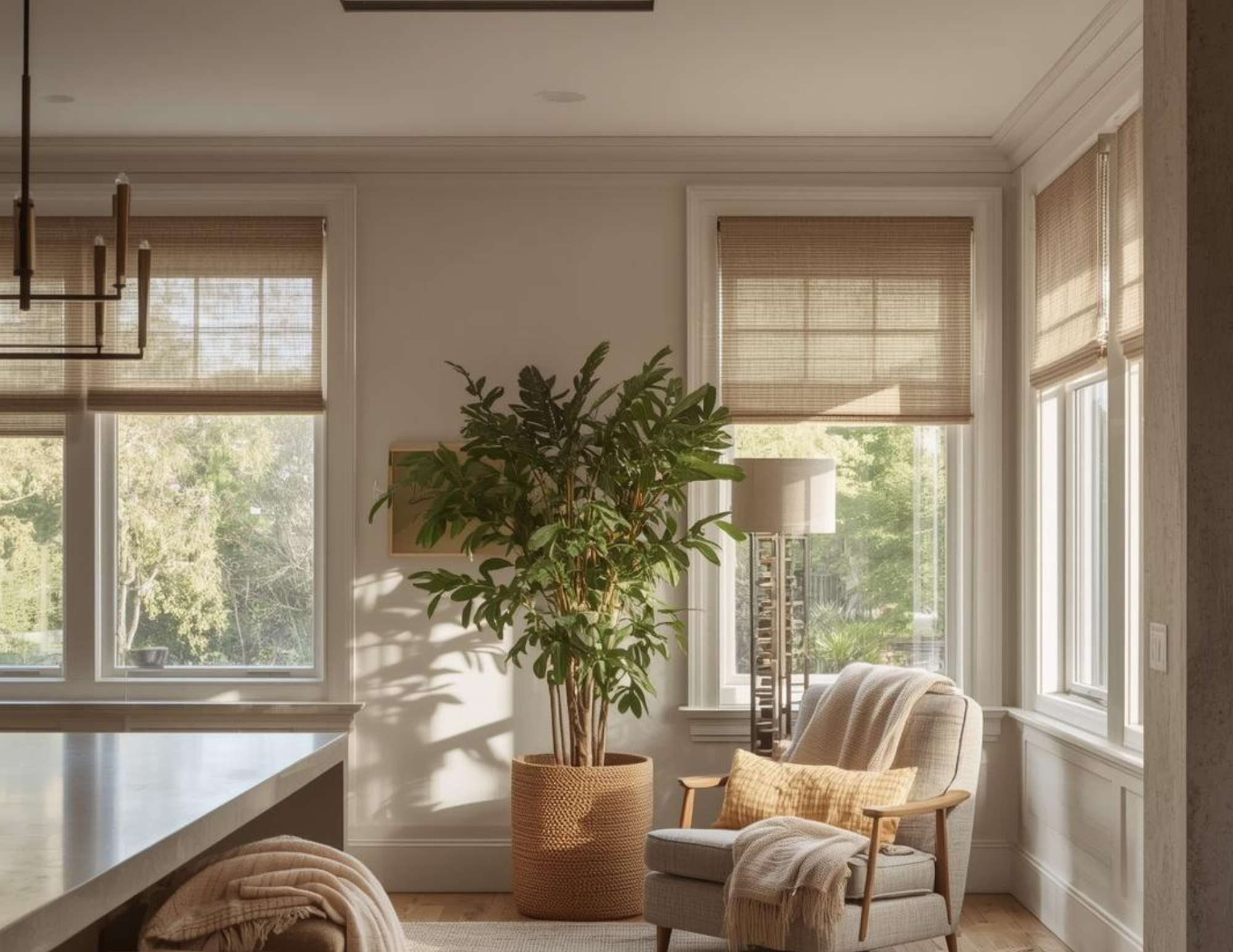
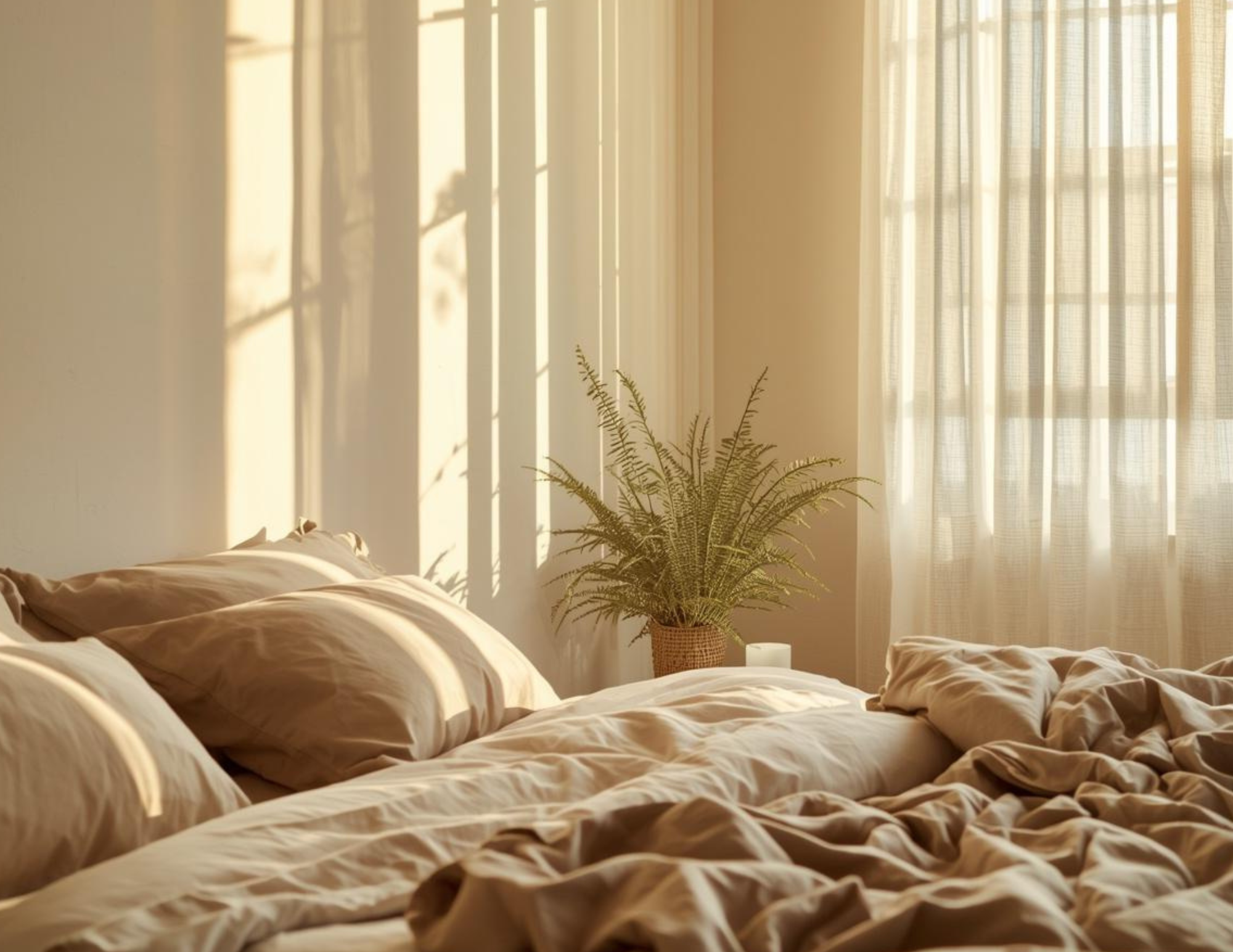
Soft natural light filters through windows with non-toxic window treatments that diffuse light evenly. This isn't just nice to look at, it's a wellness strategy. Your circadian rhythm, the internal clock that regulates sleep and wake cycles gets supported without extra effort.
Maximizing natural light reduces energy use while helping you start your day feeling aligned and energized. That's the kind of biophilic design that people actually search for these days.
Temperature Control That Feels Effortless
Your home holds onto the cool air from the night, thanks to high-performance windows, proper insulation, and natural materials that regulate temperature naturally. Instead of blasting the HVAC system at full power, the space already feels balanced.
This quiet comfort is what sustainable living is really about. You're not constantly fiddling with your thermostat or wasting energy. Things just feel right.
Space Designed for Ease and Calm
As you move through your morning routine, everything is intuitive. Items you reach for are exactly where they should be. Surfaces stay uncluttered. Storage works with your habits, not against them.
This intentional organization does more than look good. It reduces decision fatigue, minimizes stress, and creates a smoother start. That's part of what makes a truly sustainable home, it reduces everyday friction.
Mid-Morning: Energy Efficiency Without Thinking
As your day begins, your home shifts into quiet efficiency.
Passive Design That Works Around the Clock
Instead of relying heavily on mechanical systems, your home uses passive design strategies. Windows are positioned for natural cross-ventilation. Overhangs and smart shading reduce heat gain before it becomes a problem. Light-reflective surfaces help distribute daylight deeper into rooms.
The result is a home that feels bright and comfortable without constant energy use. You're not toggling systems on and off all morning. Your home is already working behind the scenes, which is the real definition of efficiency.
Afternoon: Your Space Adapts With You
By midday, your home supports how your day naturally unfolds.
Multi-Functional Spaces That Reduce Consumption
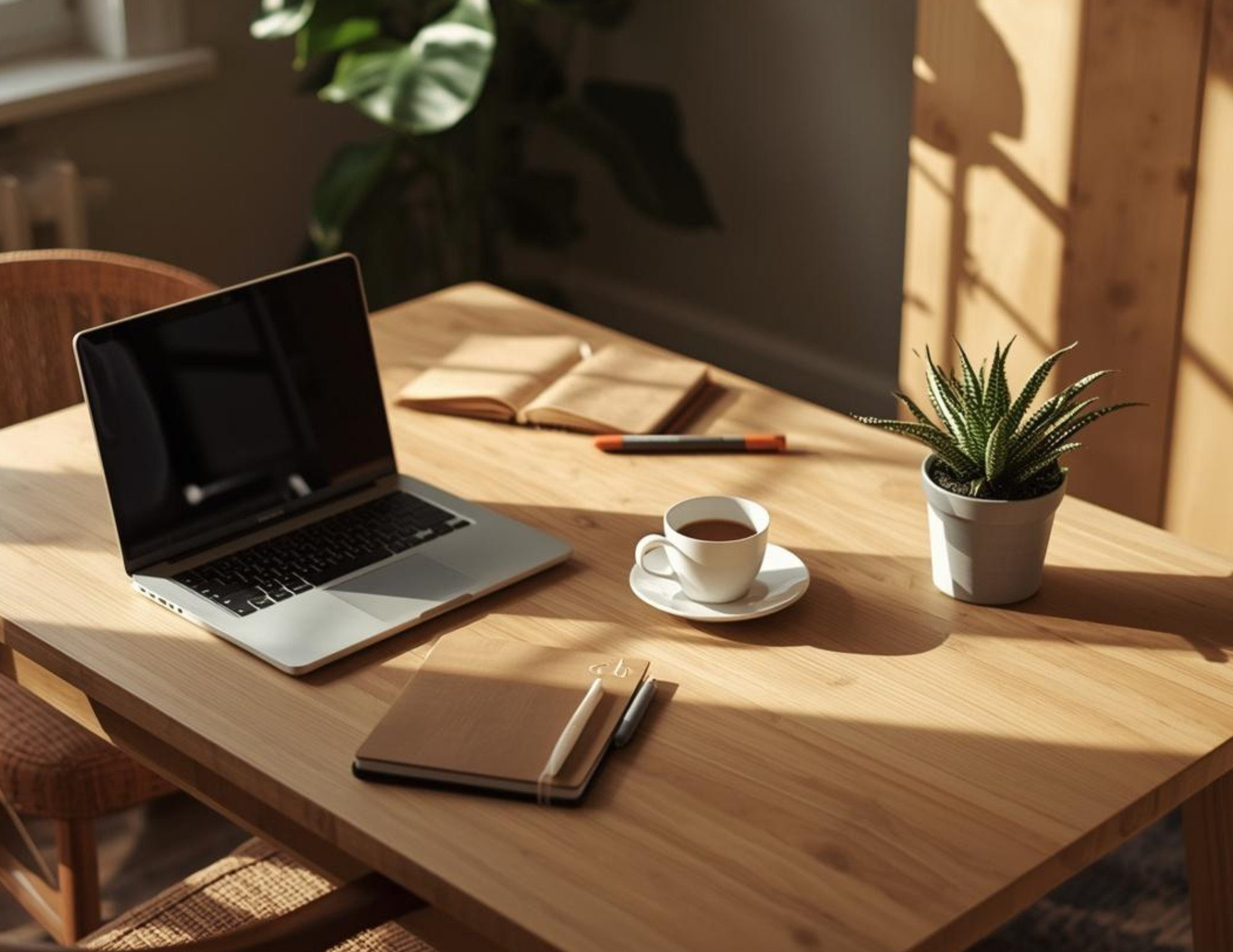
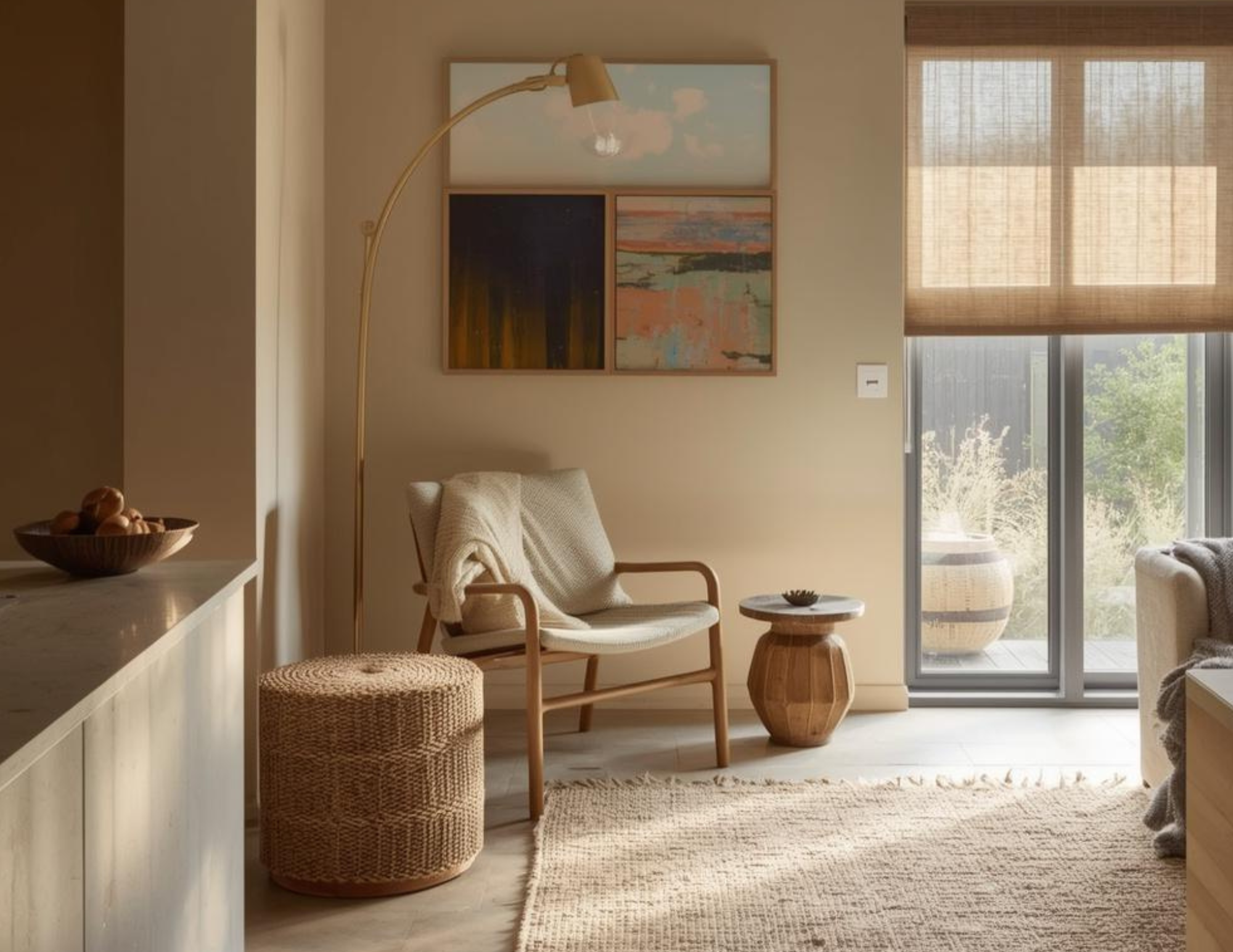
Your dining table becomes a workspace. A quiet corner transforms into a reading nook. Instead of needing separate rooms for each activity, your space adapts with you.
This flexibility is a core part of sustainable living. When your home serves multiple purposes, you reduce the need for more space, more furniture, more consumption. That's smart design.
Durable, Non-Toxic Materials That Last
Throughout the day, you interact with your home's surfaces constantly. Your countertops, flooring, and furniture are chosen thoughtfully. They do more than look beautiful.
Durable, non-toxic, and responsibly sourced materials last longer, improve indoor air quality, and require less maintenance over time. They support both your health and your home's longevity. A truly sustainable material is one you won't need to replace.
Late Afternoon: Comfort That Works With the Seasons
As the sun shifts, so does your home.
Light and Heat Management That Feels Natural
Rooms receiving strong afternoon light are designed to handle it gracefully. Window treatments soften glare while reducing heat gain. Natural airflow keeps the space feeling fresh. Materials with thermal mass absorb warmth and release it slowly, maintaining stable indoor temperature.
Instead of fighting your environment, your home works with it. That's passive sustainability.
Wellness Through Thoughtful Design
Late afternoon is when energy typically dips. Design plays a bigger role in your well-being than many people realize.
A sustainable home supports emotional well-being through calm color palettes, natural textures, and balanced lighting. These elements create a sense of ease, helping you reset and recharge without even thinking about why the space feels so good.
Evening: Transition and Restoration
As your day winds down, your home guides you toward rest.
Lighting Design for a Healthy Sleep Cycle
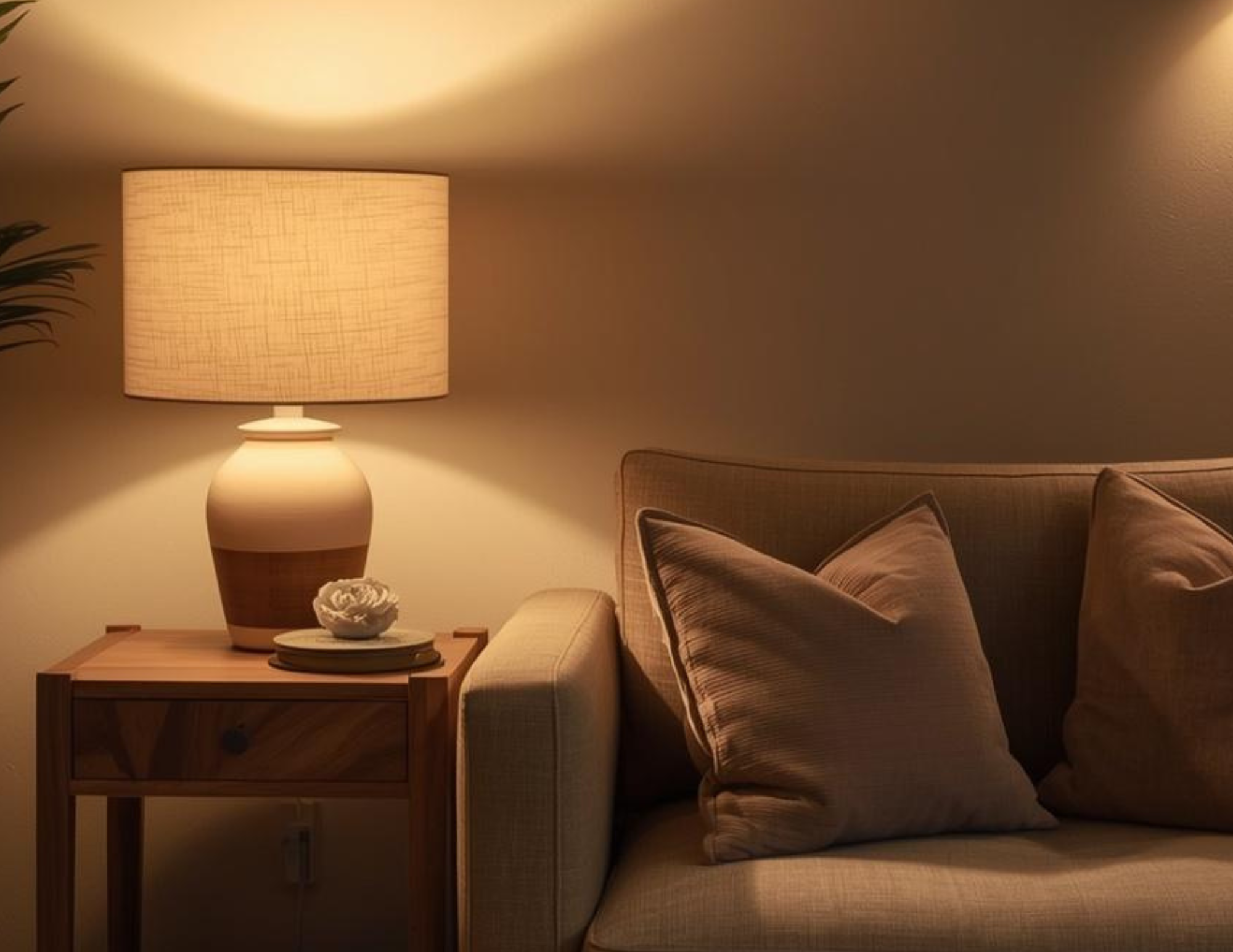
Overhead lighting fades as softer, layered lighting takes over. Table lamps and warm-toned bulbs create an intimate, calming environment. This shift isn't just aesthetic. It signals to your body that it's time to slow down.
Because your lighting is intentional, you use only what you need, avoiding excess while enhancing comfort. That's sustainable living at its most practical.
Night: Quiet Efficiency and Restoration
When the day ends, your home continues supporting you, quietly and efficiently.
Energy systems operate in the background, maintaining comfort without unnecessary use. Appliances run efficiently. Lighting remains minimal and purposeful.
In the bedroom, everything is designed for restoration. Breathable, non-toxic bedding. Minimal clutter. A balanced temperature. These elements come together to support deeper, more restful sleep.
That might be the most important outcome of sustainable home design: a life that feels better.
Final Thoughts: Your Home Is Already in Motion
Your home is constantly interacting with you, whether you notice it or not. When sustainability is woven into how your home functions, not just how it looks, something shifts.
Life feels easier. Spaces feel calmer. Your home quietly restores you, often without you realizing why.
Over time, those small moments add up. A calmer morning. A more focused afternoon. A more restful evening. You're no longer constantly adjusting the thermostat or searching for better lighting. Your home moves with you, supporting your routines in ways that feel seamless and natural.
Sustainable design isn't about perfection or one-size-fits-all spaces. It's about creating a home that feels right for how you actually live. A home that evolves with you and supports you, day after day.
The most sustainable home isn't just efficient. It's one that helps you live better, every single day.
Let's Create Your Sustainable Home
Want to design a space that reflects your personality, supports your values, and is good for the environment? We're here to help.
Contact Go Green Fine Interiors for a custom sustainable design consultation. Let's talk about how thoughtful design can make your home work better for you.
