

Design That Does More With Less:The Power of Passive Interiors for Sustainable Homes
What if the most impactful design decision you make is choosing not to add anything at all?
In a world where sustainability is often tied to more, more products, more technology, more upgrades—it's easy to assume that creating an eco-friendly home requires constant investment.
New smart systems.
New materials.
New innovations.
But what if the opposite were true?
What if the most powerful, sustainable design choices are the ones that require nothing new at all?
Welcome to passive interior design, a thoughtful approach to creating sustainable homes that works with your home's natural conditions rather than against them. It's about creating spaces that feel comfortable, efficient, and beautiful by maximizing what already exists: natural light, airflow, spatial layout, and material behavior.
At Go Green Fine Interiors, we believe eco-friendly interior design isn't always about adding. Sometimes, it's about refining, rethinking, and revealing what's already there
What Are Passive Interiors? Understanding Natural Design
Passive interior design focuses on optimizing a home's existing conditions, like sunlight, airflow, and spatial arrangement to improve comfort, energy efficiency, and livability without relying heavily on mechanical systems such as HVAC, artificial lighting, or energy-consuming technology.
It's rooted in the same philosophy as passive architecture, but applied intentionally within your living spaces.
Instead of asking: "What do I need to add to my home?"
We ask: "What can I use better?"
This approach to sustainable home design is gaining traction among homeowners interested in natural living solutions, wellness-focused interiors, and long-term home sustainability. It's about understanding how your space functions and making intentional decisions that improve both comfort and environmental impact.
Why “Less” Is More in Sustainable Interior Design
There's a quiet shift happening in how we define luxury and performance in our homes.
It's no longer just about high-end finishes or the latest smart devices. It's about how a space feels and how effortlessly it supports your life.
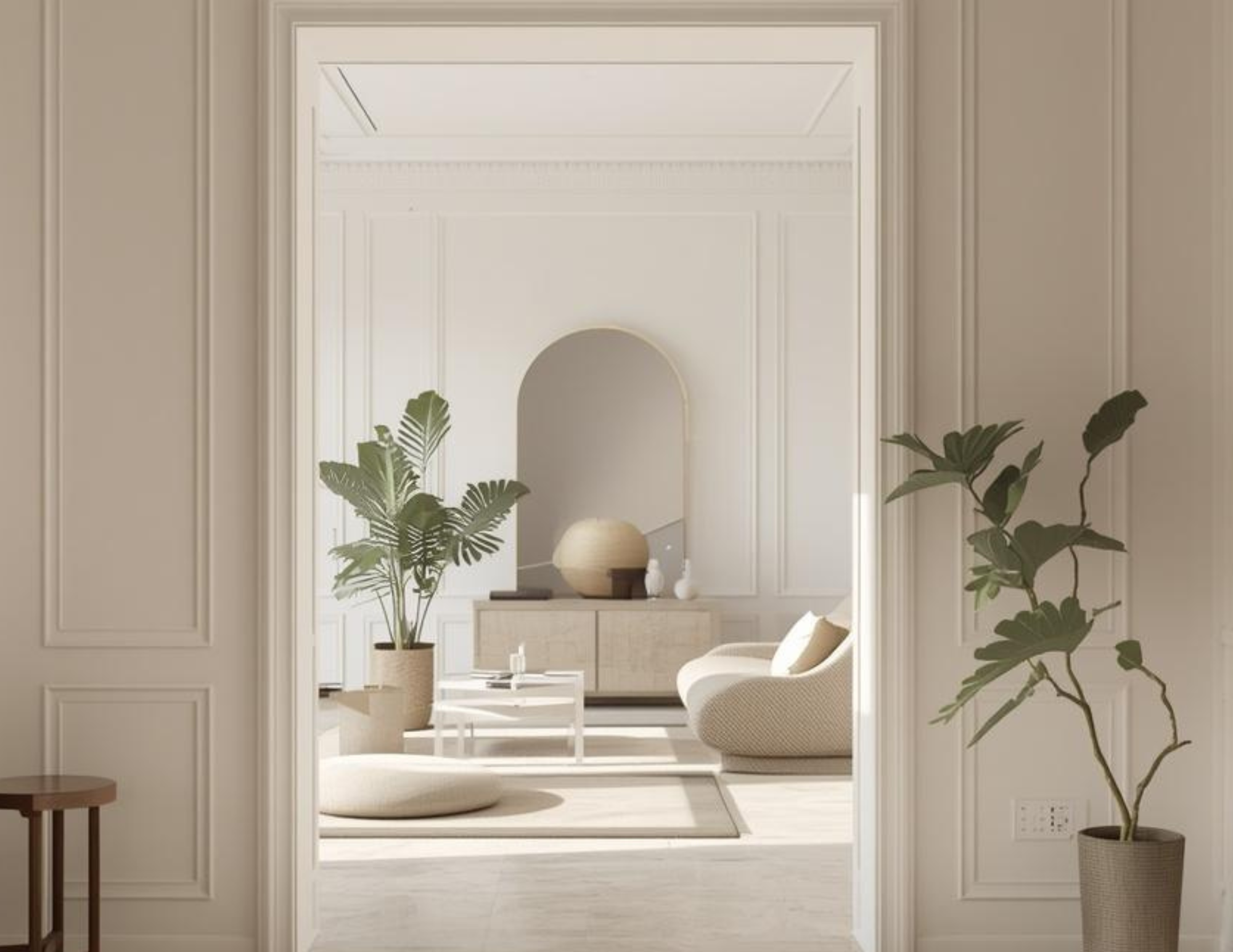
When you rely less on mechanical systems, you:
Reduce long-term energy consumption and lower utility bills
Lower maintenance demands and repair costs
Create a more resilient, adaptable home
Experience a more natural, intuitive living environment
Improve indoor air quality and natural circulation
Support wellness through biophilic design principles
But perhaps most importantly, you design a home that feels in sync with its surroundings, not separate from them. This kind of sustainable living design creates spaces that age well, adapt to your changing needs, and support your wellbeing every single day.
The Three Pillars of Passive Interior Design
Passive interiors aren't accidental. They're intentional, strategic, and deeply considered. Let's explore the three core elements that make this approach so effective for creating sustainable, comfortable homes.
Pillar 1: Harnessing Natural Light for Energy-Efficient Spaces
Light is one of the most underutilized design tools in modern homes—and one of the most powerful for both aesthetics and sustainability.
When used strategically, natural light can:
Reduce reliance on artificial lighting and lower electricity use
Improve mood, productivity, and overall wellbeing
Enhance the perception of space and make rooms feel larger
Highlight textures and materials beautifully
Create visual interest without additional decor
Practical Natural Light Design Strategies:
Instead of adding more fixtures, consider how your space currently interacts with sunlight throughout the day.
Reposition furniture to avoid blocking windows and pathways for light
Use reflective surfaces such as mirrors, glass, and light-toned finishes to bounce light deeper into the room
Choose strategic window treatments that filter rather than block daylight, like sheer curtains or solar shades
Keep sightlines open between rooms to allow light to travel and create an airy atmosphere
Paint walls in warm, neutral tones that reflect light naturally
Remove visual clutter near windows to maximize light penetration
Sometimes, the solution isn't a bigger window. It's simply removing what's preventing the light from doing its job. This simple approach to natural lighting is one of the most effective sustainable home improvements you can make.
Pillar 2: Designing for Natural Airflow and Indoor Comfort
Airflow is comfort. And yet, many homes unintentionally restrict it.
Passive interiors prioritize the movement of air through space, reducing the need for constant heating and cooling. This approach to home ventilation creates naturally comfortable environments while significantly lowering energy consumption.
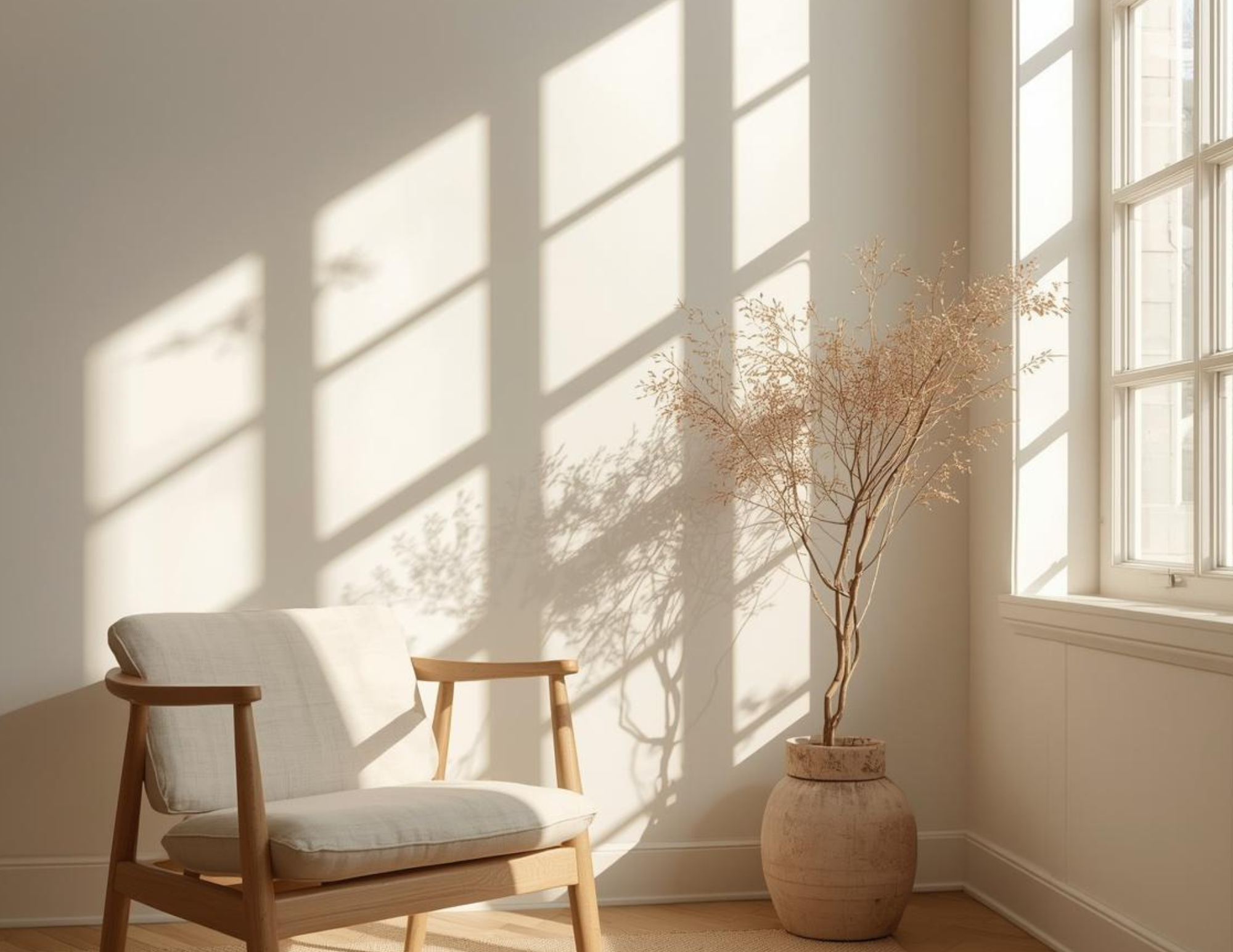
What Improves Natural Airflow?
Clear pathways between windows and doors to encourage cross-ventilation
Strategic furniture placement that doesn't interrupt air circulation patterns
Use of transom openings or interior pass-throughs for improved air movement
Thoughtful layering of materials that don't trap heat unnecessarily
Open floor plans that allow air to move freely between spaces
Ceiling fans positioned to enhance natural airflow (not replace it)
Door placement that takes advantage of prevailing winds
Even small adjustments can create a noticeable difference. A room that breathes naturally feels lighter, fresher, and more comfortable without touching the thermostat. This is passive design at its best improving your home's natural ventilation through intelligent planning.
Pillar 3: Letting Strategic Layout Do the Work
This is where passive design becomes truly transformative for sustainable home living.
Your layout determines how your home functions on a daily basis:
Where heat collects and how it moves through spaces
How light moves throughout the day
How people flow through the space naturally
Which areas feel inviting versus stagnant
How efficiently your home maintains comfortable temperatures
Key Layout Considerations for Passive Interior Design:
Instead of forcing a design trend into your home, passive interiors ask thoughtful questions:
Are frequently used spaces positioned where natural light is strongest?
Do transitions between rooms feel intuitive or interrupted?
Are you working with the home's natural orientation or against it?
How does your home respond to seasonal sun angles?
Where are the natural gathering points in your home?
A well-considered layout can regulate temperature, reduce energy use, and improve everyday usability, without a single new product. This is the essence of intelligent, sustainable interior design.
Passive Design vs. Active Design: Understanding the Difference
It's important to understand how passive interiors differ from more common active sustainability strategies. Both have their place in creating a truly sustainable home.
Passive Interior Design:
Works with natural elements and your home's existing conditions
Requires little to no ongoing energy use
Focuses on layout, orientation, and material behavior
Creates long-term, low-maintenance impact
Improves homes through thoughtful planning and design decisions
Supports natural, healthy indoor environments
Active Interior Design:
Relies on systems and technology (HVAC, smart devices, air purifiers, etc.)
Requires energy to function continuously
Often added after construction or initial design
Can be effective but dependent on regular upkeep and maintenance
Useful for supplementing passive design in extreme climates
The most sustainable homes often combine both approaches. Passive design should always come first because the less your home needs, the more efficient it becomes. Think of passive design as the foundation and active design as additional support when needed.
How Passive Interiors Connect to Broader Wellness Design
Creating a home that supports your health and wellbeing goes hand in hand with passive design. When your space naturally maintains comfort through light, airflow, and smart layout, you're creating an environment that:
Reduces stress associated with temperature fluctuations and poor lighting
Supports better sleep through natural light cycles
Improves air quality and respiratory health
Creates a sense of calm through harmony with natural rhythms
Reduces exposure to unnecessary EMF from smart systems
Encourages movement and natural living patterns
This is why wellness-focused interior design and sustainable design are increasingly becoming the same thing. The healthiest homes are often the most efficient ones.
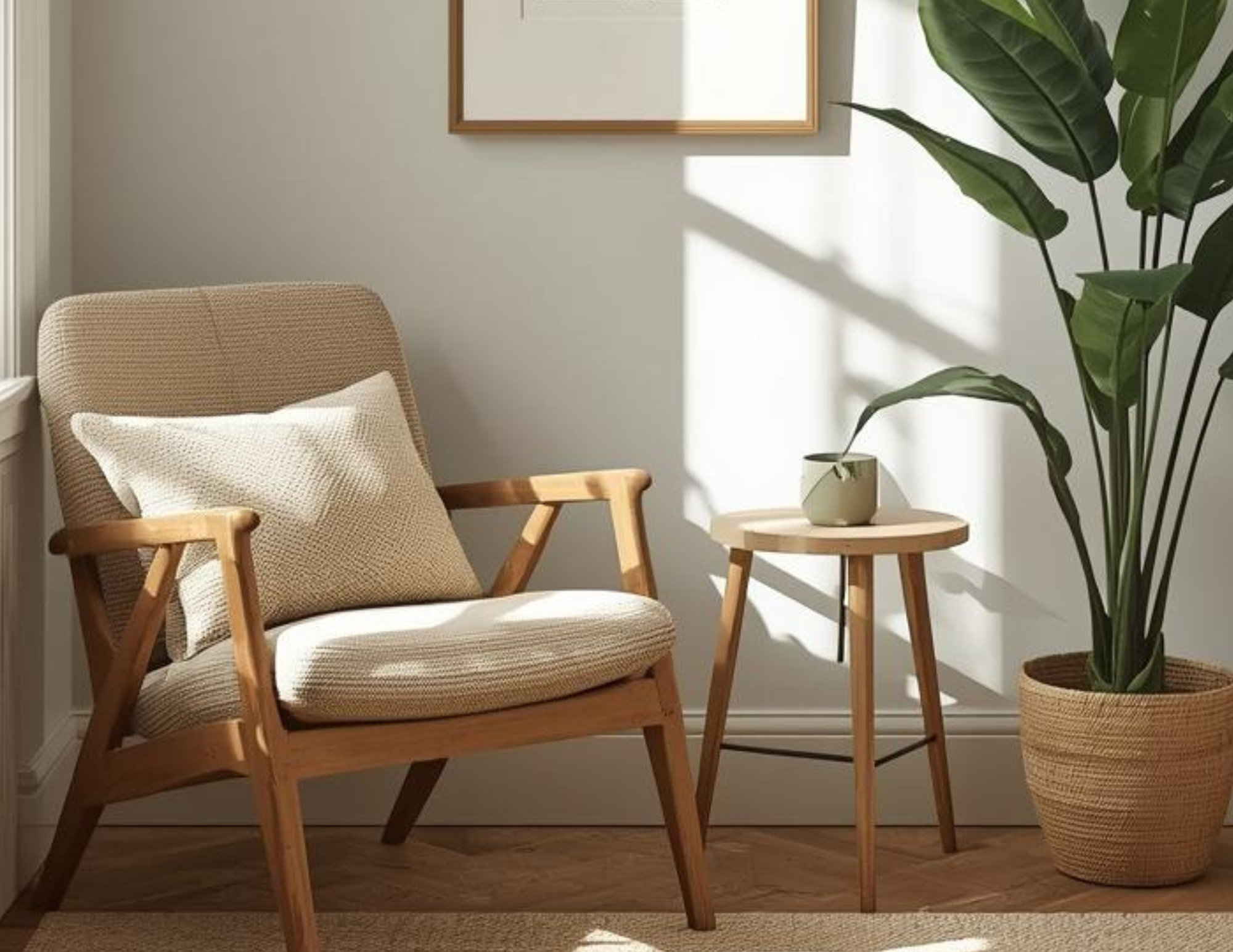
Getting Started with Passive Interior Design in Your Home
You don't need to completely redesign your home to implement passive design principles. Start with these practical steps:
Immediate Actions:
Assess your windows and natural light patterns throughout the day
Notice where you feel drafts or temperature imbalances
Observe how people naturally move through your spaces
Identify furniture or decor blocking light or airflow
Short-Term Improvements:
Reposition furniture to optimize light and airflow
Add strategic mirrors to reflect natural light
Update window treatments for better light control
Declutter spaces to improve visual flow and air movement
Long-Term Considerations:
Plan room layouts to take advantage of natural orientation
Consider accent walls in reflective, light-absorbing colors
Evaluate traffic patterns and create more intuitive spaces
Invest in quality materials that naturally regulate temperature
Final Thoughts: The Beauty of Doing Less
There's something incredibly refreshing about stepping into a home that simply works.
The light feels right. The air feels fresh. The space feels balanced.
Not because of what was added but because of what was understood.
Passive interior design invites you to pause, observe, and rethink how your home supports your life. It reminds us that sustainability doesn't always have to be visible to be impactful. In fact, the most meaningful changes are often the ones you don't immediately notice but experience every single day.
There's also a deeper sense of ease that comes from knowing your home isn't dependent on constant adjustment. When your space naturally supports comfort without always reaching for a switch, a setting, or a system, you begin to experience a quieter kind of luxury. One that feels grounded, intentional, and effortlessly aligned with the way you truly want to live.
At Go Green Fine Interiors, we can help you create a home that fits your needs and elevates how you live. That's the true power of doing more with less.
Ready to Transform Your Home?
Creating a space that reflects your personality, values, and commitment to sustainable living doesn't have to be complicated. We help homeowners and property investors design beautiful, efficient homes that support your wellbeing and your values.
Contact Go Green Fine Interiors for a custom design consultation. Let's explore how passive design principles can work in your specific space.
Phone: 910-214-4301
Location: Wilmington, North Carolina
Services: Sustainable interior design, energy-efficient home design, wellness-focused interiors, virtual design consultations
