

The Silent Shift: Why Homes Feel Heavier Before Winter
Every year, there is a quiet moment—usually in late fall or early winter—when a home begins to feel different. Nothing is technically wrong. The furniture remains in place, the layout is unchanged, and the décor still reflects the same personal style it did just weeks before. And yet, the space feels heavier. Dimmer. Less comfortable than it once did. The shift is subtle, almost easy to dismiss, but it’s unmistakable once you notice it.
Many homeowners assume this discomfort is tied to their own stress levels, busier schedules, or the emotional weight that often accompanies the end of the year. However, this feeling is rarely just personal. Homes respond to seasonal changes in ways we don’t always anticipate, and when the environment shifts faster than our interiors adapt, the space can begin to work against us instead of supporting us.
At Go Green Fine Interiors, we see this transition happen every year. It arrives quietly, without dramatic changes or obvious warning signs, yet it affects how people move through their homes, how they rest, and how they feel at the end of the day. This moment—when a space looks the same but feels entirely different.
1. The Loss of Natural Light
One of the first changes we feel—often before we consciously notice it—is the shift in light. As fall gives way to winter, daylight fades earlier, shadows linger longer, and rooms that once felt open and energized begin to feel subdued. Our bodies are deeply attuned to natural light, and when it diminishes, our homes can start to feel heavier even if nothing else has changed.
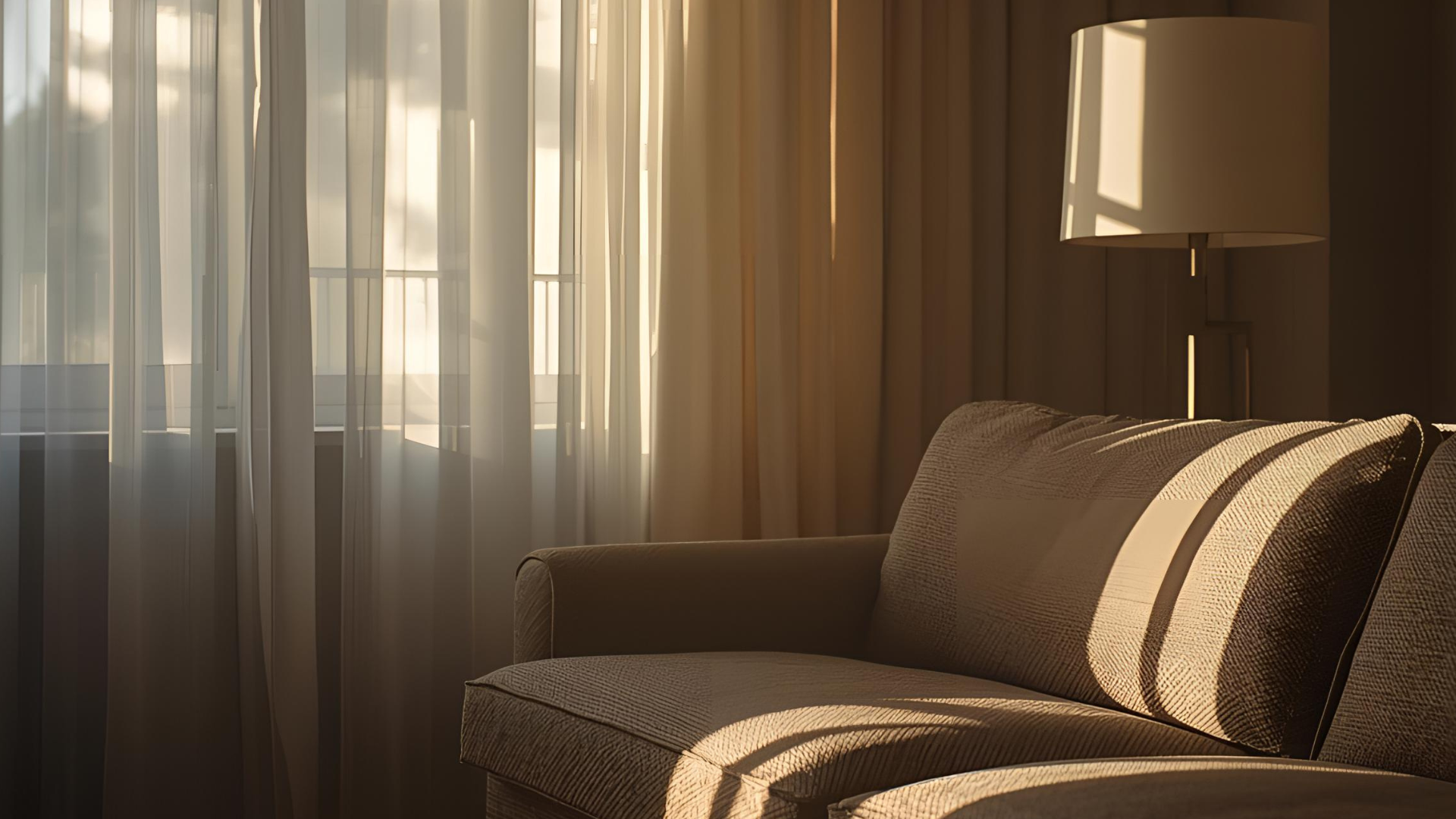
As days shorten:
Sunlight enters at lower angles
Shadows deepen
Previously bright rooms feel flat or dim
Corners that felt open now feel heavy
Natural light plays a critical role in regulating circadian rhythms, mood, and focus. When it fades—and interior lighting isn’t adjusted to compensate—spaces can feel draining instead of restorative.
2. Materials React Differently in Cold Seasons
Materials don’t just affect how a space looks—they influence how it feels, especially as temperatures drop. Surfaces that once felt clean, fresh, or refreshing in warmer months can suddenly feel stark or uninviting. As we spend more time indoors during winter, we become far more sensitive to how our surroundings physically and emotionally support us. Surfaces that felt crisp and modern in summer can suddenly feel cold, harsh, and steril.
Common culprits include:
Polished stone
Glossy finishes
Metal-heavy accents
Sparse or minimal textures
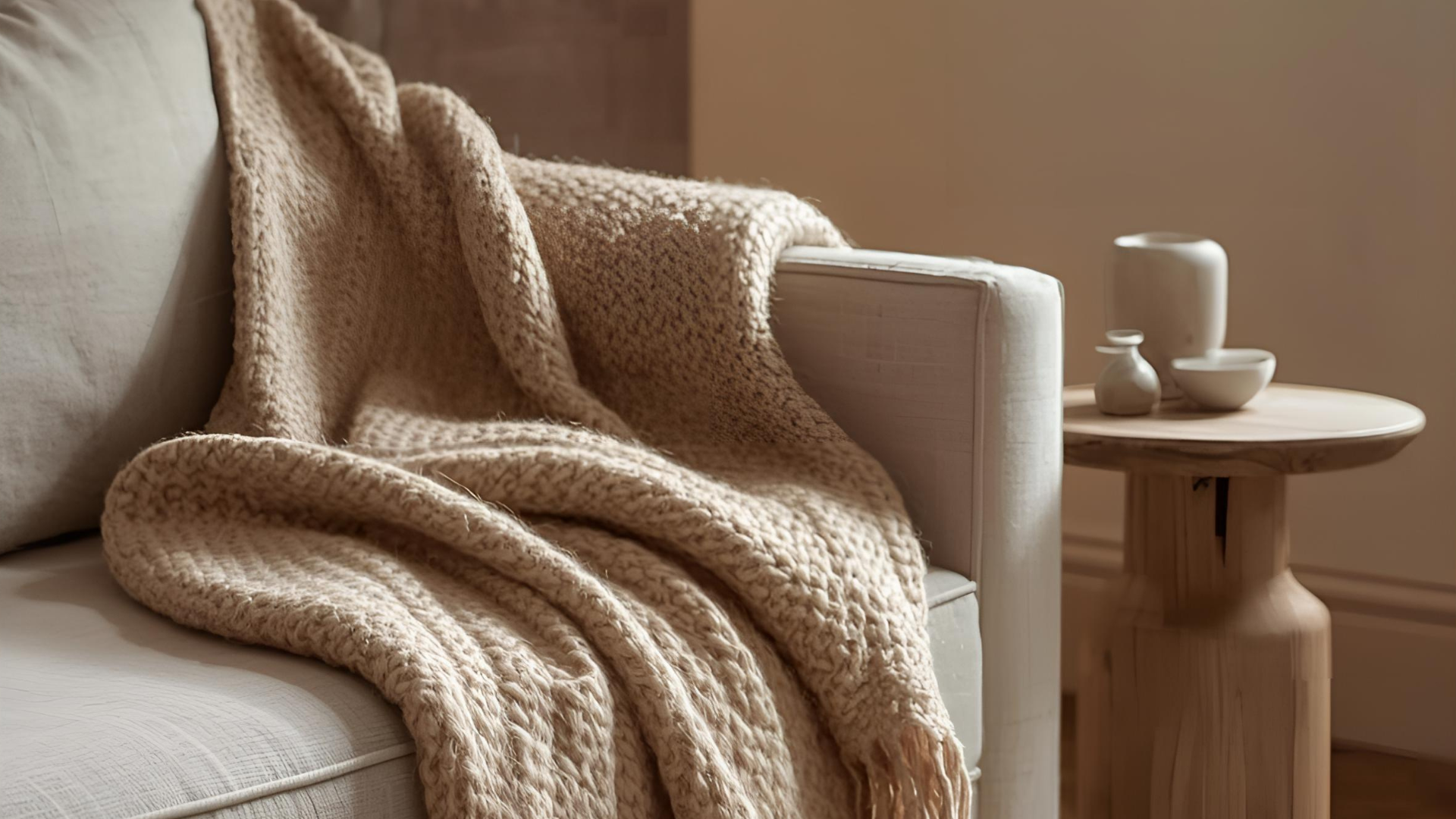
In colder months, our nervous systems crave warmth, softness, and grounding textures. Without them, the home can feel emotionally uninviting—even if it looks beautiful. Layering textures can enhance visual and emotional warmth. Choosing sustainable materials supports long-term comfort and eco-friendly design. Beyond texture and temperature, the way materials interact with light can also change perception of space in winter. Even a small shift in how surfaces reflect or absorb light can make a room feel cozier or, conversely, more distant and impersonal.
3. Air Quality Quietly Changes
Decluttering is more than a seasonal chore—it’s a strategic mindset shift that prepares your home for the energy of the holidays. When you remove items that no longer serve your lifestyle, you create space not just physically, but mentally. This process invites clarity and removes friction from your day-to-day routines, making the holidays feel far more manageable. Purposeful decluttering is the difference between feeling stressed and feeling supported by your environment.
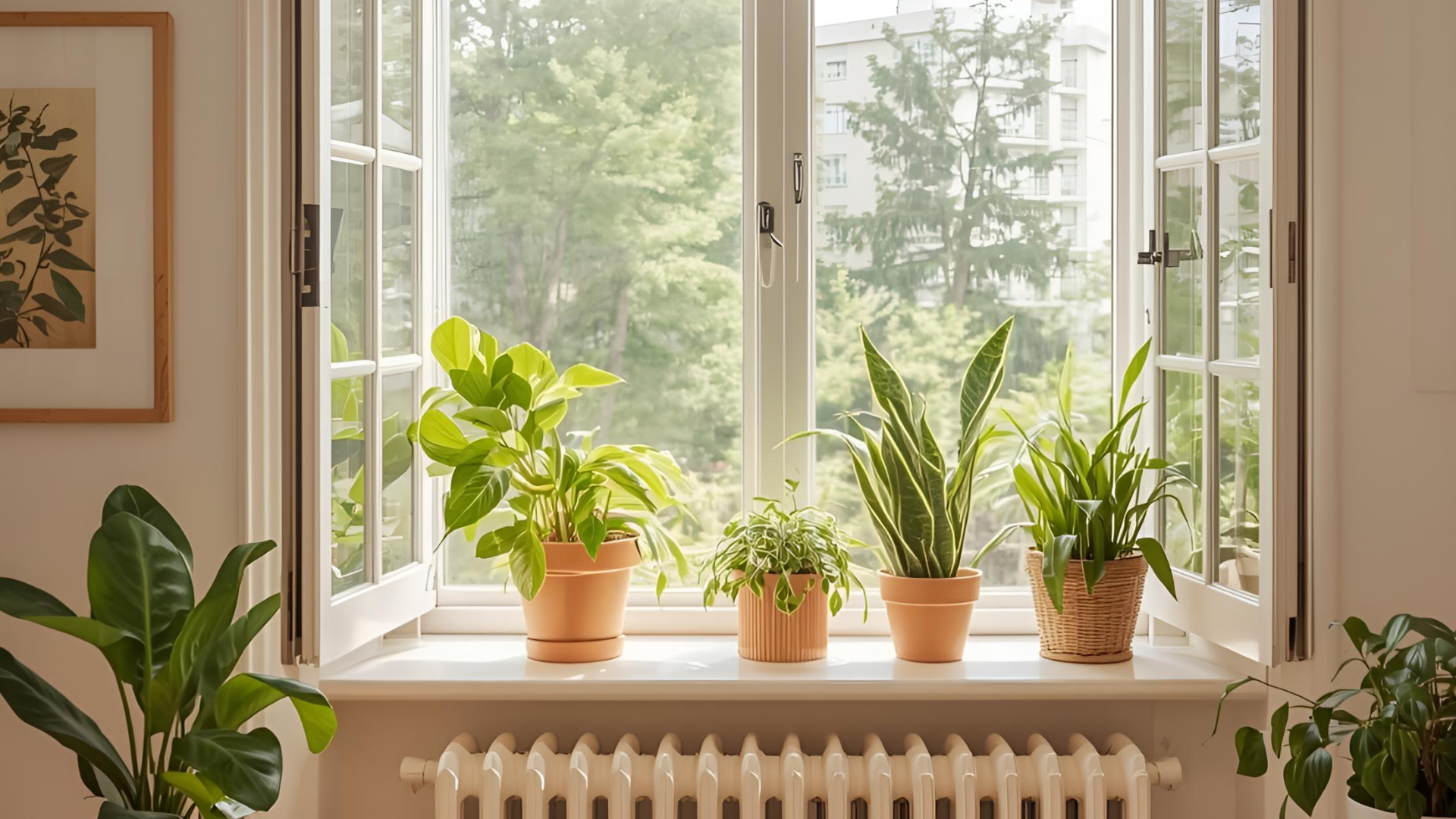
Indoor allergens and dust can accumulate.
Dry air can cause physical discomfort and fatigue.
Natural air purifiers and low-emission materials improve air quality.
Air quality doesn’t just affect physical health—it also shapes cognitive clarity and emotional well-being. Even subtle changes in scent, humidity, or freshness can alter how inviting a space feels, influencing mood and productivity without us noticing.
4. Seasonal Clutter Becomes Visual Noise
Winter often brings more than just colder weather—it brings accumulation. Coats, boots, scarves, blankets, holiday décor, packages, and everyday necessities all begin to compete for space at once. Even in homes that are typically organized, this seasonal layering can quietly overwhelm the visual landscape. Our brains process visual information constantly, and when there is too much competing input, it creates mental fatigue. What once felt cozy can quickly begin to feel crowded, making it harder to relax or focus within the space.
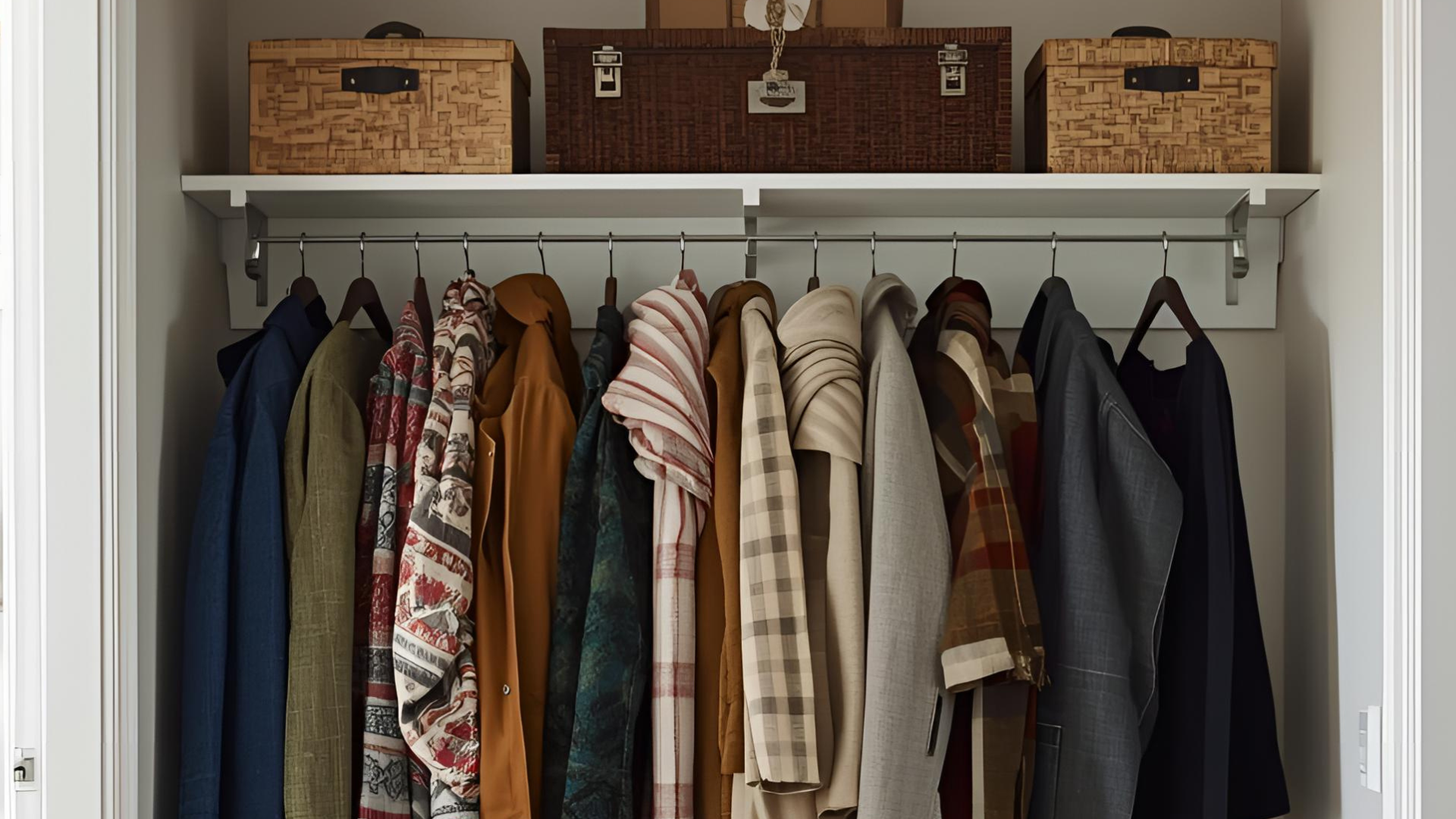
Extra clothing and seasonal items add visual complexity.
Accumulated mail and packages increase mental load.
Holiday décor can feel overwhelming if not curated intentionally.
Regular decluttering and rotating items maintains a calm environment.
Seasonal clutter doesn’t just impact what we see—it subtly influences how we move through a space. Even small obstacles or visual distractions can change our routines, making a home feel more confining and less effortless to inhabit.
5. Emotional Weight Rises—And Homes Absorb It
Winter is a season of contraction, both externally and internally. Days grow shorter, schedules shift, and many people naturally turn inward, spending more time at home with their thoughts and routines. As a result, our homes take on a greater emotional role, becoming the primary backdrop for rest, reflection, and recovery.
When a space isn’t designed to support these seasonal needs, emotional stress can feel amplified rather than soothed. Homes are remarkably perceptive environments, and during winter, they often reflect back the emotional weight we bring into them.
Homes reflect the emotional energy of occupants. Intentional design elements can help manage seasonal emotional shifts. Mindful, adaptable spaces foster resilience and comfort throughout winter. Small adjustments—like changing seating arrangements or creating cozy corners—can help the space actively nurture emotional balance throughout the colder months.
Final Thoughts: Listening to the Quiet Signals
The Silent Shift isn’t dramatic. It doesn’t announce itself with clutter or chaos. That’s exactly why it’s so easy to dismiss.
When your home starts to feel heavier before winter, it’s not a failure of style—or a sign that something is “wrong” with you. It’s feedback. A quiet signal that your space is responding to seasonal changes faster than your routines, lighting, and materials are able to support you.
This is where sustainable design becomes deeply personal. Thoughtful, season-aware interiors don’t rely on constant redecorating or overconsumption. Instead, they evolve—using intentional lighting, adaptable layouts, natural materials, and mindful edits to support your well-being year-round.
When we slow down and listen to what our homes are telling us, we gain the opportunity to create spaces that feel lighter, calmer, and more resilient—even during the darkest months of the year. Spaces that conserve energy, reduce waste, and support emotional wellness at the same time.
Winter doesn’t have to feel heavy. With awareness and intention, it can become a season of grounding, restoration, and quiet comfort—starting right at home.
✨Ready to Take It to the Next Level?
Let’s work together to make sustainable, beautiful choices for your home.
Want help curating a space that reflects your personality, values, and is good for the environment? Contact us for a custom design consultation.
💬Let us know: What’s your go-to pre-winter home tradition?
📩 Contact Go Green Fine Interiors for your next project!
