

Why Sustainable Design Starts with a January Reset
January arrives quietly. After weeks of celebration, consumption, and constant movement, our homes finally get a moment to breathe—and so do we. This pause is powerful. It’s the rare time when our spaces are stripped back to reality, revealing what truly works, what doesn’t, and what we’ve been ignoring.
After the rush of the holidays—the excess, the gatherings, the constant stimulation—our homes finally exhale. Decorations come down. Calendars open up. The noise quiets and for the first time in weeks, many of us are left alone with our space exactly as it is.
It’s also the moment when we notice things we’ve been too busy to see:
The clutter that crept in unnoticed
The rooms that feel heavy or uninspiring
The furniture that no longer serves us
The systems that don’t actually support how we live
This is where a January reset begins—and why it’s the most powerful starting point for sustainable interior design.
At Go Green Fine Interiors, we believe sustainable design isn’t about perfection or deprivation. It’s about intention, longevity, and alignment—starting with how your home makes you feel when the year is new.
What Is a January Reset in Interior Design?
Before diving into decluttering or redesigning, it helps to understand what a January reset really means. This concept goes far beyond cleaning—it’s about awareness, reflection, and recalibration.
A January reset is a conscious pause—a chance to evaluate your home after a season of peak use and overstimulation.
Unlike a spring refresh (which often focuses on surface-level changes), a January reset goes deeper. It’s about reassessing:
How your space supports your daily routines
What you actually use versus what you store
What feels calm versus what feels chaotic
What you already have—and what truly needs to change
From a sustainable design perspective, a January reset prioritizes editing, reworking, and optimizing before replacing or buying new.
1. Your Home Has Just Been Stress-Tested
The holidays act like a full-scale trial run for your home. Every room is used more, every system is pushed harder, and every inefficiency becomes obvious. The holidays put our homes through a lot.
Extra guests. Extra cooking. Extra stuff. January reveals what worked—and what didn’t.
This makes it the perfect time to evaluate:
Is your dining space functional or frustrating?
Did storage systems hold up?
Were guest areas welcoming—or improvised?
Did your lighting support long days and dark evenings?
Instead of rushing to replace everything, sustainable design asks: What can be improved thoughtfully, not impulsively?
2. Sustainability Thrives in Slower Seasons
When life slows down, intention has room to grow. January naturally encourages restraint, reflection, and smarter decision-making. January naturally encourages restraint. Budgets reset. Consumption slows. We’re more open to reflection than renovation.
This aligns beautifully with sustainable principles, such as:
Buying fewer, better-quality pieces
Repairing instead of replacing
Reworking layouts instead of demolishing
Choosing materials for longevity—not trends
When the pace slows, intentional design decisions become easier to make—and easier to maintain.
3. A Reset Reduces Waste Before It Begins
Sustainability isn’t just about eco-friendly materials—it’s also about preventing unnecessary waste before it enters your home. One of the most overlooked sustainability strategies is preventing waste at the source.
A January reset helps you:
Identify duplicates you don’t need
Let go of items that no longer serve you
Repurpose furniture already in your home
Avoid unnecessary purchases later in the year
At Go Green Fine Interiors, we often help clients redesign spaces using what they already own—layering in only what truly enhances function and beauty.
Key Areas to Focus on During a January Reset
Rather than trying to reset everything at once, focusing on a few high-impact areas leads to more lasting, sustainable change.
1. Edit Before You Add
The most sustainable design decision is often choosing not to buy something. Editing helps you see your space clearly before making changes. Before buying anything new, start with a thoughtful edit.
Ask yourself:
Do I use this regularly?
Does this item serve a purpose or just take up space?
Would I buy this again today?
Sustainable Editing Tips:
Donate usable items locally
Repurpose furniture in new rooms
Store seasonal items intentionally—not “just in case”
Recycle responsibly where possible
Editing creates space—physically and mentally—for better design decisions.
2. Reevaluate Room Flow and Function
Function is the foundation of sustainability. If a room doesn’t work, it won’t last—no matter how beautiful it is.
January is the perfect time to ask:
Does this room actually work for how we live?
Common January realizations:
Furniture blocks natural pathways
Rooms feel cramped or underutilized
Storage isn’t where it’s needed most
Lighting doesn’t support winter routines
Sustainable design often starts with rearranging, not replacing. Even small layout changes can dramatically improve how a space functions.
3. Focus on High-Impact, Low-Waste Updates
Small changes can have a meaningful impact—especially when they improve efficiency, health, and comfort. Not all upgrades require major renovations.
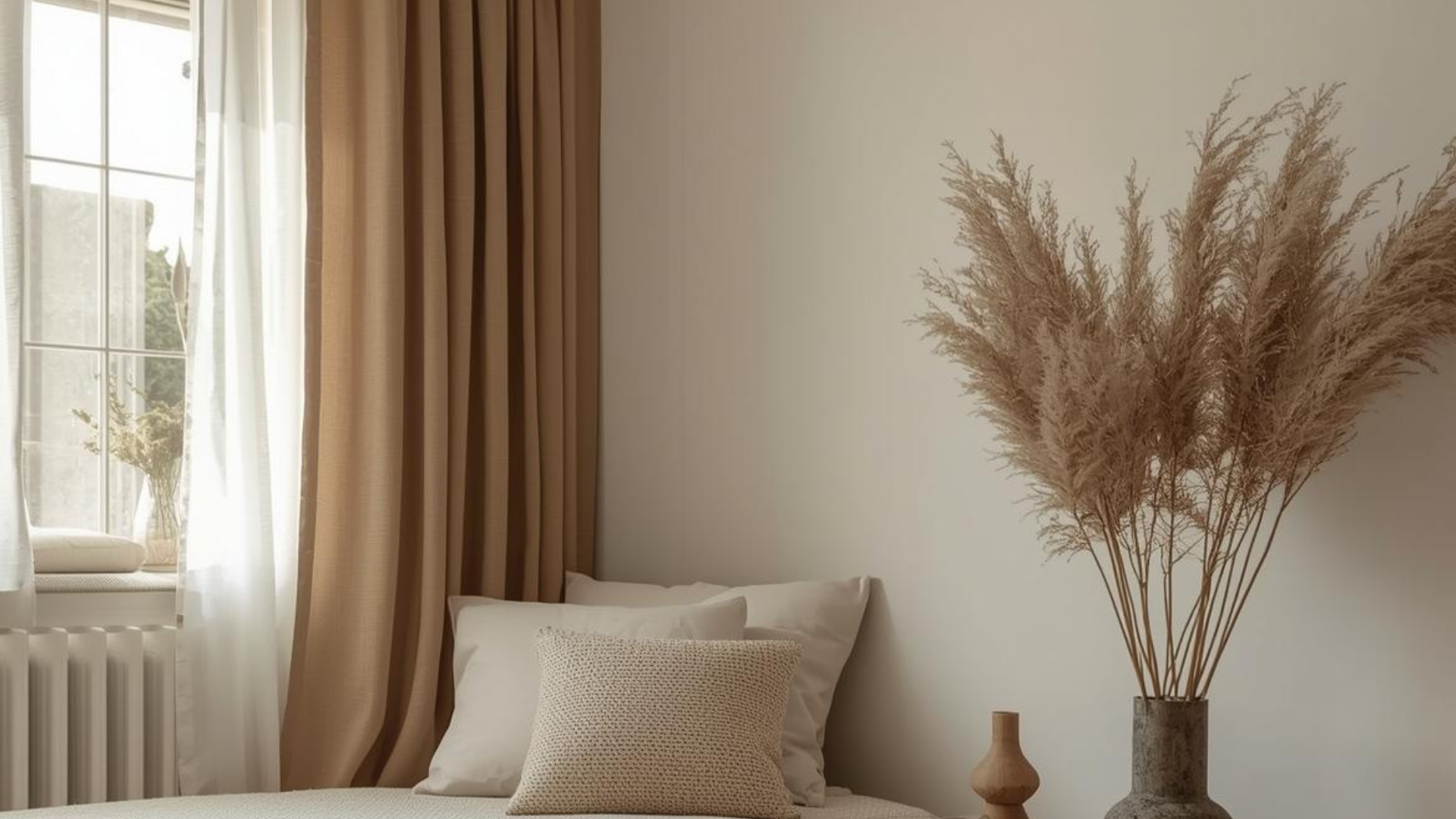
Some of the most sustainable January updates include:
Swapping inefficient lighting for LED or layered lighting plans
Updating window treatments to improve insulation
Choosing low-VOC paints for refreshed walls
Adding rugs or textiles made from natural or recycled fibers
These changes improve comfort and efficiency without unnecessary waste.
Final Thoughts: A Mindful Reset For Your Space
A January reset is not about doing more—it’s about doing things with intention. When we slow down and truly look at our homes, we gain clarity on what supports us and what quietly drains us. That awareness is the foundation of sustainable design.
Sustainability doesn’t begin with a purchase. It begins with a pause. By choosing to edit, rethink, and reuse before replacing, we create spaces that feel calmer, healthier, and more aligned with how we want to live—now and throughout the year.
As the year unfolds, your home will continue to evolve. Starting with a thoughtful January reset sets the tone for decisions rooted in care, longevity, and purpose. Sustainable design isn’t a trend—it’s a way of living well, beginning right where you are.
✨Ready to Take It to the Next Level?
Let’s work together to make sustainable, beautiful choices for your home.
Want help curating a space that reflects your personality, values, and is good for the environment? Contact us for a custom design consultation.
💬Let us know: What’s your sustainable interior design goal for this year?
📩 Contact Go Green Fine Interiors for your next project!
