

Your Home Has a Carbon Story — Do You Know What It’s Saying?
Your home speaks.
Not in words. Not in trends. Not even in paint colors.
It speaks in materials. In manufacturing. In miles traveled. In years used — or discarded.
Every sofa, floorboard, and light fixture carries a carbon story. And whether we realize it or not, we are writing that story with every decision we make.
At Go Green Fine Interiors, we believe sustainable design is not about perfection. It’s about awareness. It’s about understanding that your home is not just a collection of beautiful objects — it’s a living narrative shaped by sourcing, production, longevity, and eventual disposal.
So the real question is:
What is your home saying?
What Is a Carbon Story?
Before we go further, let’s define a few key ideas.
Carbon Footprint
A carbon footprint is the total amount of greenhouse gas emissions (primarily carbon dioxide) generated by an individual, product, or activity.
In interiors, that footprint includes:
Raw material extraction
Manufacturing processes
Transportation
Installation
Maintenance
Disposal or landfill impact
Embodied Carbon
Embodied carbon refers specifically to the emissions produced during the creation and transportation of materials — before they even enter your home.
For example:
The mining of metals
The harvesting and processing of timber
The chemical production behind synthetic fabrics
The global shipping chain
Unlike operational energy (like heating and cooling), embodied carbon is locked in from the moment you purchase the item.
And here’s the part most people don’t realize:
Your home’s carbon story isn’t written once.
It’s written over time.
Fast Interiors vs. Slow Interiors: Two Very Different Narratives
Every home follows a rhythm.
Some are built in haste — shaped by urgency, trends, and the pressure to keep up. Others unfold slowly — layered over time, guided by intention and longevity. The difference isn’t always visible at first glance. In fact, both types of spaces can look beautiful.
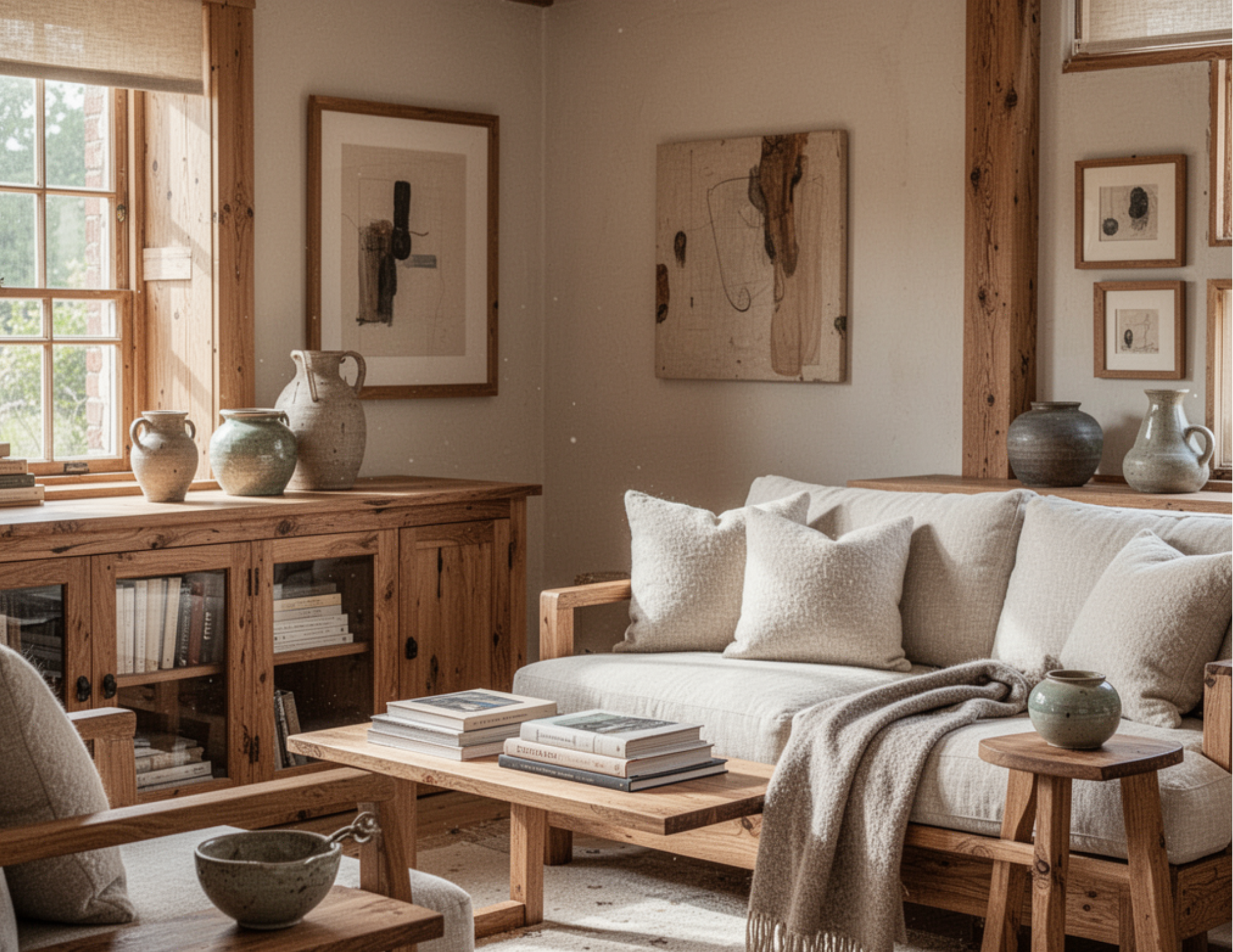
But beneath the surface, the story being told is completely different.
One narrative is rooted in speed and convenience. The other is grounded in patience and permanence. One depends on constant replacement. The other is designed for relationship and repair.
Fast Interiors
Fast interiors prioritize:
Low upfront cost
Rapid production
Trend-driven design
Short life cycles
Convenience over durability
Think:
Furniture designed to last 2–5 years
Particleboard that swells with one spill
Synthetic textiles that pill quickly
Disposable décor swapped each season
These spaces may look beautiful at first. But their story is often one of extraction, mass production, and landfill accumulation. Fast interiors often rely on global supply chains powered by fossil fuels. Materials may contain adhesives, resins, or finishes that off-gas into your indoor air. And when they break? Repair isn’t an option.
Slow Interiors
Slow interiors tell a different story.
They prioritize:
Craftsmanship
Thoughtful sourcing
Durability
Repairability
Emotional longevity
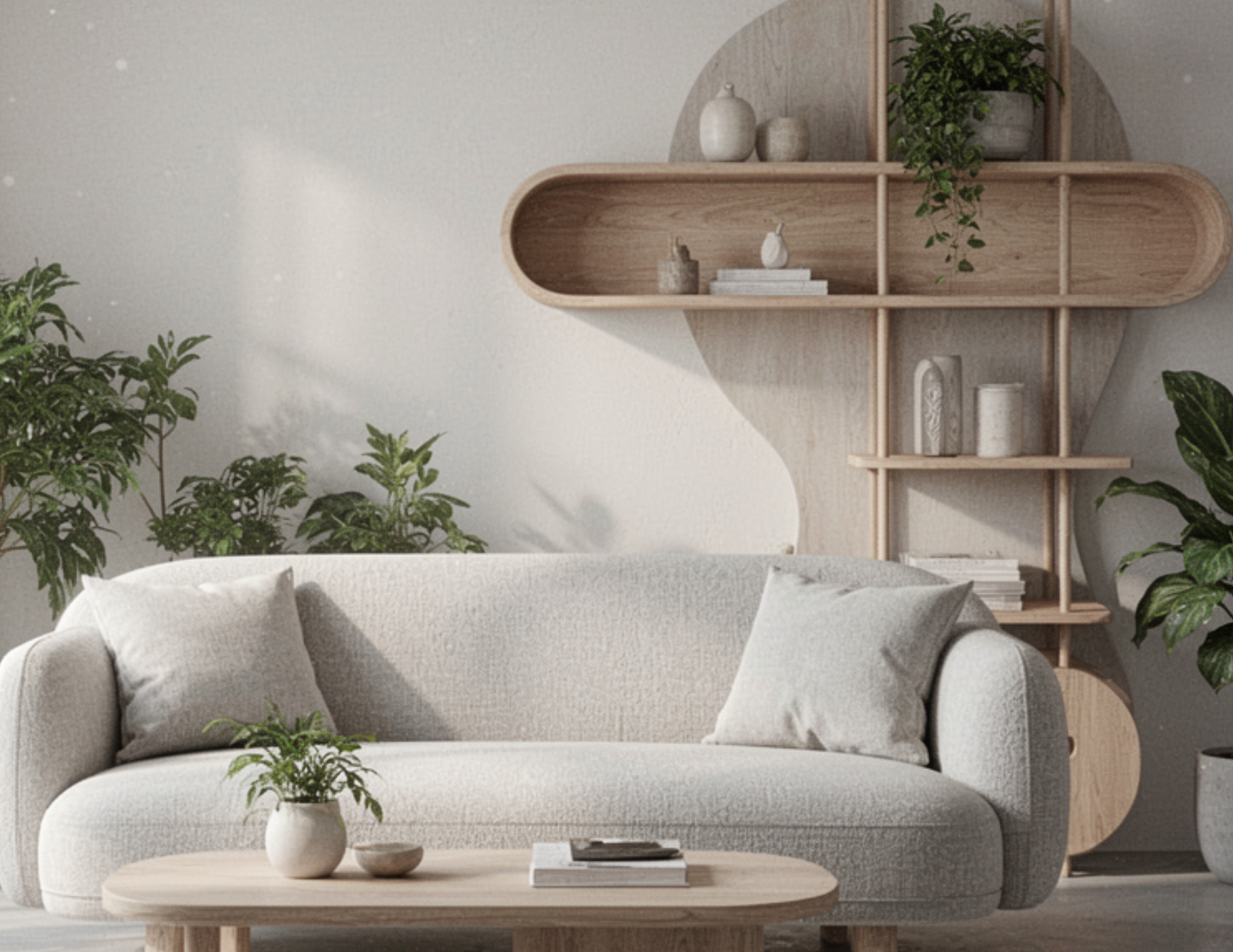
This approach mirrors the slow movement seen in food and fashion — emphasizing quality over quantity and intention over impulse.
Slow interiors consider:
Where materials are sourced
How artisans are treated
What chemicals are used
How long the piece will realistically last
What happens at end-of-life
They are not necessarily more expensive over time — just more intentional. At Go Green Fine Interiors, we often help clients shift from fast cycles to slow investments. Not because it’s trendy. But because it creates homes that feel grounded, layered, and emotionally resonant and sustainable.
Your Space Is a Timeline — Not a Showroom
Your home is not a frozen moment curated for a photograph. It is a living environment shaped by decisions made over months, years, and sometimes generations. Every object carries a history, whether you know it or not. Every surface holds evidence of extraction, labor, transportation, and intention.
You’re stepping into a timeline.
Every item in your home has:
A Past — where it came from
A Present — how it functions in your life
A Future — what will happen to it next
Let’s break that down.
1. The Past: Where Did It Begin?
Ask yourself:
Was this wood harvested responsibly?
Was this rug handwoven or machine-made?
Were the workers paid fairly?
How far did it travel to reach me?
Many conventional furnishings are produced overseas using energy-intensive processes. In contrast, locally crafted furniture often carries a smaller transportation footprint and supports regional economies.
For example, choosing solid hardwood over composite board can significantly reduce long-term waste because it can be refinished instead of replaced.
Your home’s past matters — because it sets the tone for everything that follows.
2. The Present: How Does It Serve You?
Sustainability isn’t just environmental.
It’s functional and emotional.
A sustainable piece should:
Serve your daily life
Withstand wear
Improve indoor air quality
Feel meaningful, not disposable
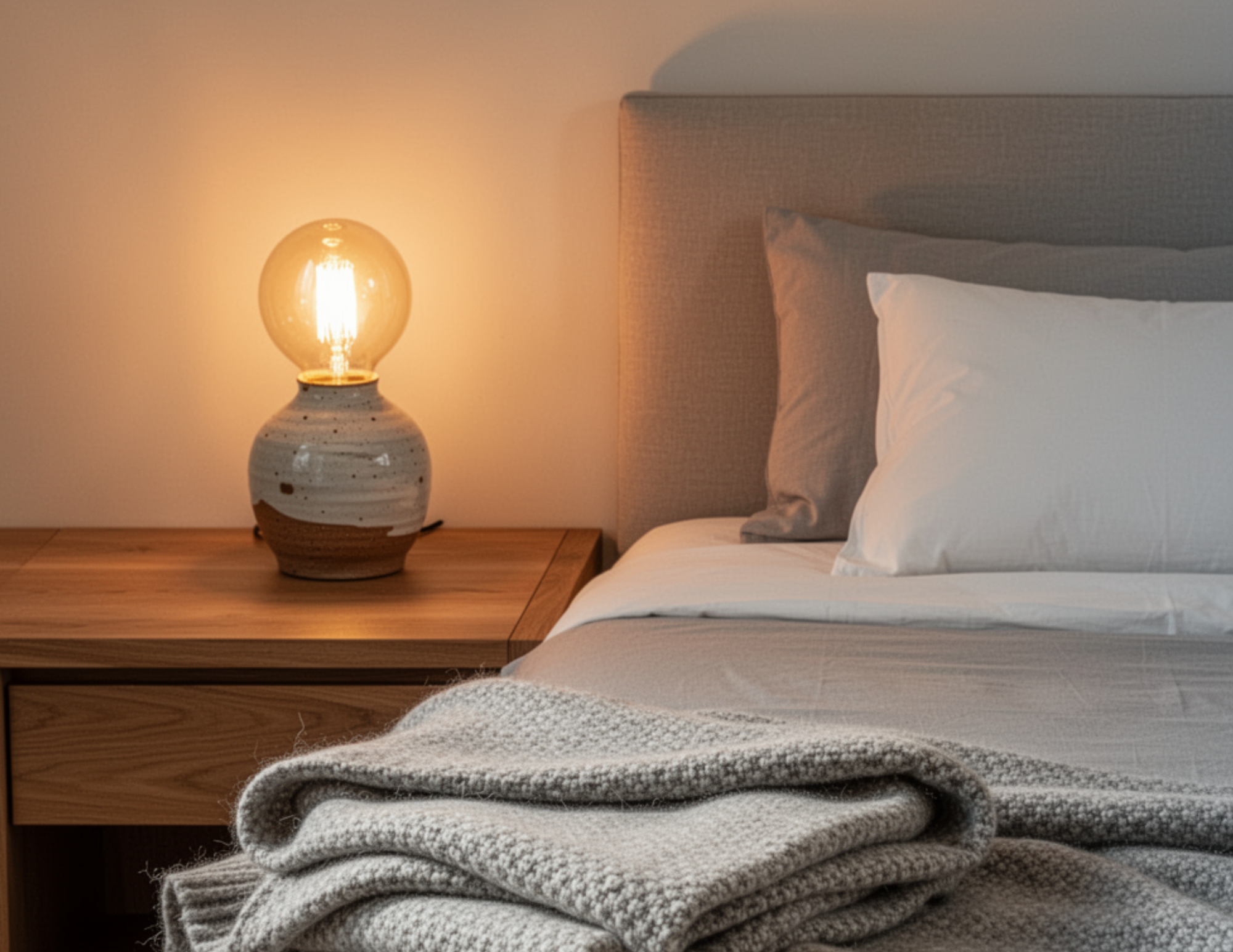
When materials off-gas volatile organic compounds (VOCs), they impact indoor air quality. Organizations like the Environmental Protection Agency have long emphasized the importance of reducing indoor pollutants — especially since we spend most of our time inside.
Sustainability isn’t just about the planet.
It’s about your health.
3. The Future: What Happens Next?
The most overlooked chapter in a home’s carbon story is the ending.
Will this piece:
Be repaired?
Be refinished?
Be donated?
Be resold?
Or sit in a landfill?
According to the Environmental Protection Agency, millions of tons of furniture are discarded annually in the United States alone. When we design with longevity in mind, we interrupt that cycle and we change the ending.
Why Sustainability Feels “Off” When It’s Missing
Have you ever walked into a room that looks beautiful — but feels unsettled?
Often, it’s not just scale or lighting. It’s depth. When sustainability is missing, rooms can feel visually complete but emotionally unfinished. They may follow trends flawlessly, but they lack grounding. They appear styled rather than lived in — curated for the moment rather than built for the long term.
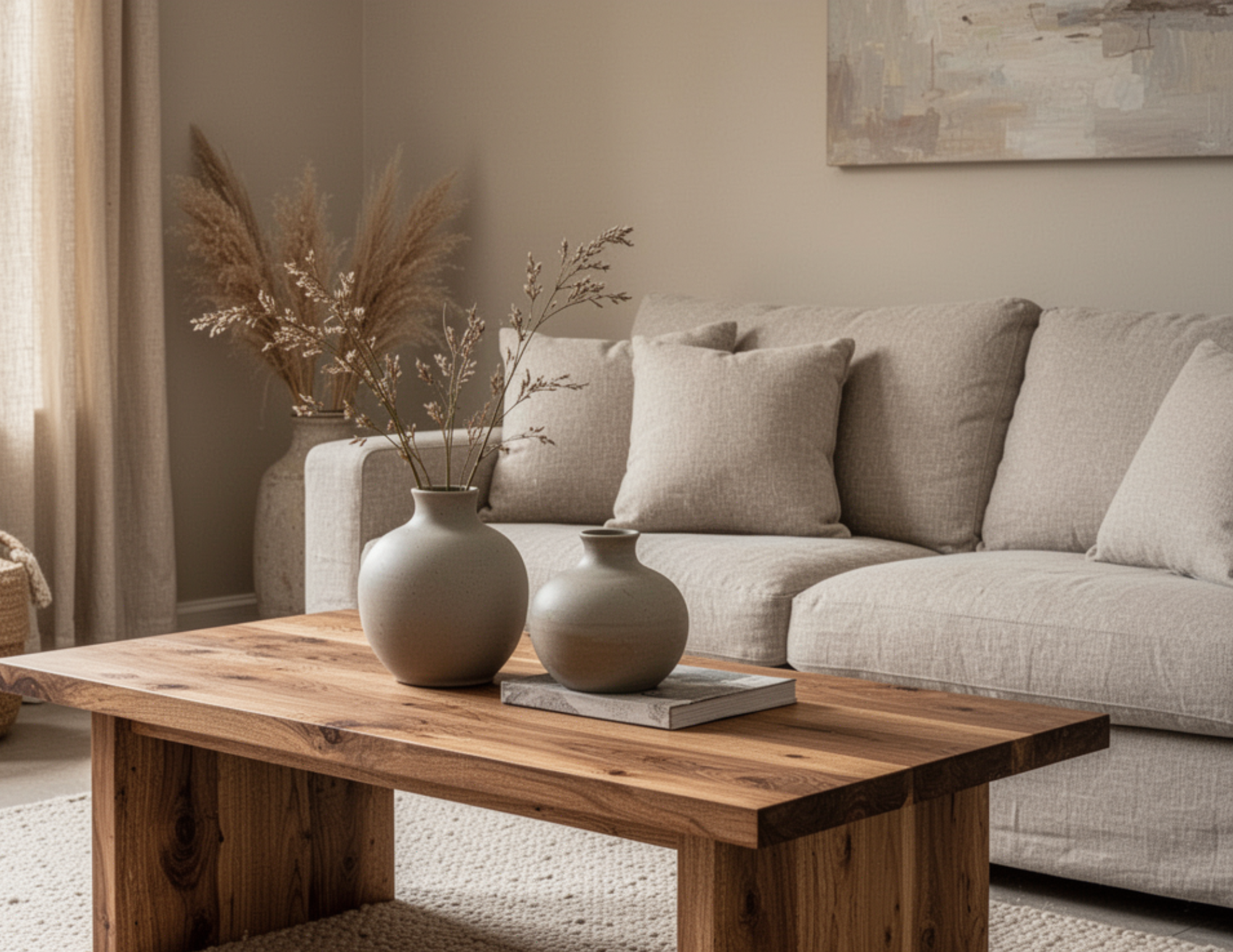
Rooms built on fast interiors can feel:
Temporarily staged
Surface-level
Trend-heavy but rootless
Emotionally disconnected
Slow interiors feel different.
They feel layered, intentional, and grounded because they are built on decisions that consider:
Time
Craft
Impact
Responsibility
And that energy is tangible.
Final Thoughts: Longevity Is the Quietest Form of Sustainability
Your home carries a carbon narrative shaped by every decision you’ve made — and every decision still to come. Even when a space looks complete, styled, or “done,” its story continues unfolding through the materials you choose, the pieces you keep, and the ones you let go.
Fast interiors whisper convenience. Slow interiors speak of care. One is built for replacement; the other is built for relationship. And that difference is felt not just environmentally, but emotionally — in how grounded, layered, and lasting a space feels.
At Go Green Fine Interiors, we believe your home can tell a story of responsibility, beauty, and longevity all at once. You don’t have to change everything overnight. You simply have to start listening — and choose to write the next chapter with intention.e.
✨Ready to Take It to the Next Level?
Let’s work together to make sustainable, beautiful choices for your home.
Want help curating a space that reflects your personality, values, and is good for the environment? Contact us for a custom design consultation.
💬Let us know: What is something new you learned from this blog post?
📩 Contact Go Green Fine Interiors for your next project!
