

Designing Homes That Age Gracefully
In a world where trends move faster than ever and “new” is often mistaken for “better,” designing a home that can stand the test of time is a quiet but powerful act of sustainability. A home that ages gracefully doesn’t resist change—it anticipates it. It evolves alongside the people who live in it, absorbing wear, memories, and meaning without losing its integrity or beauty.
At Go Green Fine Interiors, we believe the most responsible homes are not the ones that chase perfection, but the ones designed with intention, durability, and adaptability from the very beginning.
Designing for graceful aging is about creating spaces that improve with use, remain functional through life’s changes, and reduce the need for constant replacement or renovation. It’s where sustainability, practicality, and beauty meet.
1. What It Really Means for a Home to Age Gracefully
A home that ages gracefully is one that grows richer—not tired—over time. Instead of relying on fragile finishes or trend-driven decisions that quickly feel dated, these homes are designed with materials, layouts, and systems that anticipate wear and change as part of their lifecycle.
Graceful aging in design means choosing elements that can be maintained, repaired, and appreciated long after their initial installation. It also means thinking beyond aesthetics and considering how a space will function five, ten, or even thirty years down the line. From a sustainability standpoint, this approach significantly reduces waste, resource consumption, and the environmental impact associated with frequent renovations.
Rather than asking how long something will look new, graceful design asks a more meaningful question: How will this look and perform after years of real life?
At Go Green Fine Interiors, we’ve been designing with this awareness long before it had a name.
2. Materials That Improve With Time, Not Fight It
The foundation of a gracefully aging home begins with materials that are honest about their nature. Some materials are designed to hide wear until they suddenly fail, while others are meant to show their age in a way that adds depth, warmth, and character. The latter are almost always the more sustainable choice.
Patina, the natural surface change that occurs through use and exposure, is not a flaw—it is a record of life. Materials like solid wood, natural stone, and living metal finishes develop patina instead of breaking down, allowing them to remain beautiful without constant replacement.
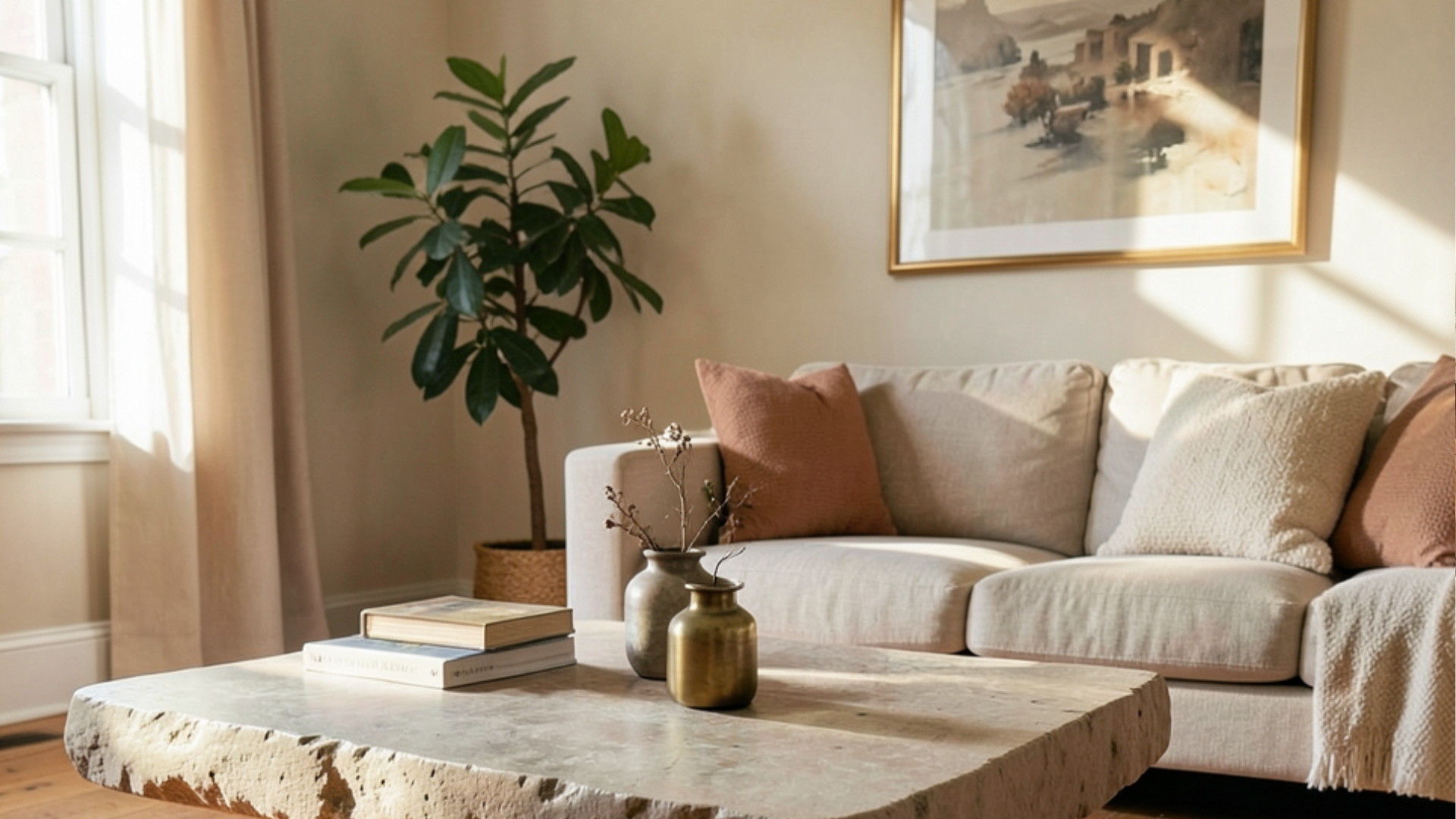
Solid wood can be sanded, refinished, and repaired multiple times over its lifespan, making it far more sustainable than veneers or laminates that must be discarded once damaged.
Natural stone, such as marble, limestone, or slate, gains softness and depth over time while remaining structurally sound for decades.
Unlacquered metals like brass and bronze evolve uniquely based on touch and environment, creating finishes that feel personal rather than mass-produced.
By prioritizing natural materials and finishes that can be refreshed instead of replaced, homeowners reduce waste while creating interiors that feel grounded and timeless.
3. Why Repairability Is More Sustainable Than Perfection
Modern interiors often prioritize flawless surfaces—materials that look pristine on day one but have no margin for error. The problem is that when these materials fail, they usually fail completely, leaving replacement as the only option.
Designing for repairability shifts the focus from avoiding damage to managing it intelligently. When materials and furnishings are designed to be repaired, refinished, or adjusted, their lifespan increases dramatically, and their environmental impact decreases just as significantly.
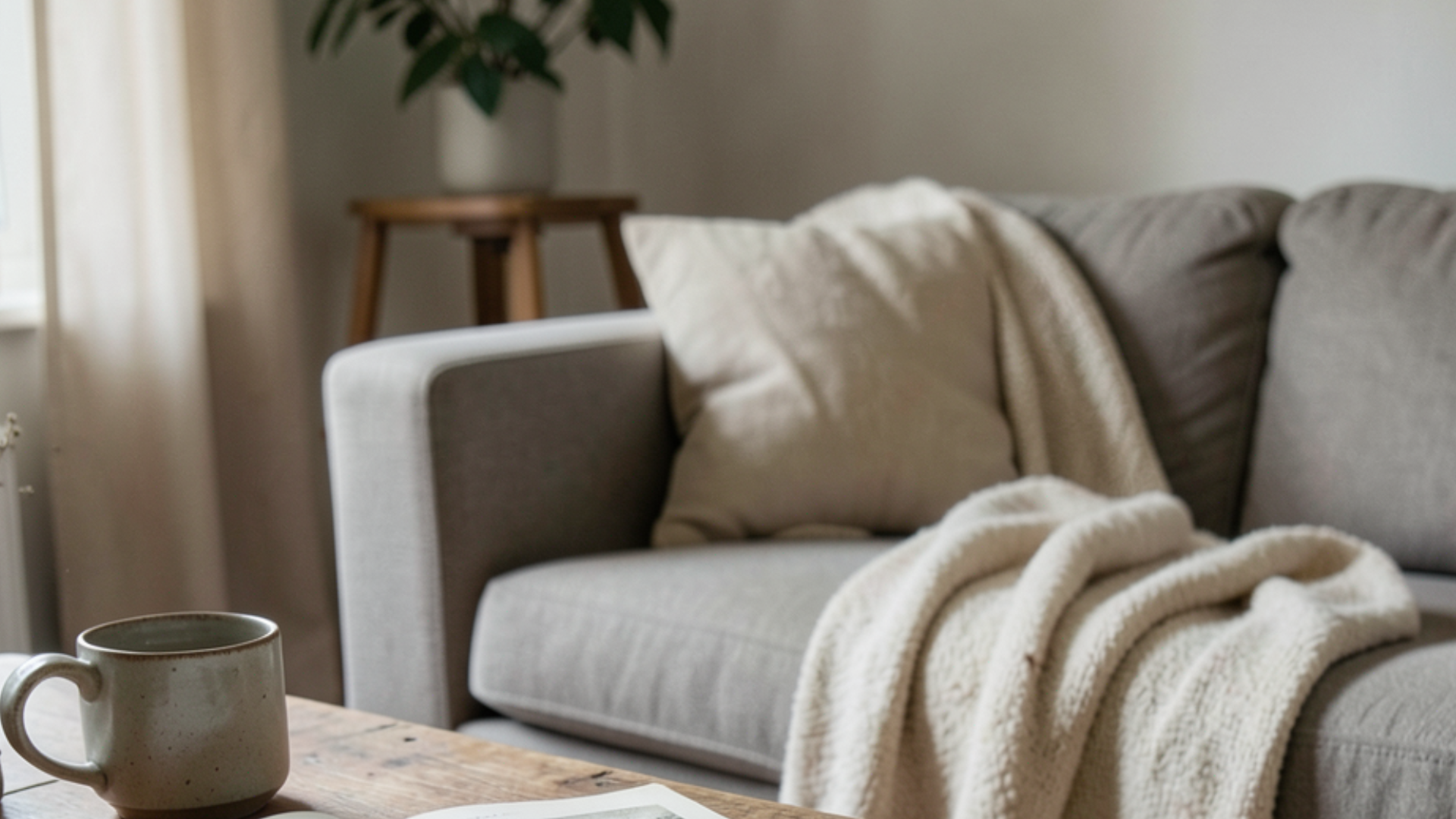
Before selecting any product, we encourage clients to consider:
Can this be repaired without full replacement?
Will damage blend into the material’s natural character?
Does maintenance extend its life or shorten it?
At Go Green Fine Interiors, we intentionally select furnishings, finishes, and systems that support long-term use and maintenance. This philosophy not only aligns with sustainable design principles but also results in homes that feel more relaxed, resilient, and livable over time.
4. When Wear Becomes a Feature, Not a Flaw
Homes are not museums. They are places where life unfolds—where children grow, pets roam, gatherings happen, and daily routines leave subtle marks behind. Designing homes that age gracefully requires a mindset shift: wear should be anticipated and embraced rather than feared.
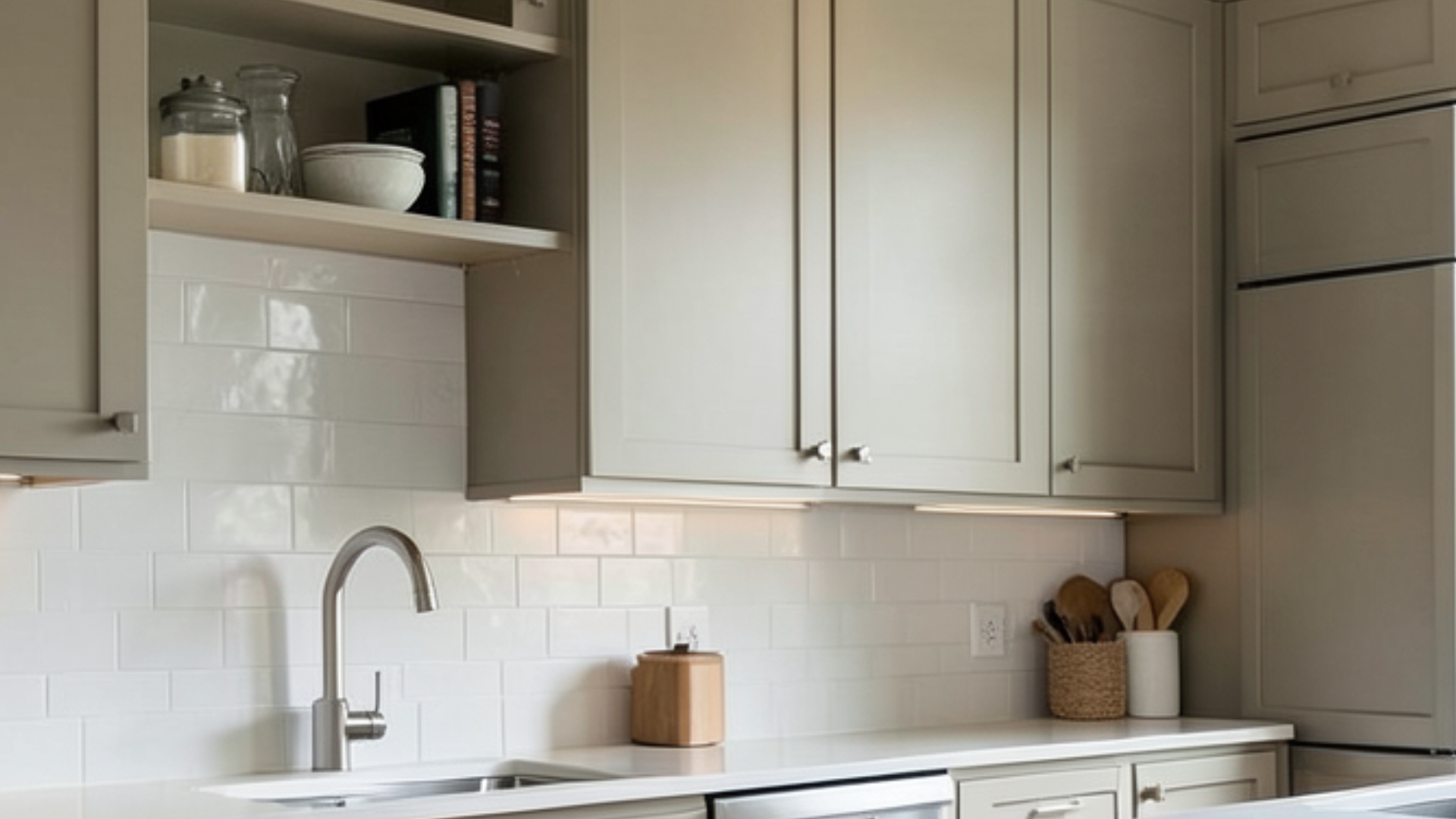
When wear is considered part of the design story, materials are chosen not to hide imperfections but to absorb them gracefully. Wide-plank wood floors disguise scuffs better than glossy surfaces. Textured fabrics soften with use rather than showing every mark. Handcrafted tile and natural finishes introduce variation that makes wear feel intentional instead of accidental.
This approach reduces the pressure to constantly “fix” a space and encourages homeowners to live more comfortably within their homes—an emotional benefit that often leads to greater long-term care and stewardship.
5. Flexible Layouts That Adapt to Changing Lives
A home’s sustainability isn’t determined by materials alone; it’s equally shaped by how well the space can adapt to evolving needs. A layout that works beautifully today but requires major renovation in a few years is inherently less sustainable than one designed with flexibility in mind.
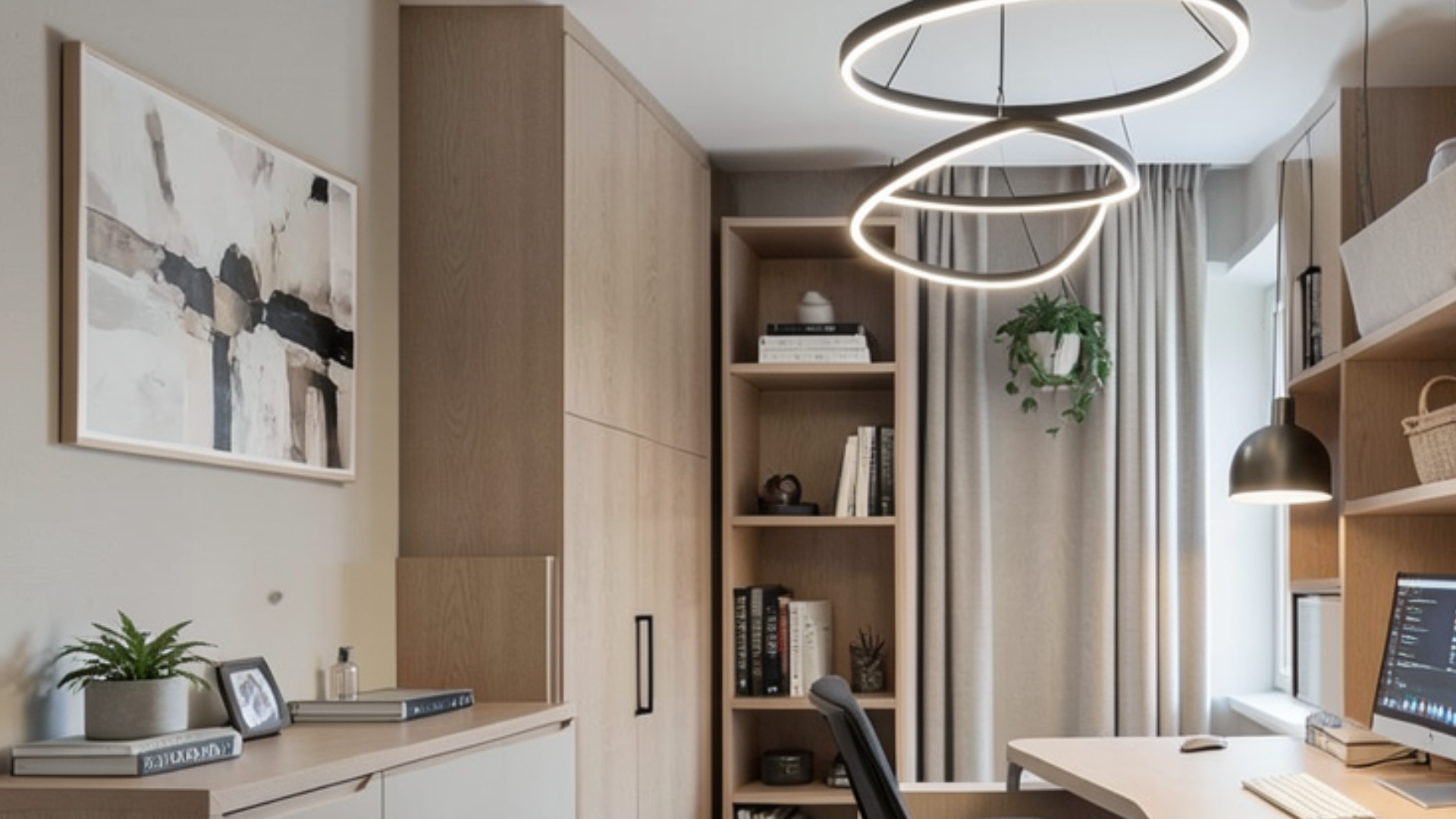
Gracefully aging homes support change. Guest rooms become nurseries. Playrooms turn into offices. Dining spaces double as work zones. Thoughtful layouts allow these transitions to happen without structural overhauls or excessive waste.
Designing for flexibility also means anticipating technological change—integrating adaptable lighting plans, accessible electrical infrastructure, and storage solutions that can evolve as lifestyles shift. When a home is designed to change with its occupants, it stays relevant longer, reducing the need for frequent, resource-intensive updates.
Final Thoughts: Longevity Is the Quietest Form of Sustainability
Designing homes that age gracefully isn’t about resisting change or freezing a space in time. It’s about allowing a home to grow alongside the people who live in it, using materials and layouts that support longevity, adaptability, and emotional connection.
At Go Green Fine Interiors, we see longevity as one of the most impactful sustainability strategies available. A home that remains functional, loved, and cared for over decades is a home that consumes fewer resources, creates less waste, and tells a richer story.
Perhaps most importantly, designing for graceful aging changes the relationship homeowners have with their space. Instead of feeling pressure to constantly update, replace, or perfect their interiors, they feel permission to live fully within them. That shift—from consumption to connection—is where sustainable design truly succeeds, creating homes that don’t just last longer, but matter more over time.
✨Ready to Take It to the Next Level?
Let’s work together to make sustainable, beautiful choices for your home.
Want help curating a space that reflects your personality, values, and is good for the environment? Contact us for a custom design consultation.
💬Let us know: What’s your favorite part of your current home or space?
📩 Contact Go Green Fine Interiors for your next project!
