

Designing Homes That Support You: The Interior Design Shift Shaping 2026
If I had to sum up where interior design is heading into 2026 in one sentence, it would be this:
Homes are no longer being designed to impress—they’re being designed to support.
Support our nervous systems. Support our health. Support the way we actually live, day to day. After years of hyper-trends, fast furniture, and interiors designed primarily for social media, something meaningful is changing. Clients aren’t walking into design conversations asking, “What’s in?” anymore.
They’re asking something far more important:
“Why doesn’t my home feel good?”
That question is shaping the most impactful interior design trends of 2026—and many of them deeply align with the values we’ve always stood for at Go Green Fine Interiors.
This shift isn’t about aesthetics alone. It’s about physiology, psychology, sustainability, and longevity. It’s about creating homes that restore rather than drain.
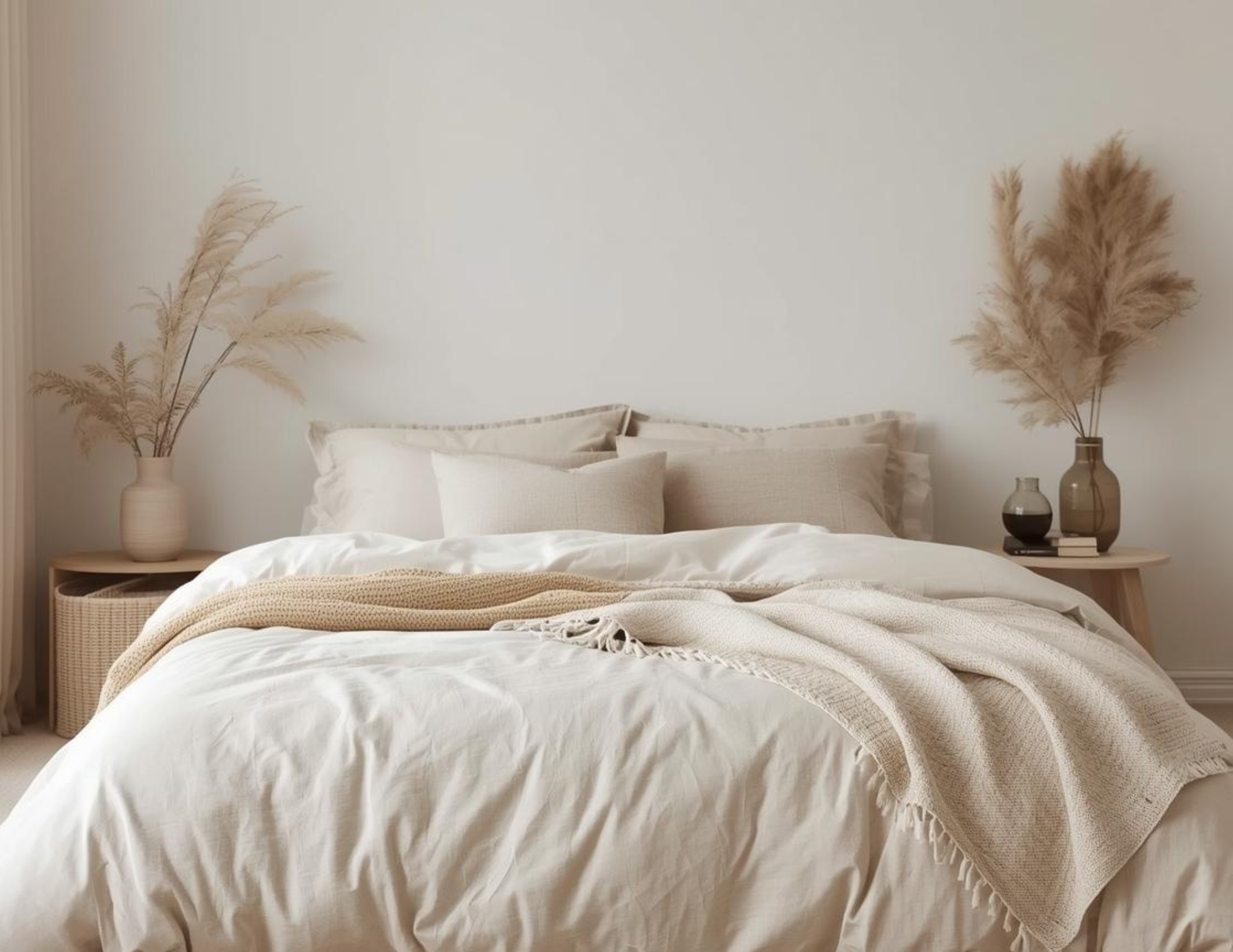
Nervous-System-Aware Design Finally Goes Mainstream
For years, design focused almost exclusively on how spaces looked. In 2026, how spaces feel—in the body and mind—is finally taking center stage.
Nervous-system-aware design acknowledges something we’ve long ignored: our homes directly affect our stress levels, sleep quality, and ability to focus.
More homeowners are recognizing that:
Their home affects how well they sleep
Their home affects how easily they concentrate
Their home affects how regulated or overwhelmed they feel
Design is no longer just visual—it’s physiological.
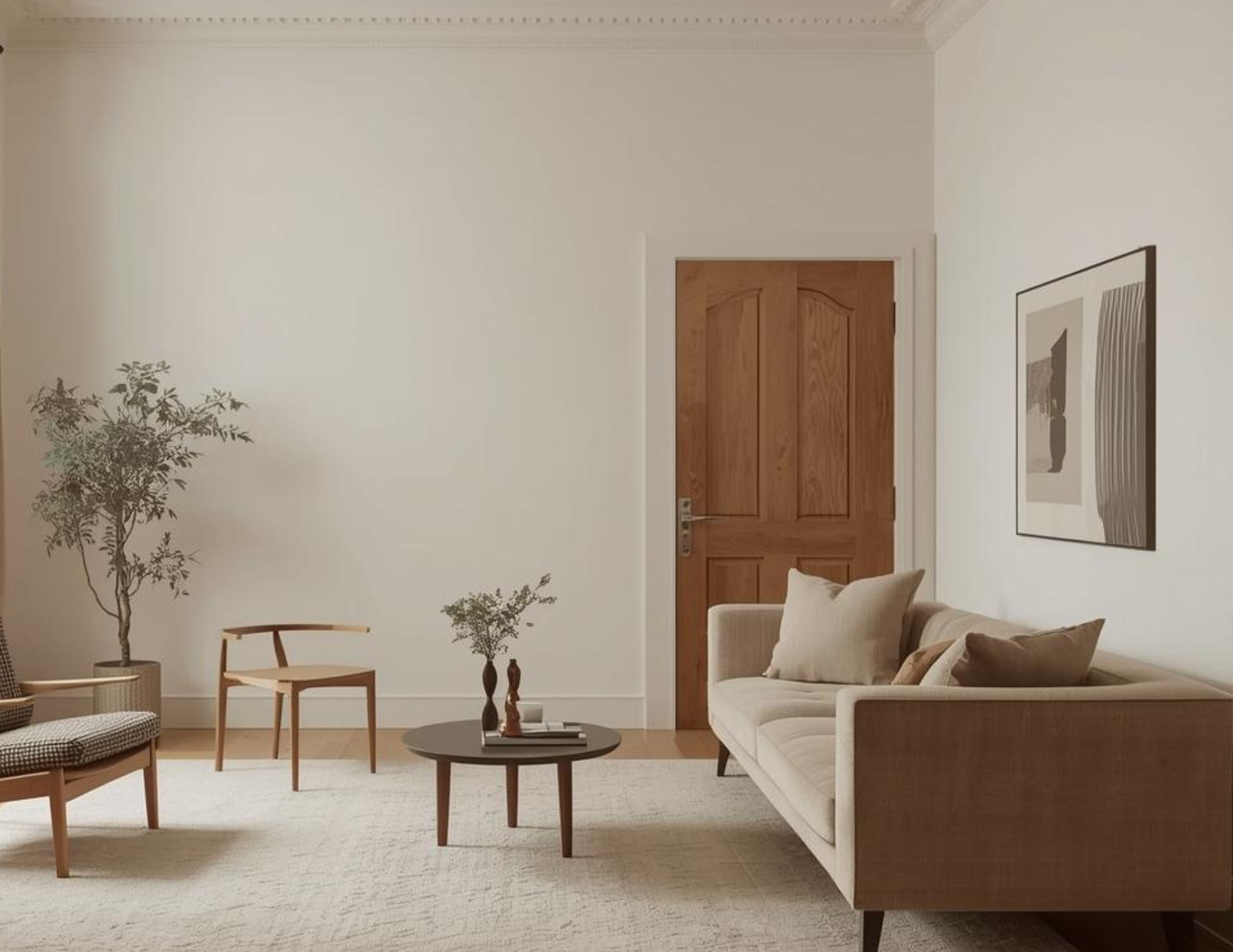
What This Looks Like in Practice
In 2026, we’re seeing:
Softer transitions between rooms
Predictable layouts that reduce mental load
Fewer harsh contrasts and visual interruptions
Layered lighting designed to support circadian rhythms—not just style
This is where neuroaesthetics comes in: the science of how color, texture, proportion, and light impact the brain and nervous system.
This isn’t a trend. It’s research-backed, human-centered design—and it’s becoming an expectation rather than a luxury add-on.
At Go Green Fine Interiors, we’ve been designing with this awareness long before it had a name.
A Move Away from Overstimulating Interiors
For nearly a decade, overstimulation dominated interior design. Bold patterns. Competing colors. Highly styled rooms meant to perform on screens.
In 2026, that approach is quietly losing relevance.
Not because personality is disappearing—but because overstimulation is exhausting.
What We’re Seeing Instead
Homes are shifting toward:
Fewer competing patterns in a single space
More intentional, restrained color palettes
Rooms that feel expressive and calming
This doesn’t mean minimalism for minimalism’s sake. It means thoughtful composition.
Homes are reclaiming their role as places of restoration—not visual performance pieces.
Natural, Honest Materials—Without the “Rustic Costume”
Natural materials have long been associated with sustainability—but their application is evolving.
In 2026, we’re moving away from materials that pretend to be natural:
Faux wood finishes
Printed stone surfaces
Synthetic materials marketed as “organic-looking”
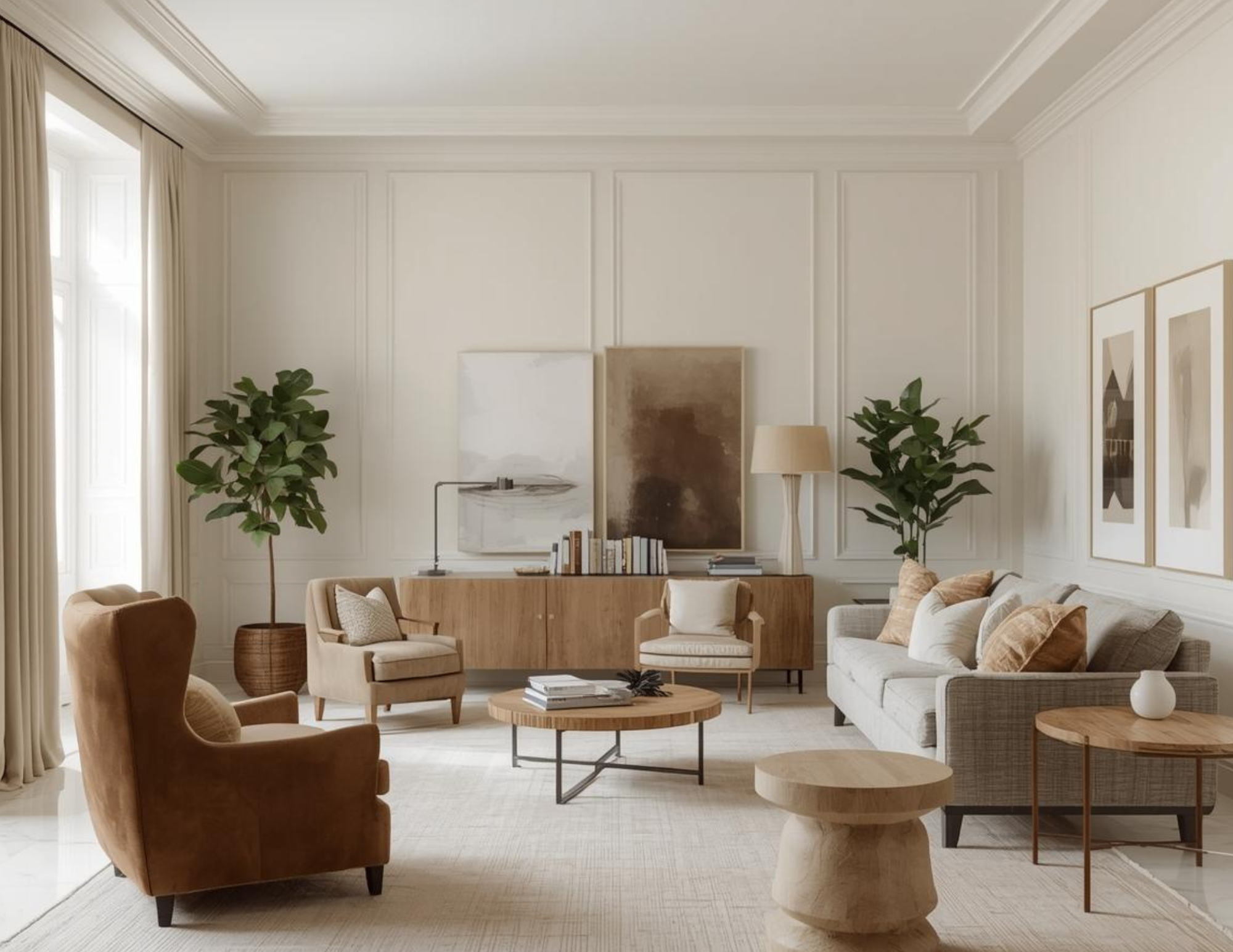
What’s Replacing Them
Homeowners are increasingly choosing:
Real wood with visible grain and variation
Natural stone that isn’t overly polished
Textiles that feel good on the skin—not just the eye
The difference isn’t just material—it’s honesty.
Materials are allowed to look like what they are. Not overly processed. Not overly precious. Just real.
This aligns deeply with sustainable design principles:
Longevity over trend
Repairability over replacement
Quality over quantity
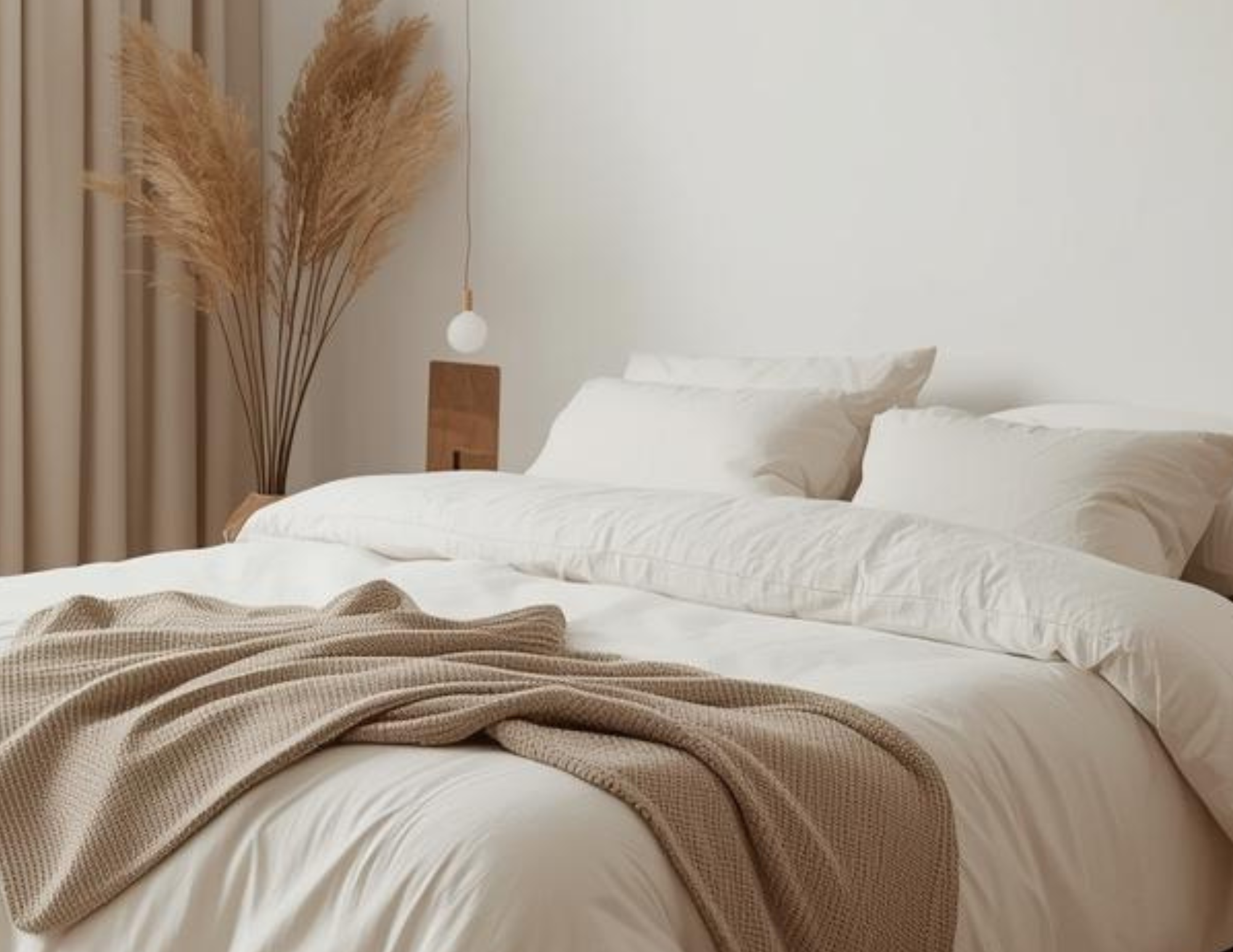
Fewer Pieces, Better Pieces
This shift may make fast-furniture brands uncomfortable—and that’s okay.
In 2026, homeowners are choosing:
Fewer furnishings overall
Greater investment in pieces that last
Furniture designed to move through life stages
The mindset is changing from:
“What fills this room?”
To: “What actually belongs here?”
Well-designed rooms feel lighter—not emptier—because every piece earns its place.
At Go Green Fine Interiors, we help clients assess what they already own before sourcing anything new—often reworking layouts and layering intentionally rather than replacing wholesale.
Wellness Is Becoming a Baseline, Not a Buzzword
Wellness design isn’t new—but in 2026, it’s becoming foundational rather than optional. Instead of relying on gadgets or add-ons, wellness is being designed into the bones of the home.
What That Includes
Low- and no-VOC paints and finishes
Thoughtful furniture scale and spacing
Bedrooms designed for actual rest—not visual drama
Kitchens that support healthy routines instead of cluttered chaos
Homeowners are beginning to understand that wellness isn’t something you layer on later—it’s something you design from the start.
This philosophy sits at the heart of sustainable interior design.
What’s Quietly Falling Away
Not every design shift is about what’s emerging. Some things are gently—and thankfully—being left behind.
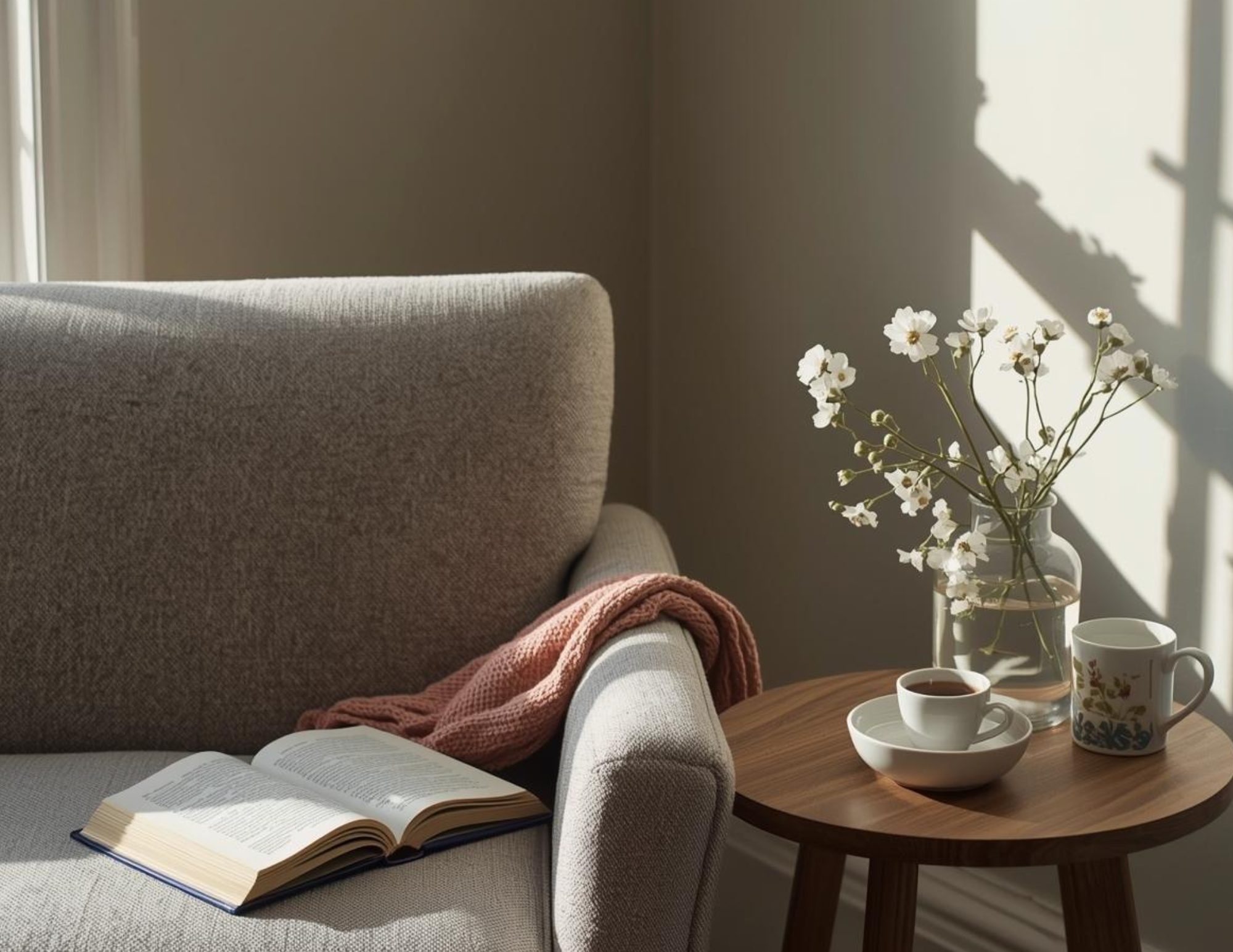
In 2026, we’re seeing less demand for:
Disposable décor chosen for a single season
Rooms styled purely for resale photography
One-look homes that feel impersonal
Overly staged spaces that don’t allow real living
Design is becoming less about perfection—and more about belonging.
Where This Leaves Us in 2026
By the time we reach 2026, it’s clear that interior design is no longer driven by spectacle. The most compelling spaces are quieter, more intentional, and deeply human.
The most compelling interiors of 2026 won’t scream “trend.”
They’ll feel:
Calm
Grounded
Thoughtful
Personal
Supportive
They’ll be homes where people sleep better, focus more easily, and feel more like themselves—because the space is working with them, not against them.
And that, to us, is the most exciting direction interior design has taken in a long time.
How Go Green Fine Interiors Supports This Shift
This is exactly the work we do. Through our in-home services and wellness-focused virtual design offerings, we help clients move beyond trends and create homes that genuinely support how they live.
Our approach centers on:
Sustainable, health-forward materials
Nervous-system-aware layouts and lighting
Furniture chosen for longevity and adaptability
Spaces designed for real life—not performance
Final Thoughts: Designing for Belonging
Interior design is no longer about chasing what’s next. It’s about returning to what matters. Homes that support us—physically, emotionally, and mentally—aren’t indulgent. They’re essential.
As this shift continues, designers and homeowners alike are being asked to slow down, listen, and design with empathy. When we prioritize how a space feels over how it performs, we create homes that truly belong to the people living inside them.
As we move into 2026, sustainable design isn’t just better for the planet. It’s better for the people living inside our homes.
✨Ready to Take It to the Next Level?
Let’s work together to make sustainable, beautiful choices for your home.
Want help curating a space that reflects your personality, values, and is good for the environment? Contact us for a custom design consultation.
💬Let us know: What’s your favorite predicted trend of 2026?
📩 Contact Go Green Fine Interiors for your next project!
