

Redefining What Makes a Home Interesting: The Power of Sustainable Interior Design
What makes a home really interesting?
For too long, the answer has been about bold wallpapers, trendy lighting fixtures, and styled coffee tables designed to impress at first glance.
"Interesting" has meant loud, flashy, and built for Instagram. But sustainable interior design tells a different story. It moves beyond surface-level impact to something much deeper.
At Go Green Fine Interiors in Wilmington, North Carolina, we believe your home should feel meaningful, built to last, and designed with intention.
When you redefine what interesting truly means, you change not only how your space looks, but how it lives, breathes, and endures for decades.
The Old Definition of Interesting Design (And Why It Doesn't Last)
In mainstream interior design culture, "interesting" has always meant novelty. It's about visual shock, statement pieces, and finishes that photograph well. These designs perform beautifully on social media and in design magazines, but there's a hidden cost. They require constant upkeep and frequent replacement. After a few years, they look dated.
Homes designed around trends typically feature high-gloss finishes that scratch easily, mass-produced furniture that deteriorates, bold color palettes that feel dated within months, and heavily styled spaces that demand constant maintenance. This approach is expensive in two ways: financially and environmentally. Every replacement cycle feeds more waste. Every trend shift means starting over. The cycle repeats. Satisfaction fades.
A Fresh Approach: What Does "Interesting" Really Mean in Sustainable Design?
Sustainable interior design redefines interesting completely. Instead of instant visual impact, we think about long-term depth. Instead of asking, "What will ‘wow’ guests today?" we ask, "What will still feel beautiful and relevant ten years from now?"
In sustainable design, interesting means: a space that gains meaning through quality materials, authentic sourcing, intentional choices, and built-to-last durability.
This shift transforms everything. You move away from performative decorating toward spaces with real character. You invest in pieces built to age well. You choose materials that improve with time rather than deteriorate. The result is a home that feels more authentic, more grounded, and genuinely more interesting than anything designed around the latest trend.
Quiet Confidence: Why Interesting Doesn't Have to Be Loud
There's real power in restraint. A thoughtfully designed sustainable interior has quiet confidence. It doesn't scream for attention or rely on shock value. Instead, it invites curiosity through balance, authenticity, and genuine craftsmanship.
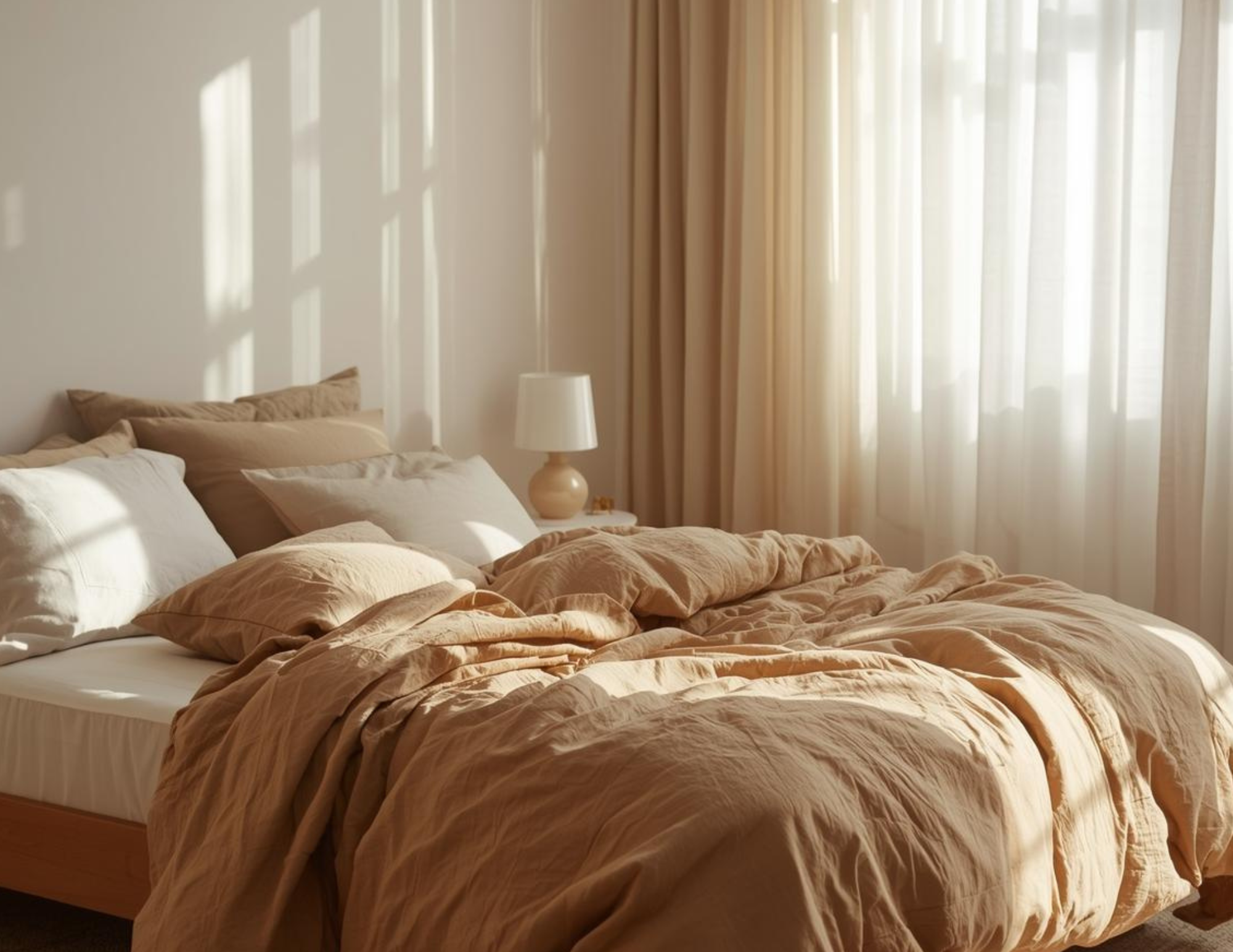
Loud design typically depends on high contrast, trend-heavy statements, and decorative layers that mask lack of substance. Sustainable interiors work differently. They prioritize honest materials, timeless proportions, and finishes that mature gracefully. A honed marble surface that softens over time. A reclaimed wood table marked by its history. Linen curtains that wrinkle naturally in sunlight. These aren't flashy elements, yet they're deeply interesting because they evolve. They tell stories. They improve with use.
Perfection vs. Authenticity: The Patina Principle
Traditional design often treats wear as failure. Scratches, patina, and aging are considered flaws. But this thinking creates exhausting, unsustainable cycles. Homes designed around maintaining perfect finishes demand constant attention. One scratch on polished marble. One ding on high-gloss lacquer. One crack in delicate veneer. The anxiety never stops.
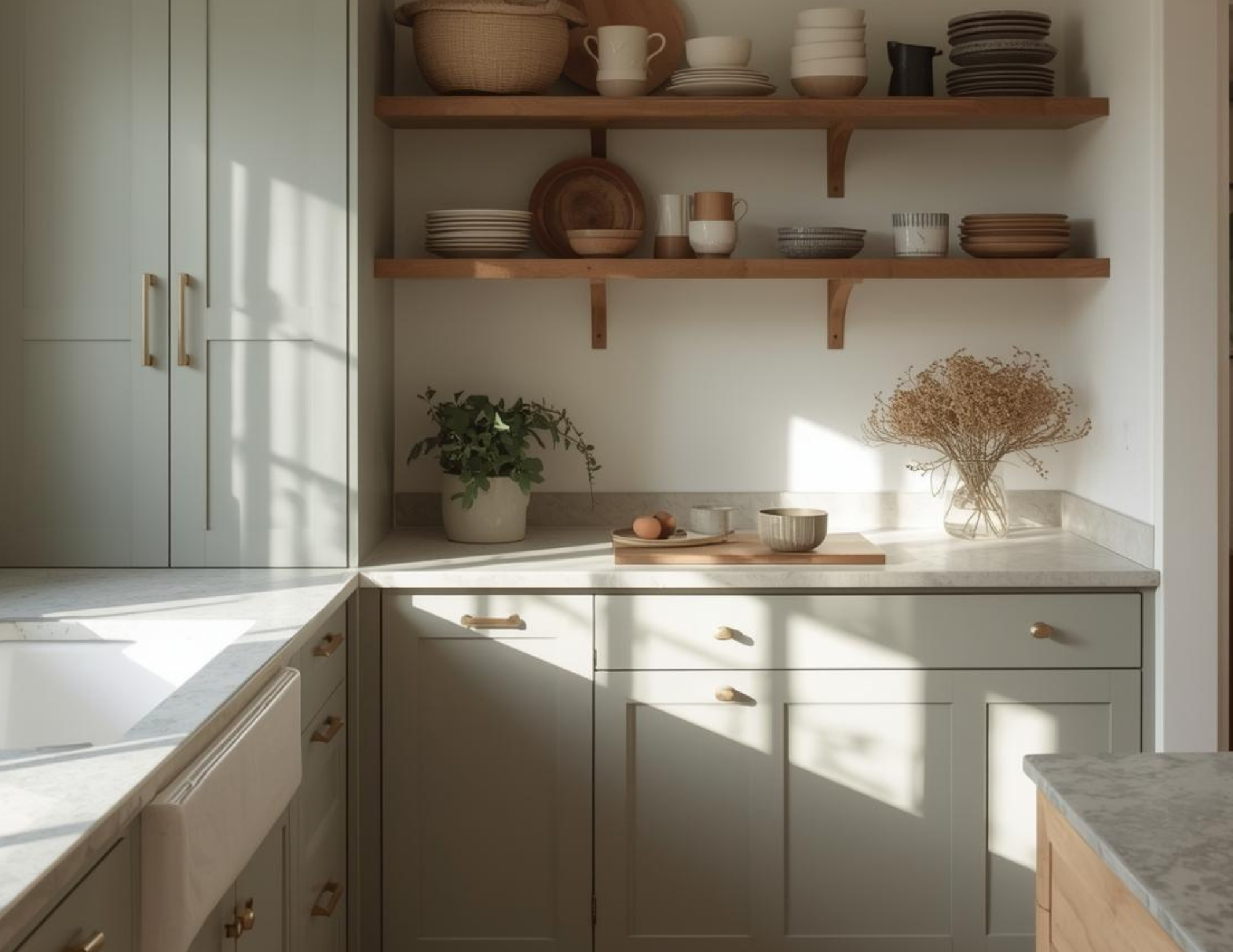
Sustainable design flips this entirely. We don't fight aging. We anticipate it. We choose materials that develop character over time. Natural wood deepens in tone. Brass develops a rich patina. Leather softens and creases. Stone develops subtle markings. These changes aren't deterioration. They're evidence of living. They remove the burden of maintaining perfection and replace it with genuine appreciation for evolution. And evolution, ultimately, is far more interesting than flawlessness.
Beyond Aesthetics: The Story Behind Every Piece
True sustainability begins long before anything enters your home. It starts with sourcing, production methods, and genuine intention. Every piece you choose carries a story. Where was it made? How was it constructed? What materials were used? How many years is it designed to last?
When you approach design this way, your home becomes more than a collection of objects. It becomes a living narrative shaped by decisions that extend far beyond how things look. That awareness alone adds profound depth.
At Go Green Fine Interiors, we examine five critical questions for every piece:
Responsible Sourcing: Are materials ethically harvested?
Ethical Production: Was it made fairly by people compensated properly?
Real Durability: Will it withstand daily life for decades?
Realistic Maintenance: Does it fit your actual lifestyle?
Responsible End of Life: Can it be repaired, reused, or recycled?
This lifecycle approach ensures that sustainability remains central to every decision, not just a performative gesture added at the end.
Spaces That Reveal Themselves Over Time
Some interiors impress immediately and fade quickly. Others grow richer over time, revealing new nuances through changing light, shifting seasons, and daily living. Sustainable interiors belong firmly in that second category.
They're designed with natural light in mind, materials that respond to climate changes, and proportions that feel balanced rather than forced. Their beauty unfolds gradually, offering substance rather than shock value. You may not immediately understand why the space feels grounding. You simply feel it. That subtlety is completely intentional. It's the difference between a space designed to impress and a space designed to sustain your well-being.
Sustainable Interior Design Is Systemic, Not Symbolic
Real sustainability isn't about adding eco-friendly elements to a conventional design. It's not one green product in an otherwise wasteful space. True sustainability is woven into every layer of the design process.
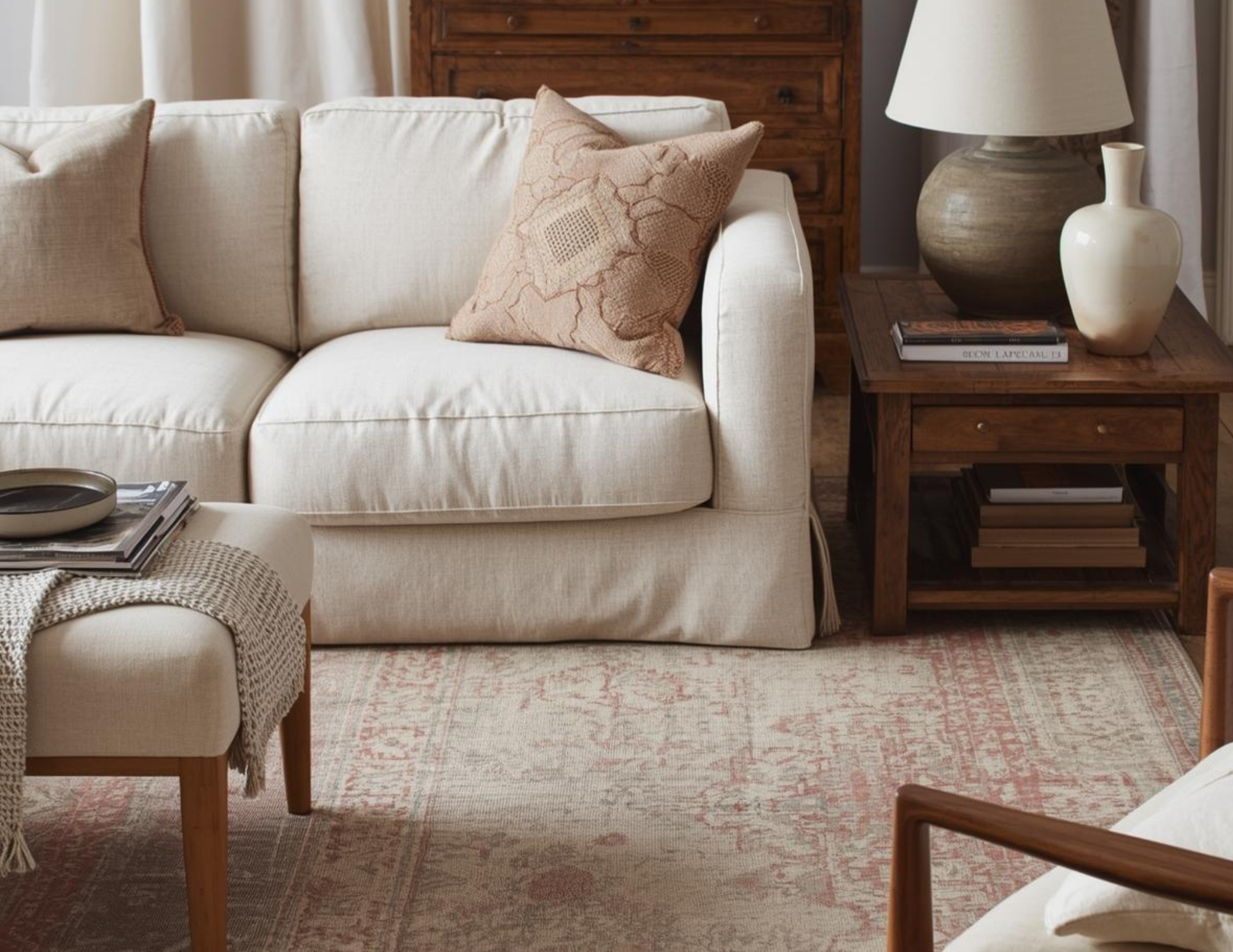
It influences your space planning decisions. It shapes material sourcing. It determines installation methods. It guides long-term maintenance planning. It considers the full lifecycle of every element. This systemic approach means sustainability isn't an afterthought. It's the foundation. And when sustainability becomes foundational, it actually makes you more creative. You find materials with real character. You discover timeless pieces instead of fleeting trends. You create spaces with genuine integrity.
When Your Home Feels Off, It Might Need Depth, Not Volume
If a space feels incomplete, the answer usually isn't to add something louder or more trendy. It's to go deeper. It might need better material choices. It might need more thoughtful proportions. It might need finishes that feel authentic rather than forced. It might just need time to reveal itself.
When you redefine interesting this way, sustainable design stops feeling limiting and becomes genuinely liberating. Your home becomes more than a space to decorate. It becomes a living expression of your values, built with integrity and designed to sustain both your well-being and the environment.
Final Thoughts: Moving Toward Meaningful Design
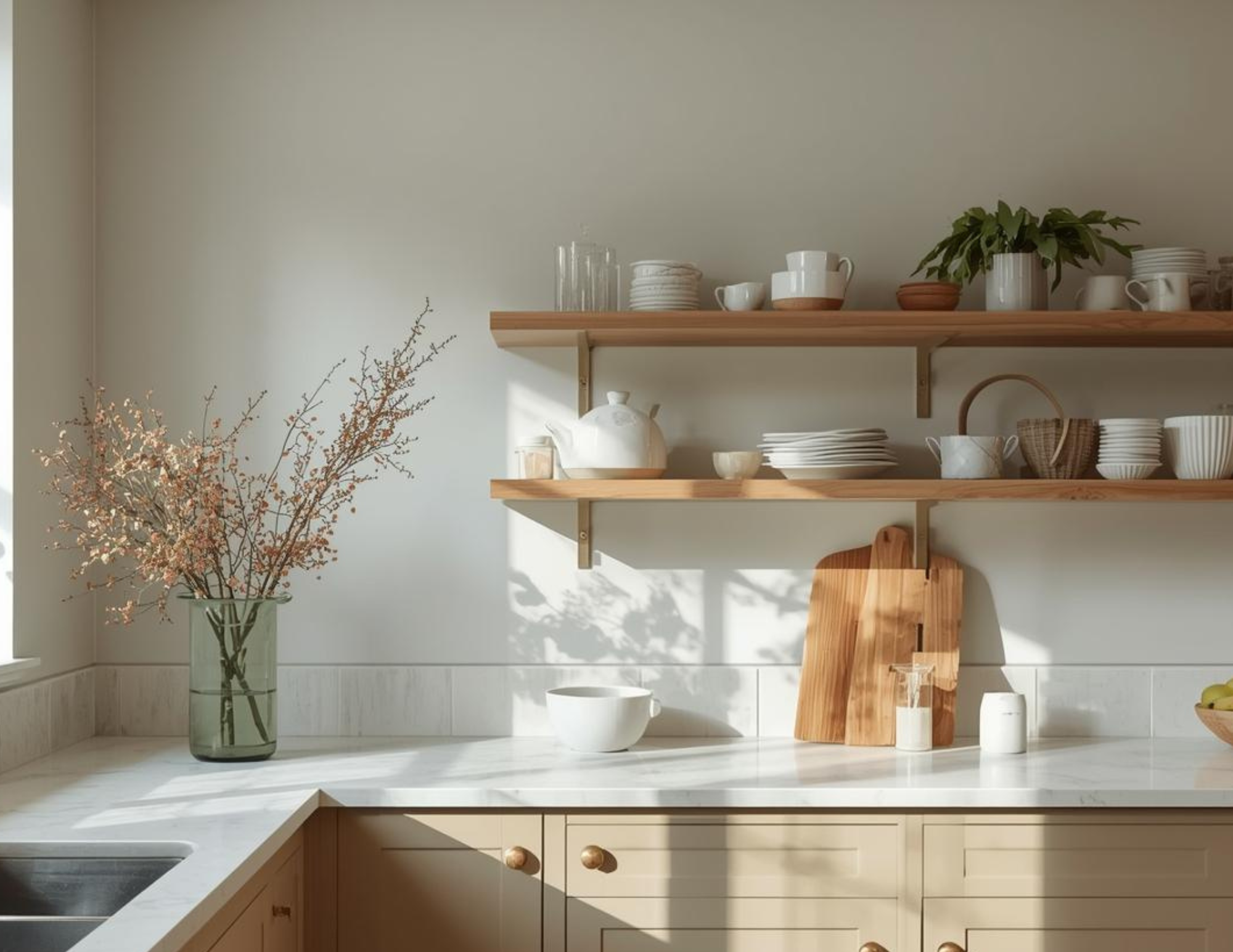
The definition of interesting is changing. It's moving away from novelty and toward authenticity. Away from perfect finishes and toward living surfaces. Away from trend-driven choices and toward timeless decisions. This shift isn't a limitation on design. It's an enormous creative opportunity.
When you stop designing for momentary impact and start designing for lasting meaning, everything gets better. Your spaces feel more grounded. Your choices feel more intentional. And your home actually becomes more interesting because it has depth, authenticity, and real story to tell.
At Go Green Fine Interiors, we guide clients through this comprehensive approach. From initial planning to material sourcing to installation and ongoing maintenance. We treat sustainability as foundational. And we've learned that spaces built on that foundation are not only better for the environment. They're genuinely better for you.
Ready to create a home that reflects who you really are? Let's talk about designing a space with real integrity.
Contact Go Green Fine Interiors in Wilmington, NC for your custom design consultation. Let's build something that lasts.
Phone: 910-214-4301 | Website: www.gogreenfineinteriors.com
